Available for remote AI/ML engineering rolesSkopje, North Macedonia

Andrej Angelovski · AI and software engineer

AI systems that hold up when the stakes are real.

I design and ship applied AI for operators, clinicians and researchers: retrieval that cites its sources, LLM pipelines that verify before they act, and operational tools with an audit trail. Two products live. Thirty-one systems with real screens.

Applied AIProduct engineeringKnowledge systemsPhysical and clinical workflows
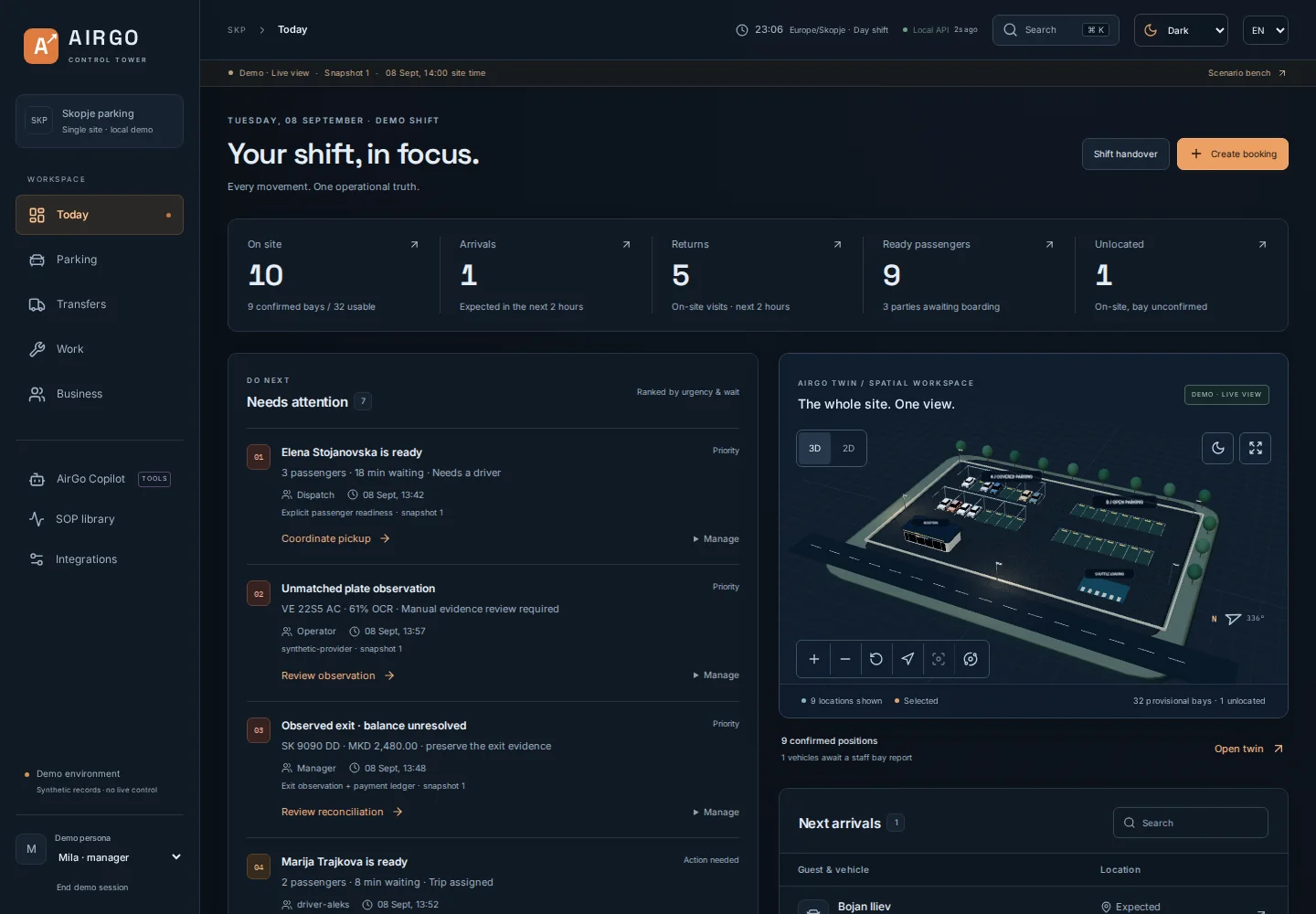
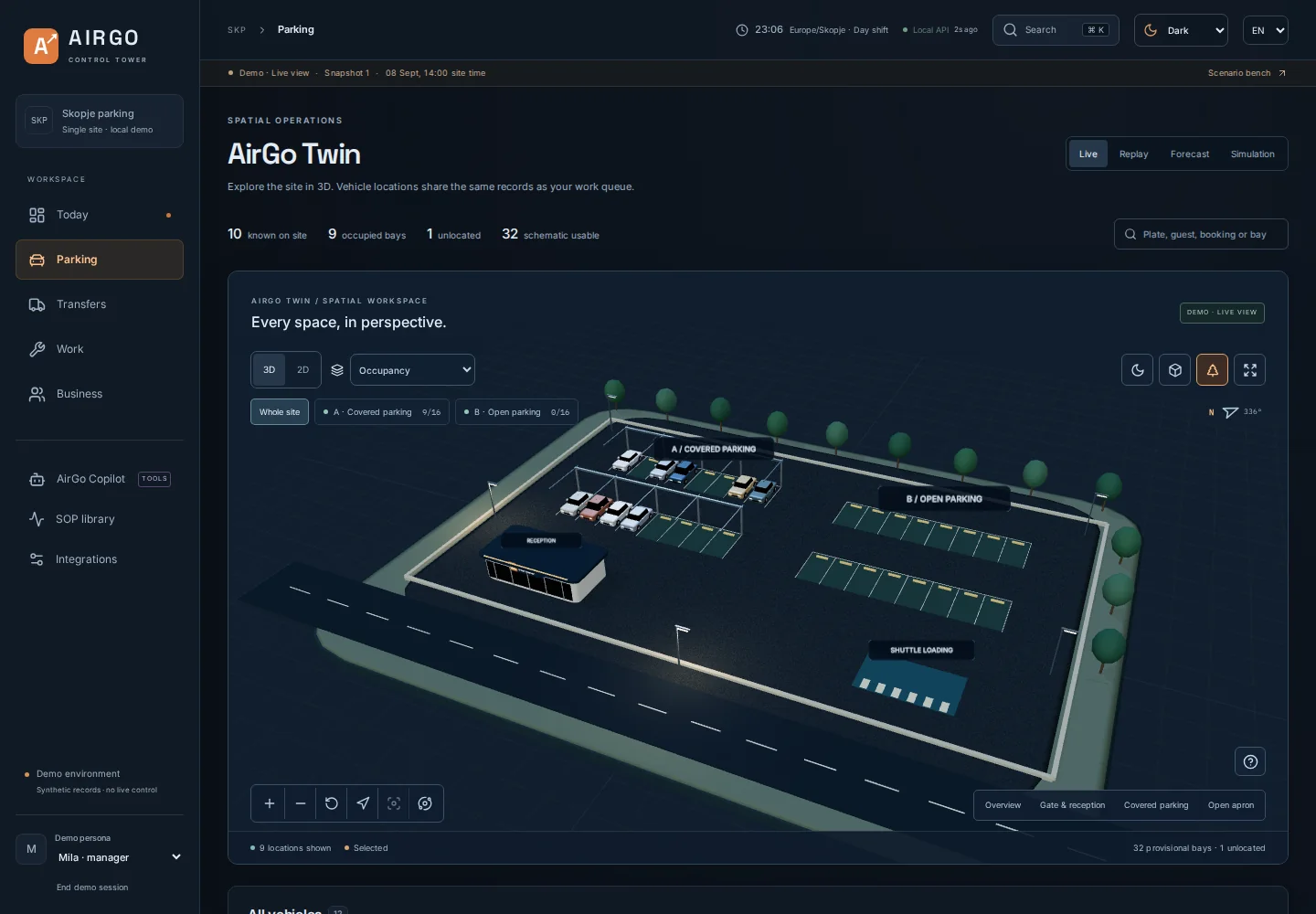
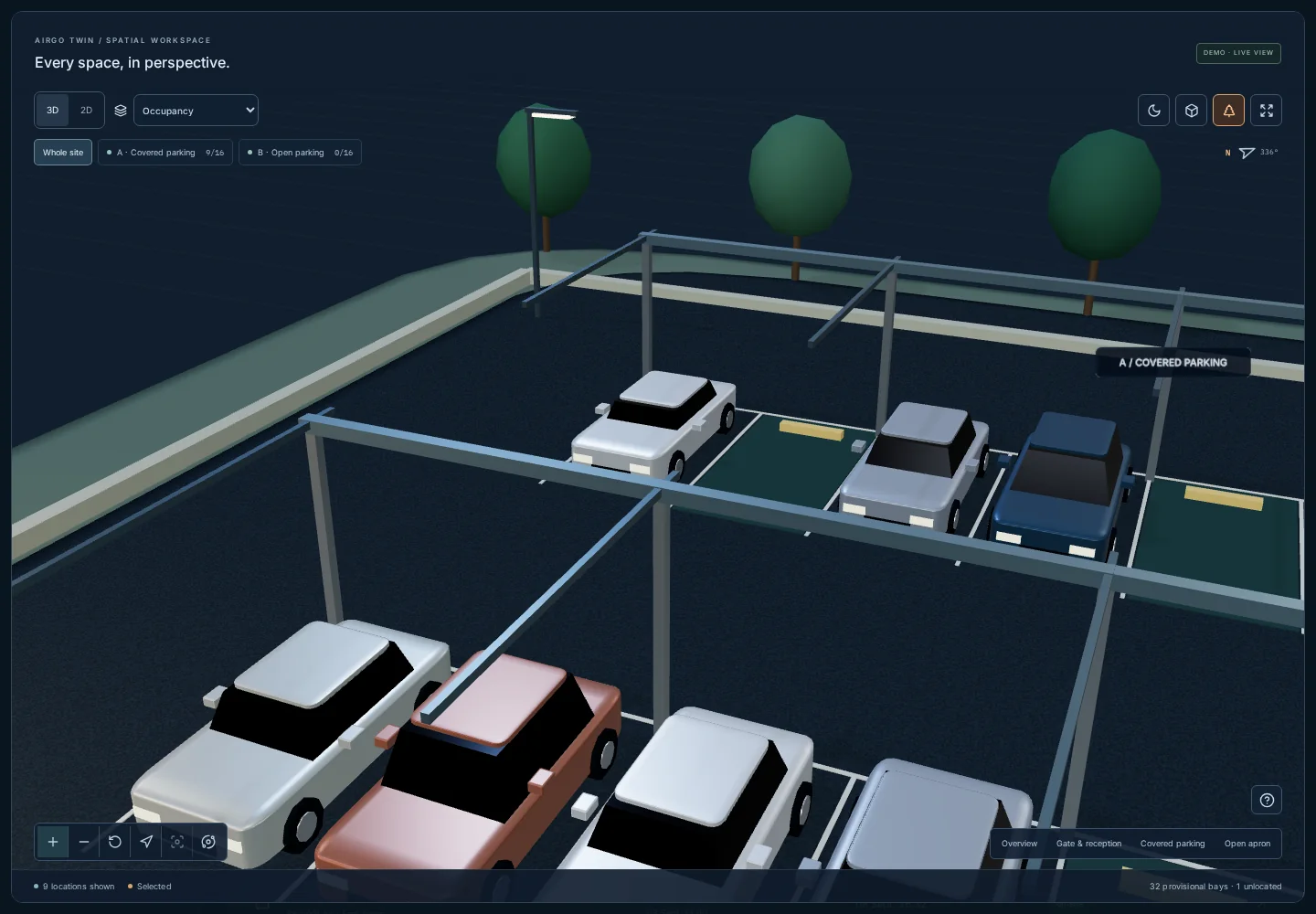
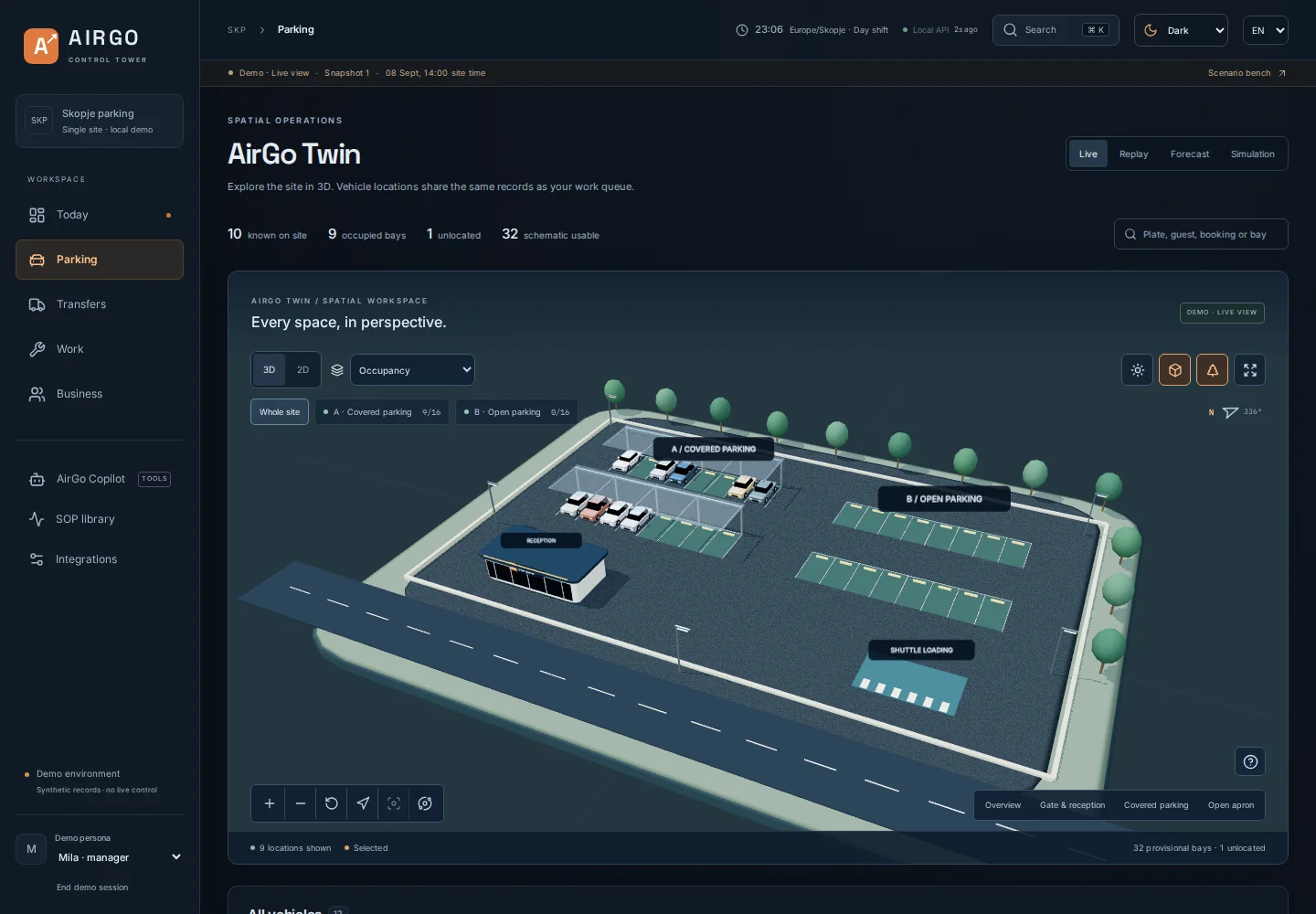
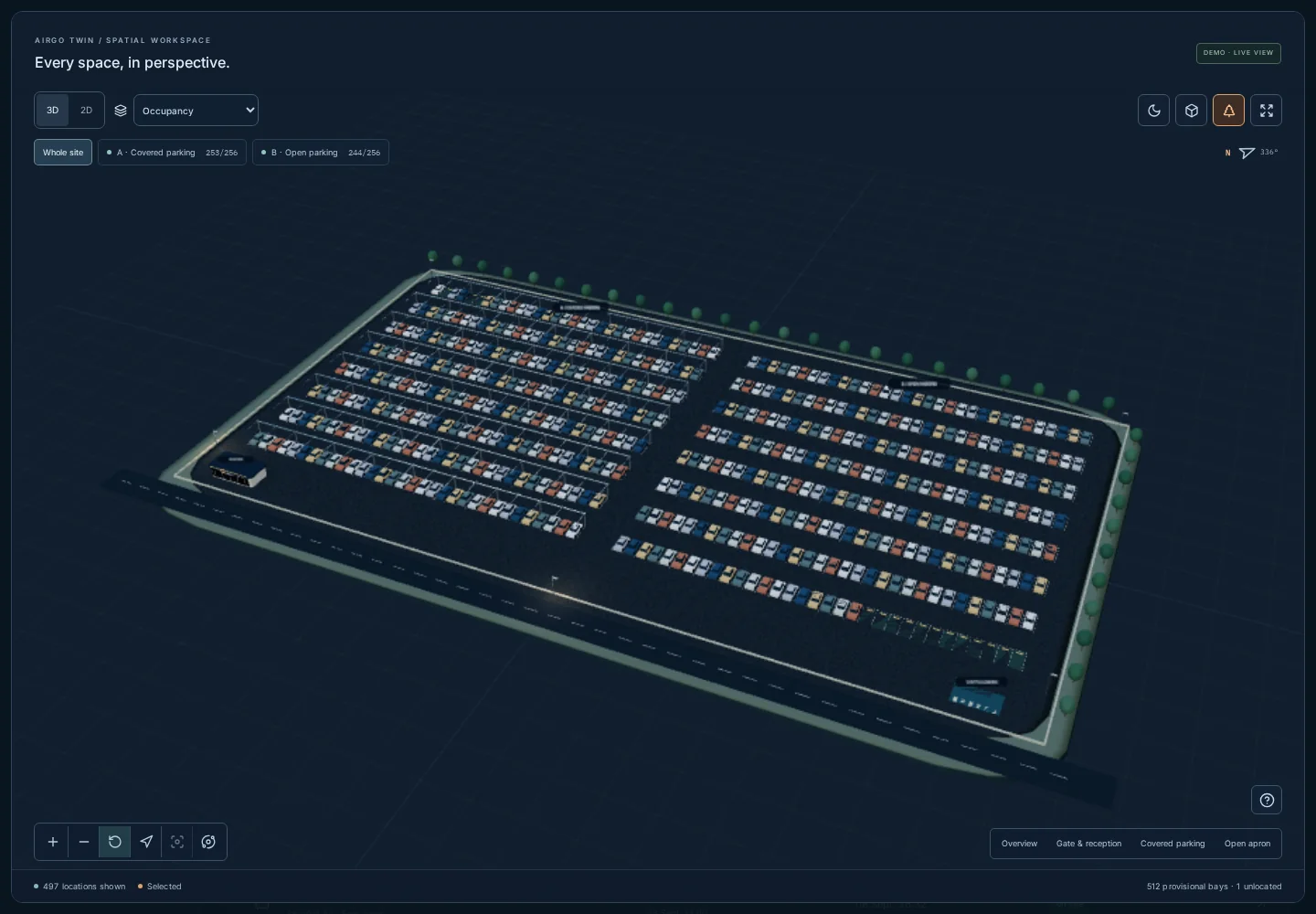
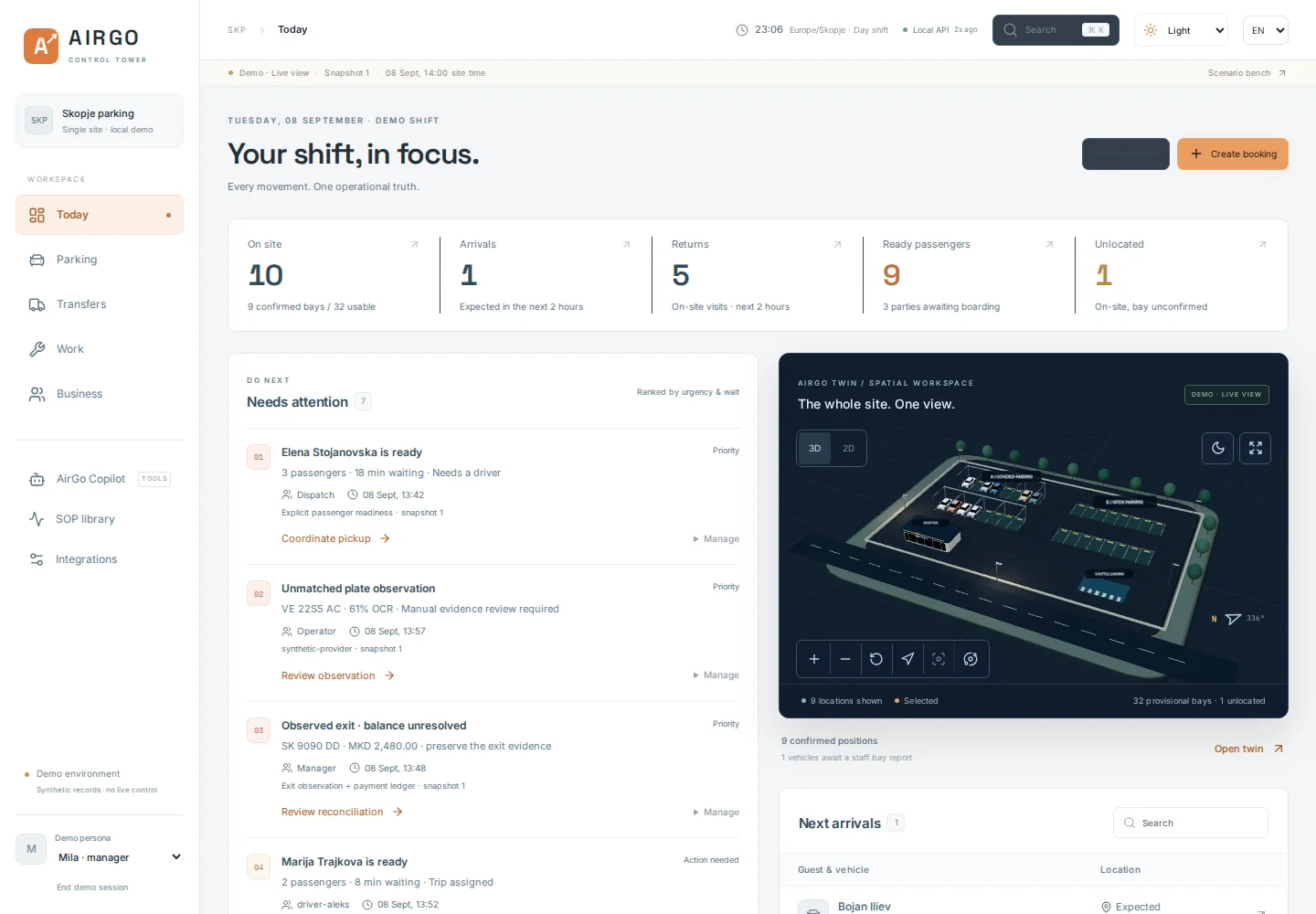
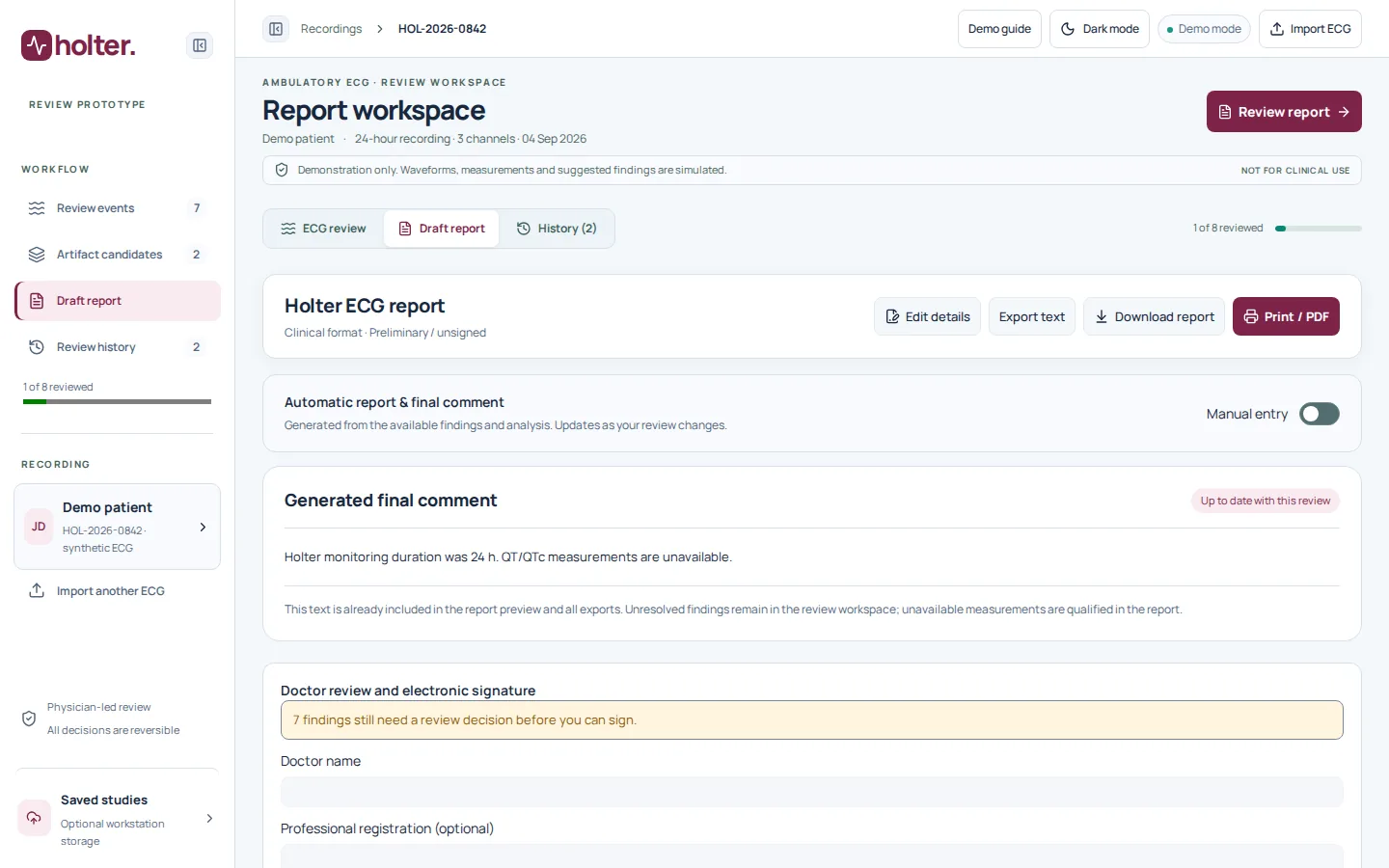
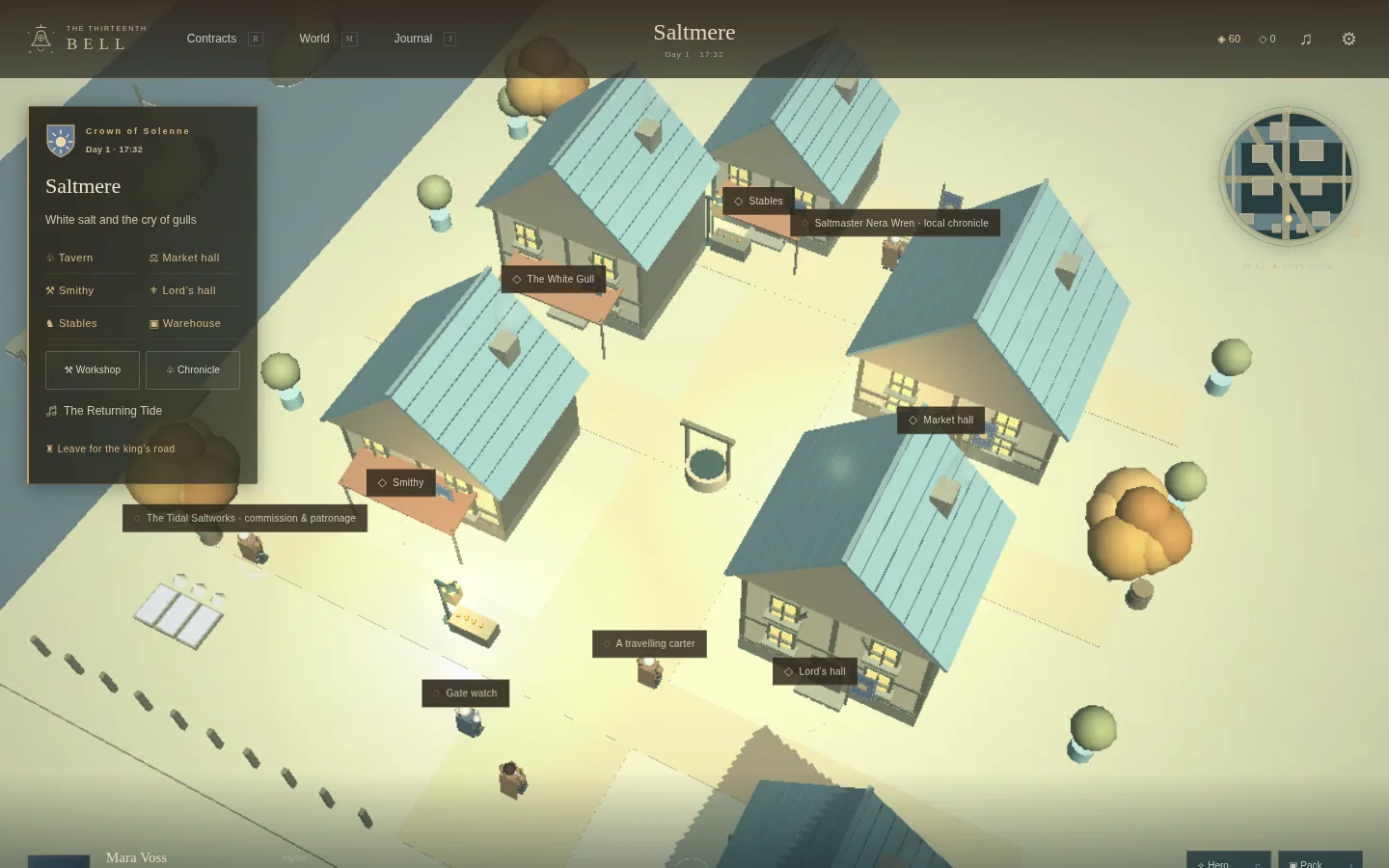
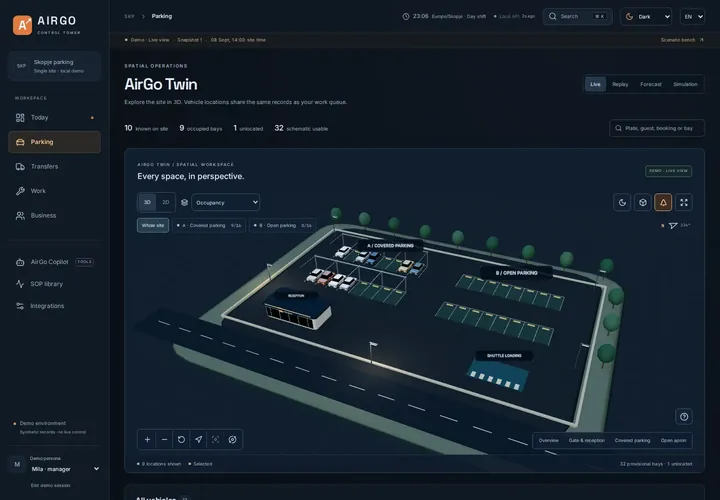
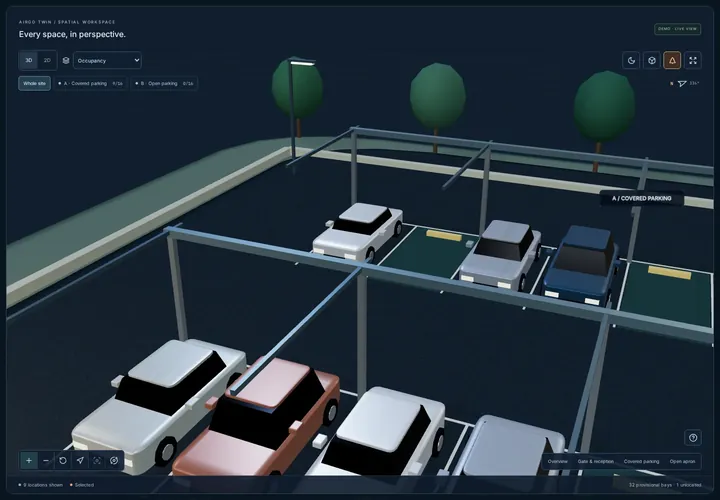
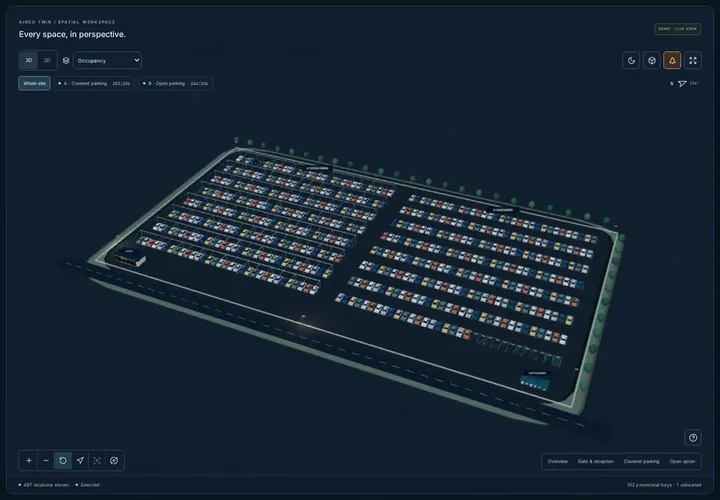
AirGo Twin: a 3D digital twin of an airport parking lot at night inside the control tower prototypeAirGo Control Tower
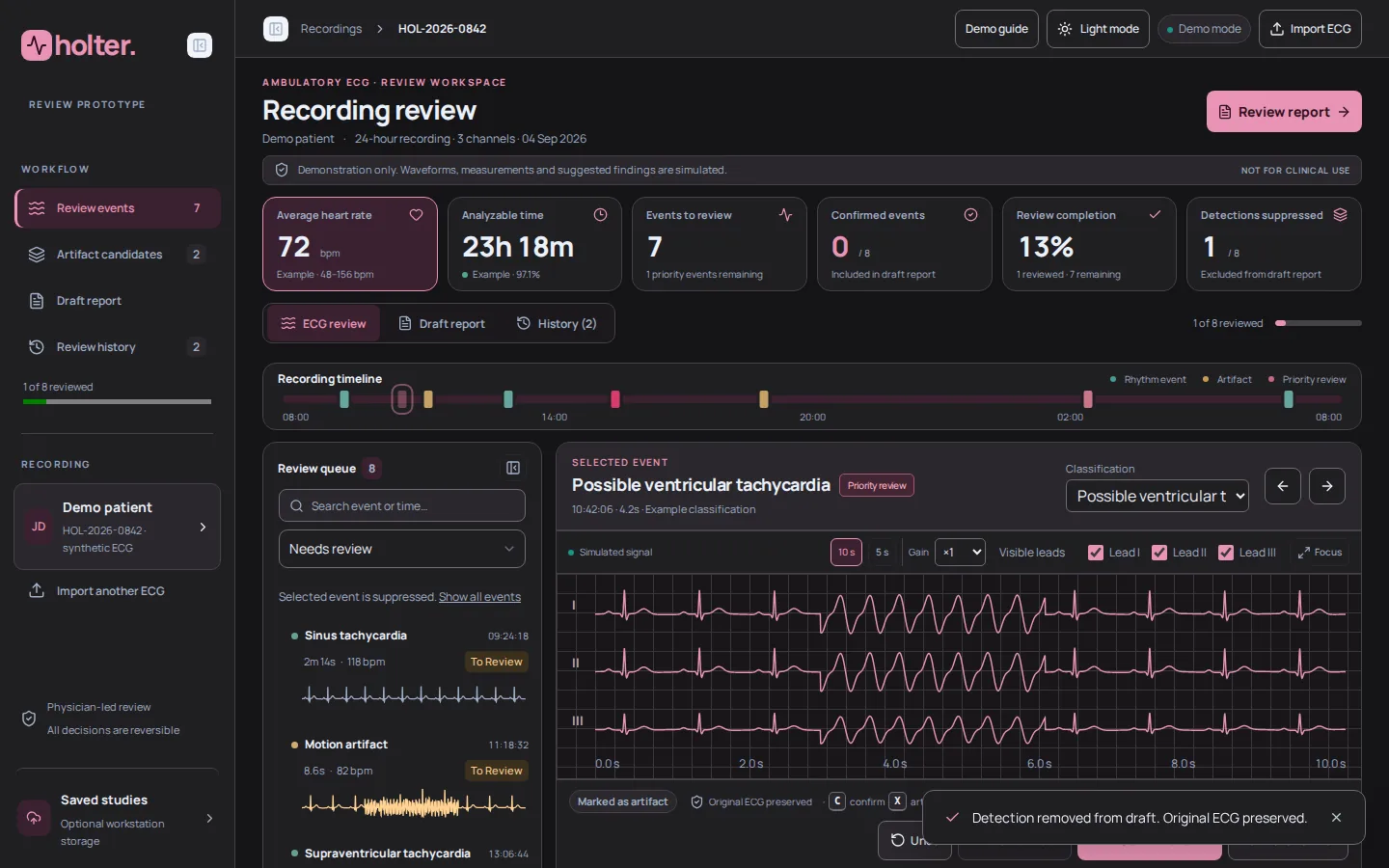
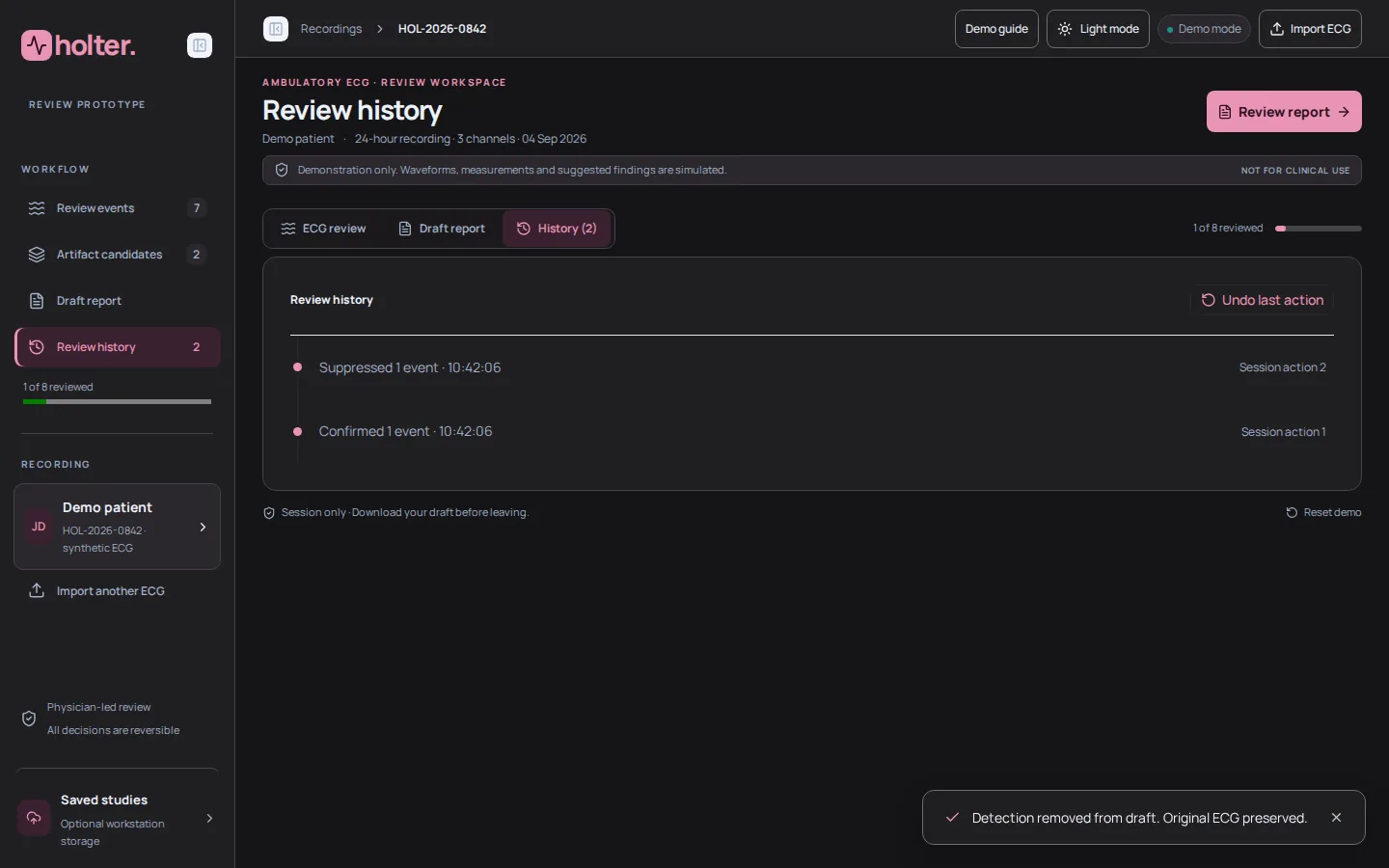
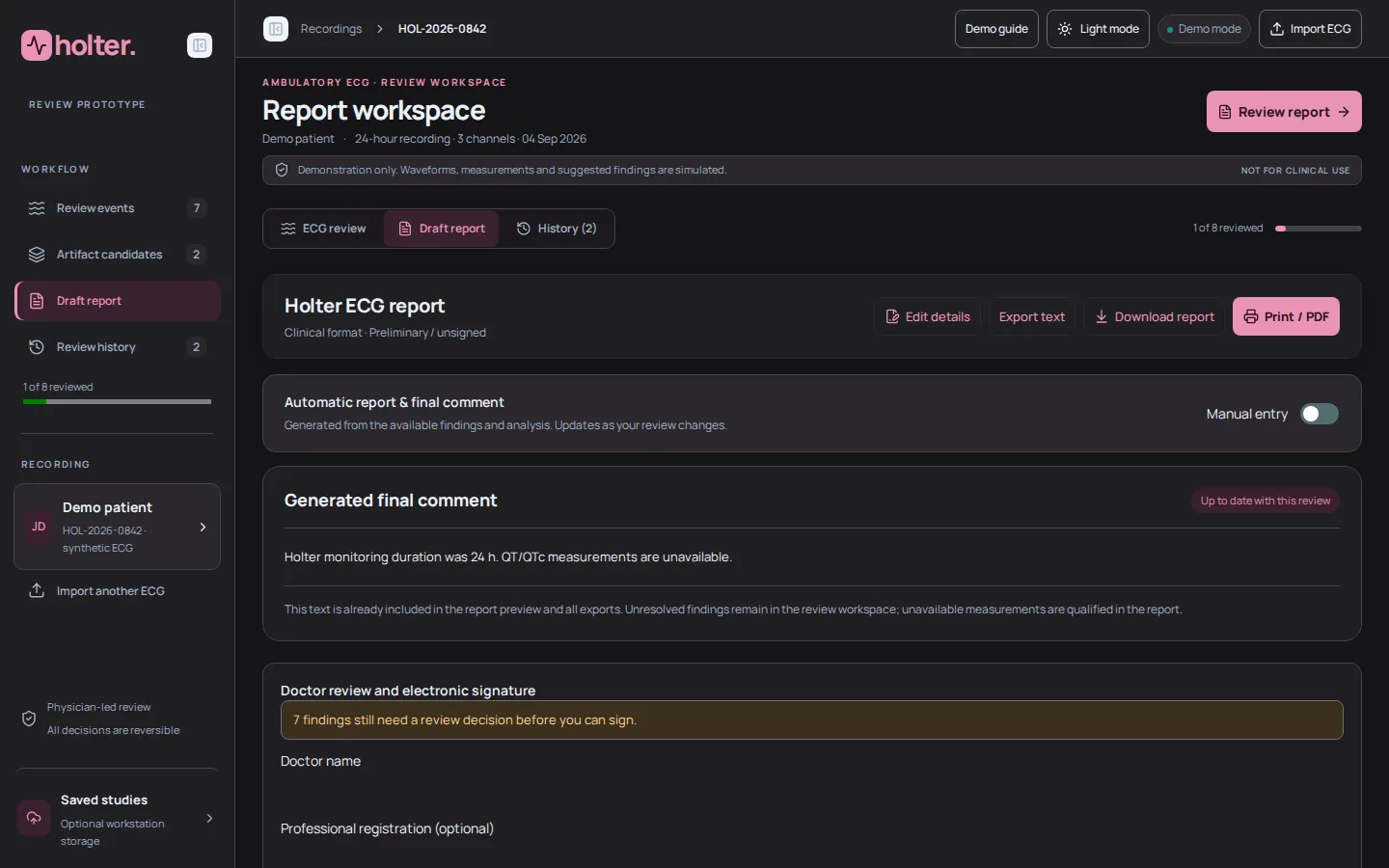
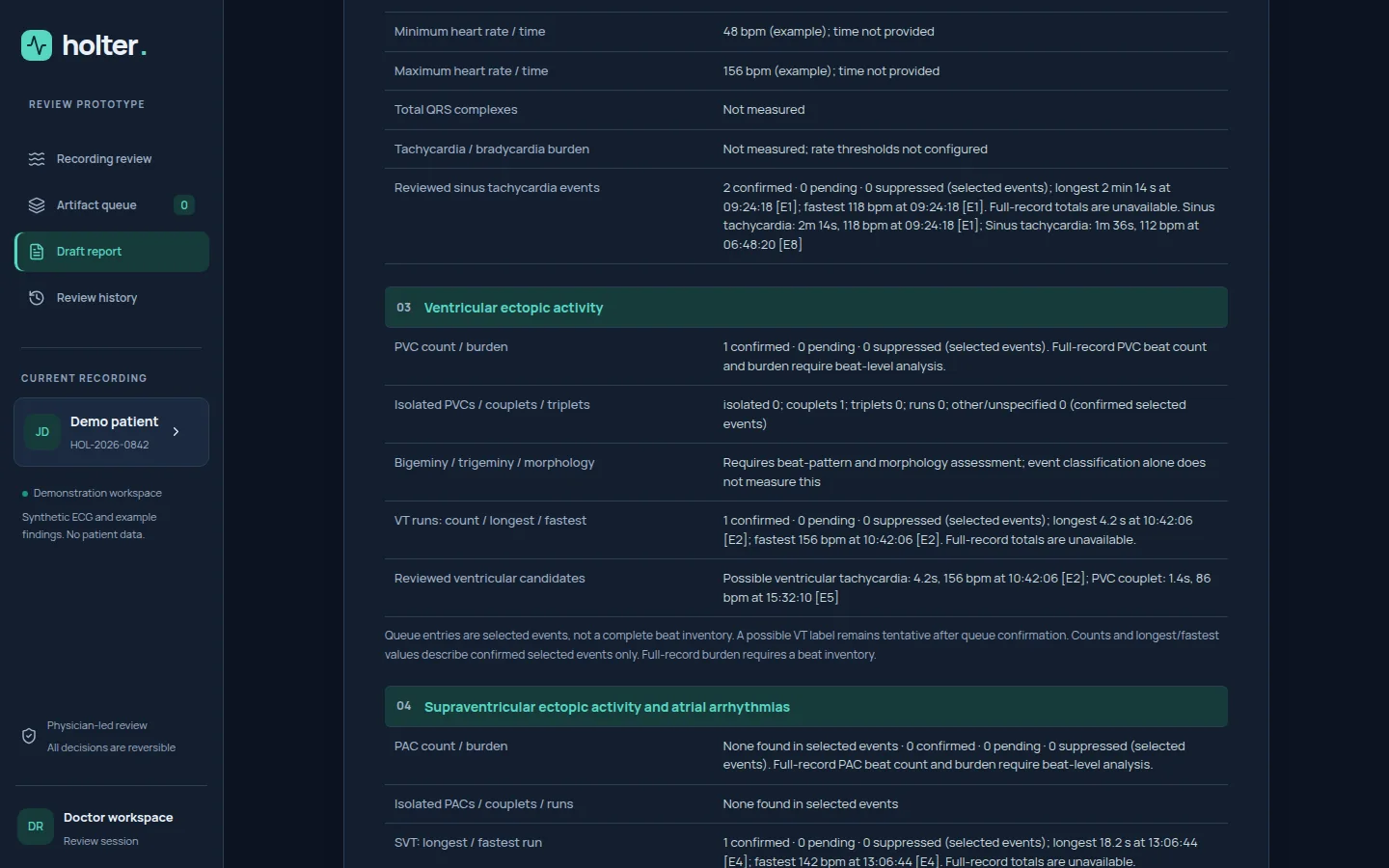
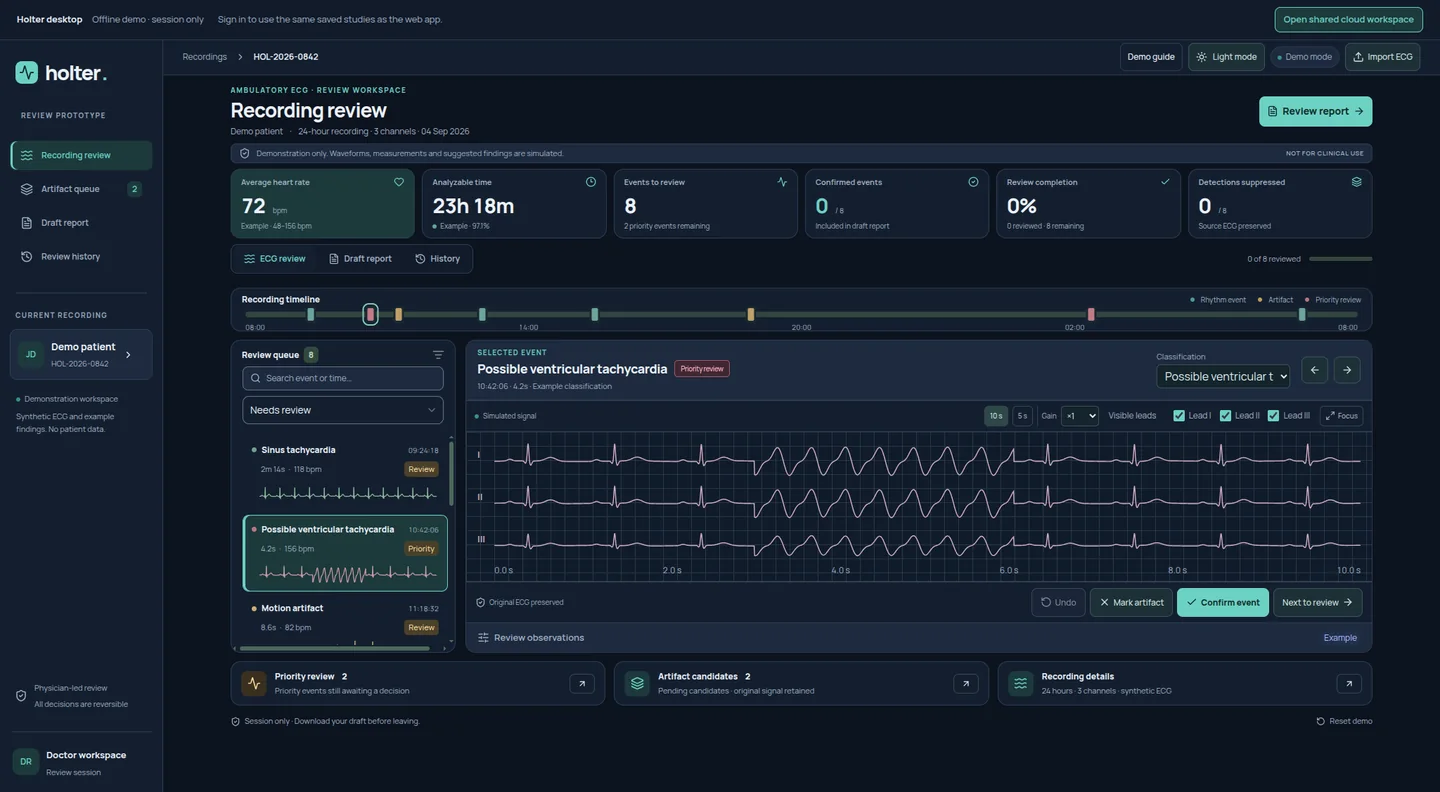
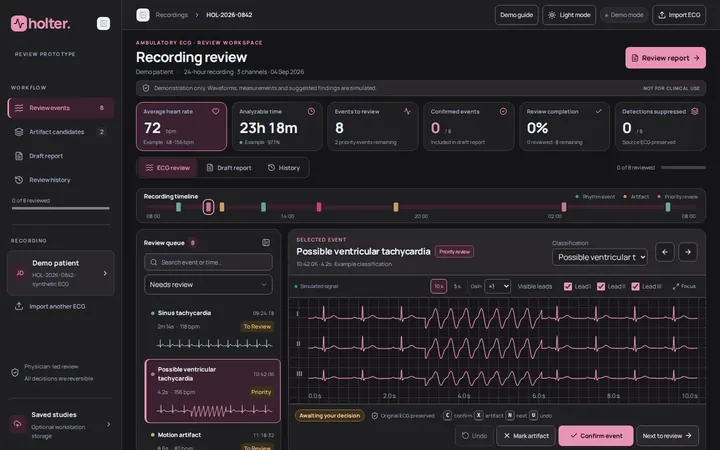
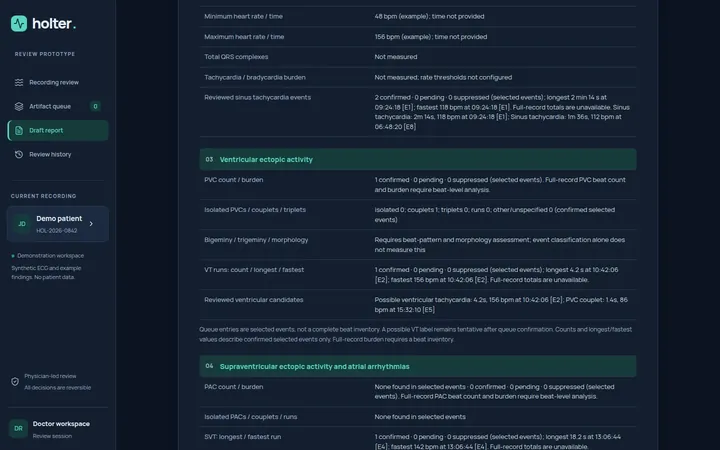
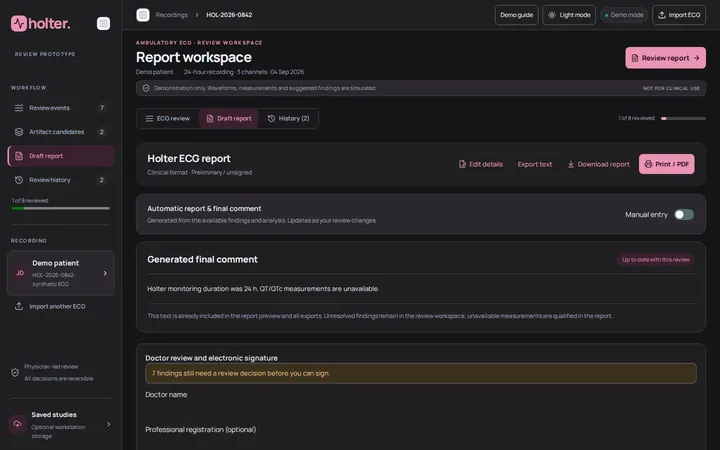
Holter ECG recording review workspace with a three-lead waveform and review queueHolter ECG review
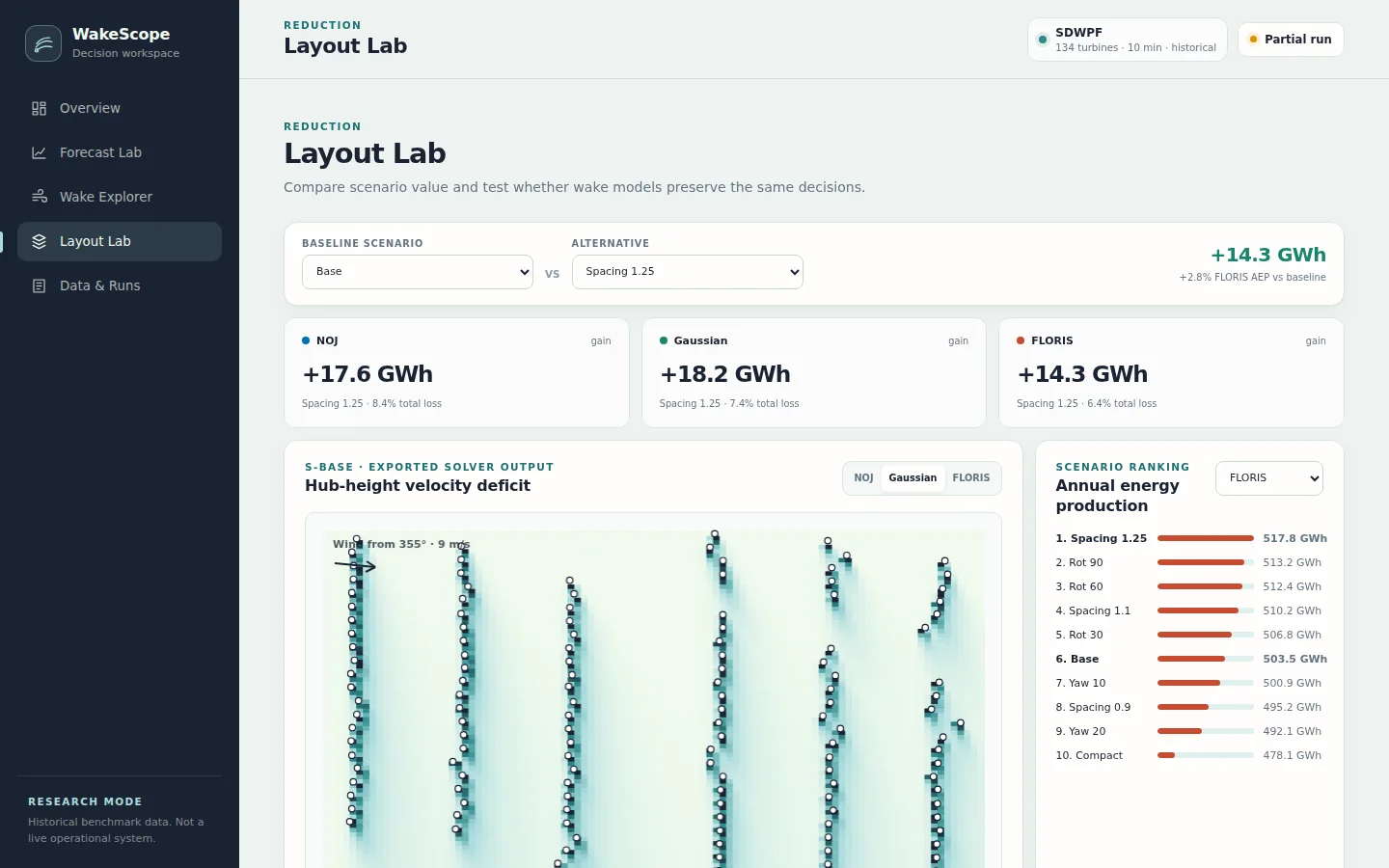
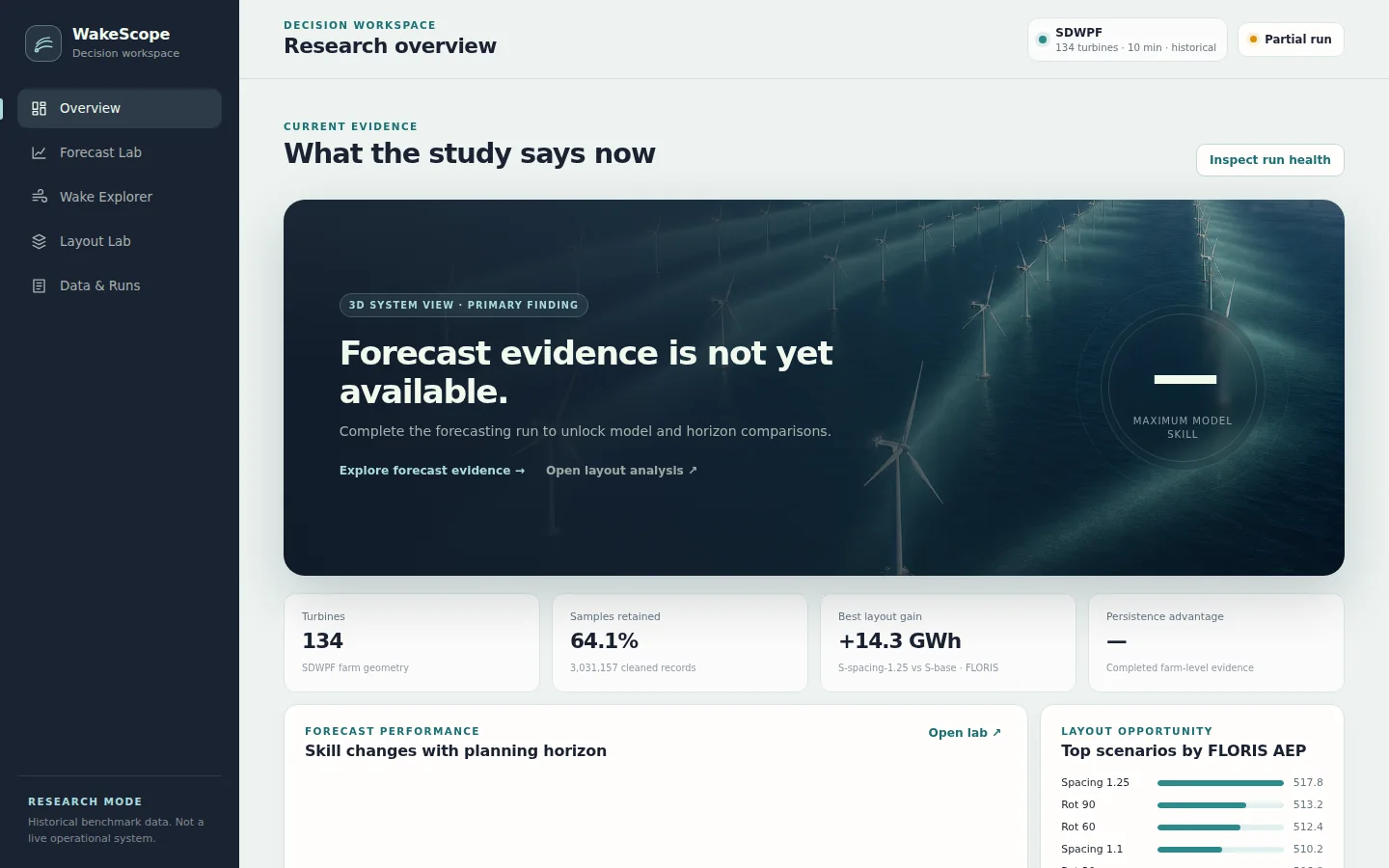
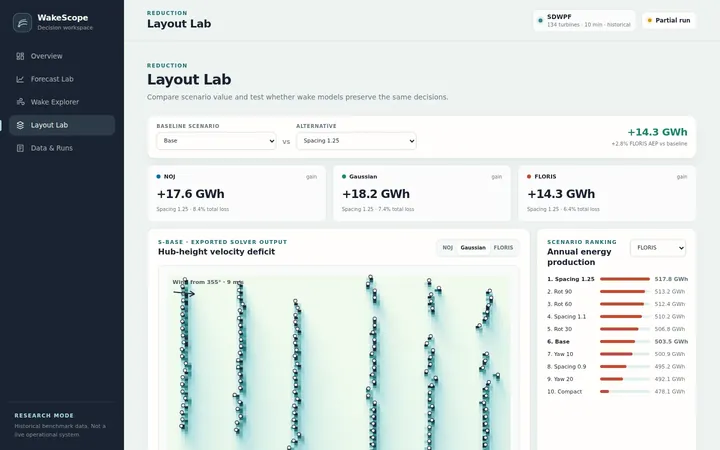
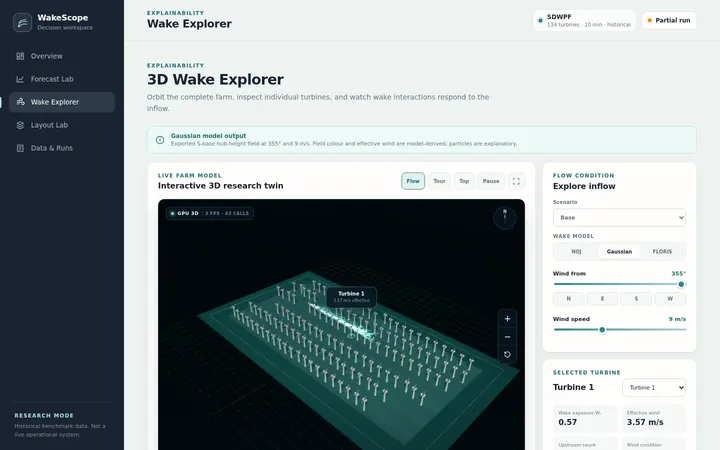
WakeScope 3D wake explorer rendering a 134-turbine wind farmWakeScope
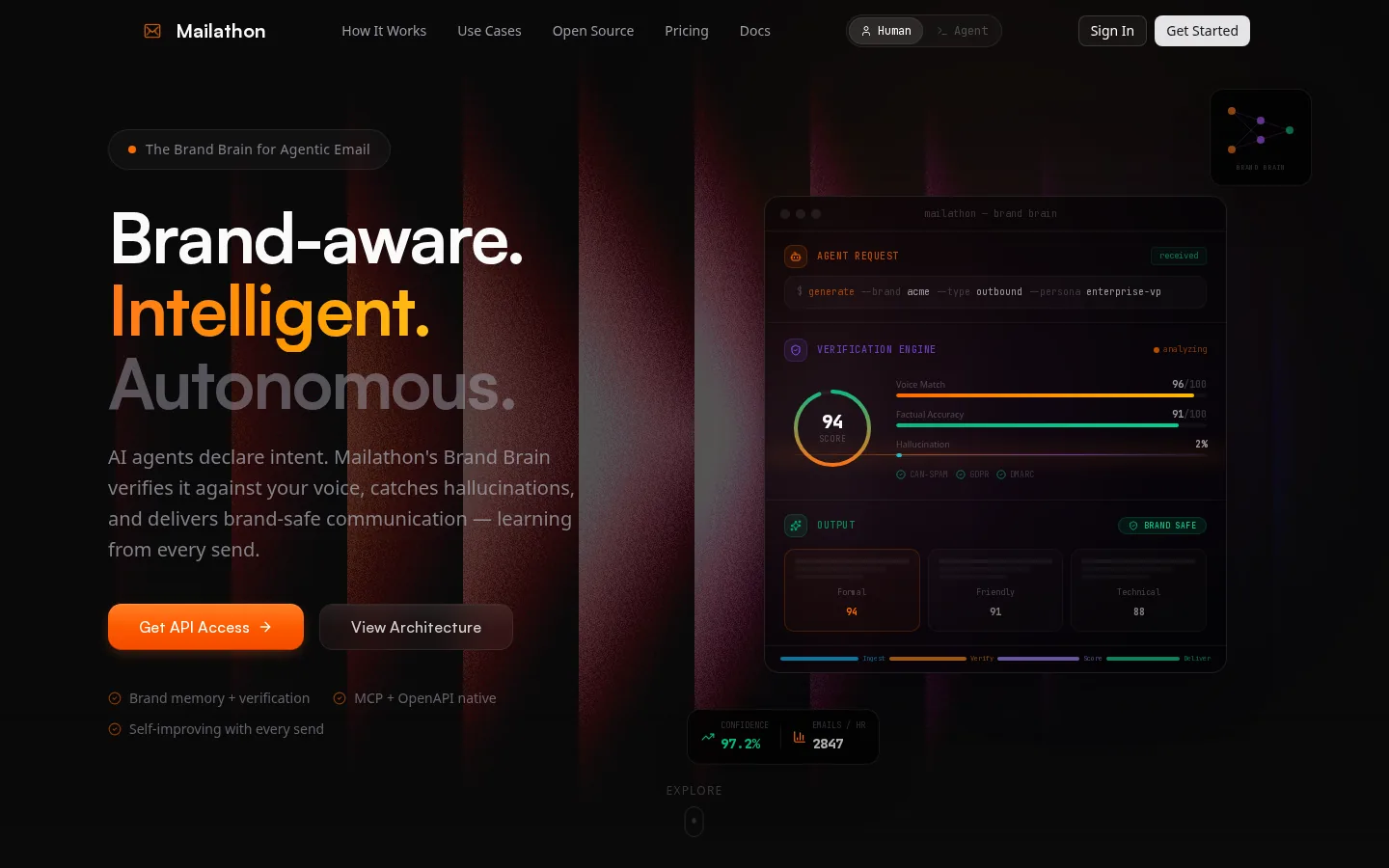
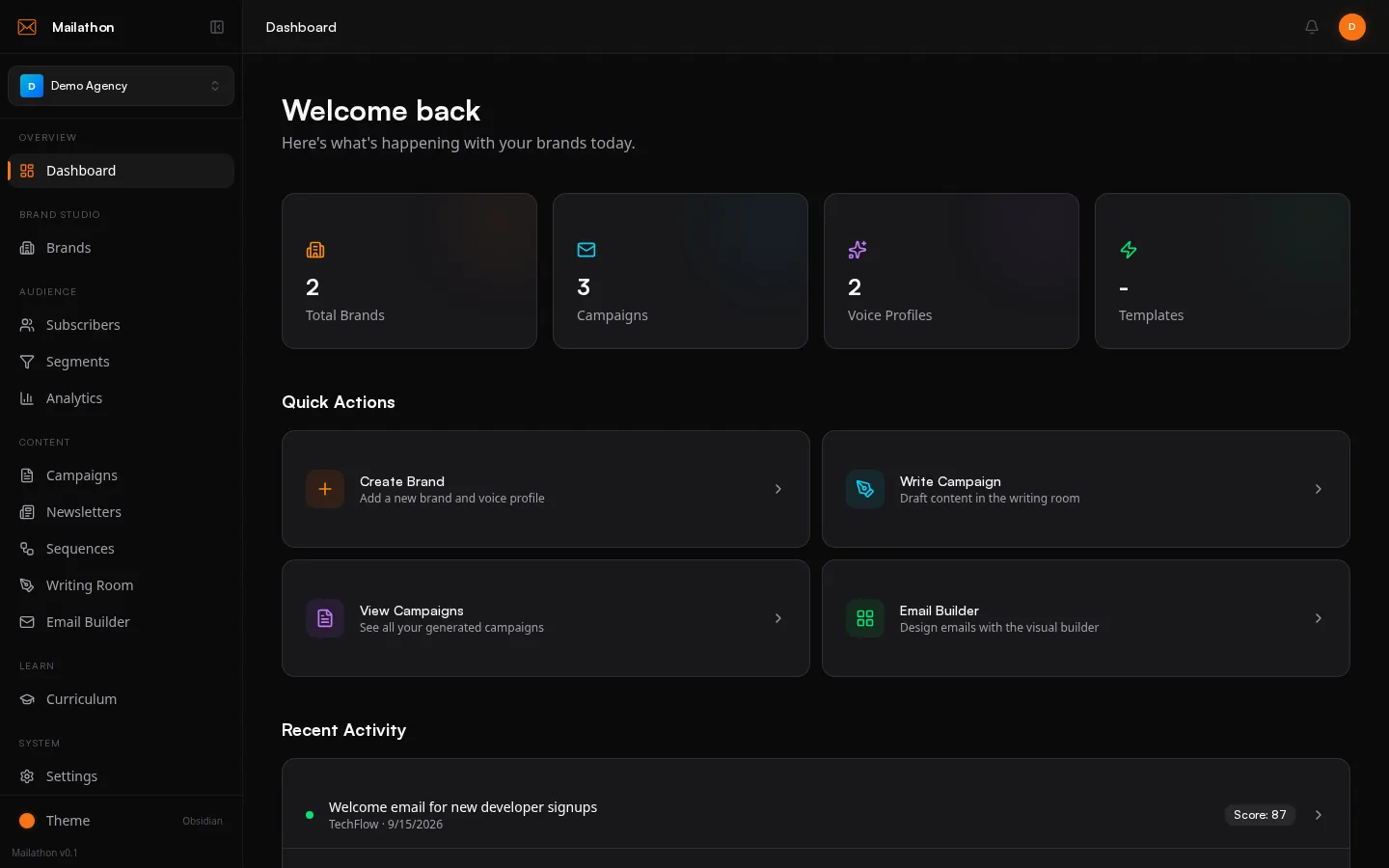
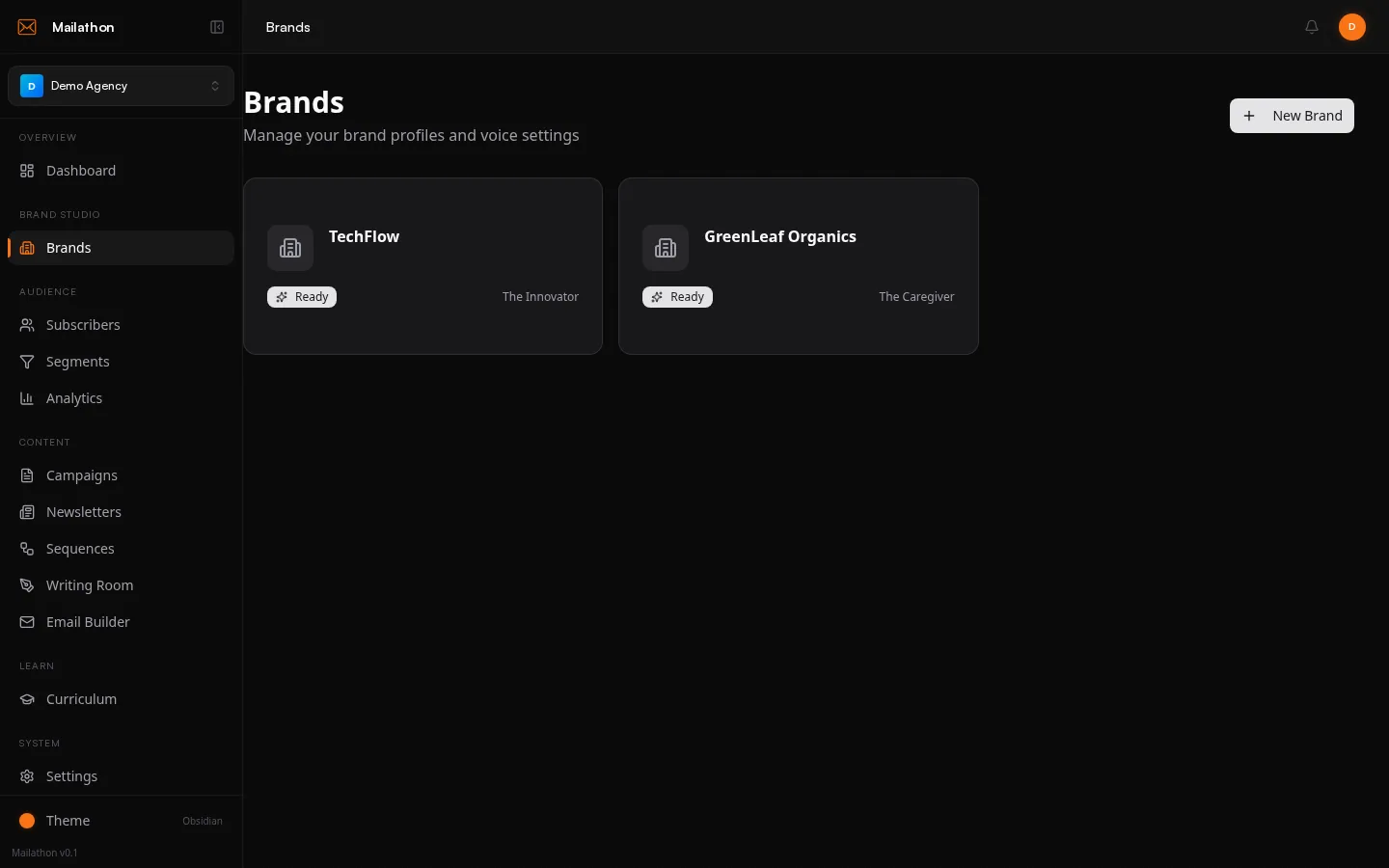
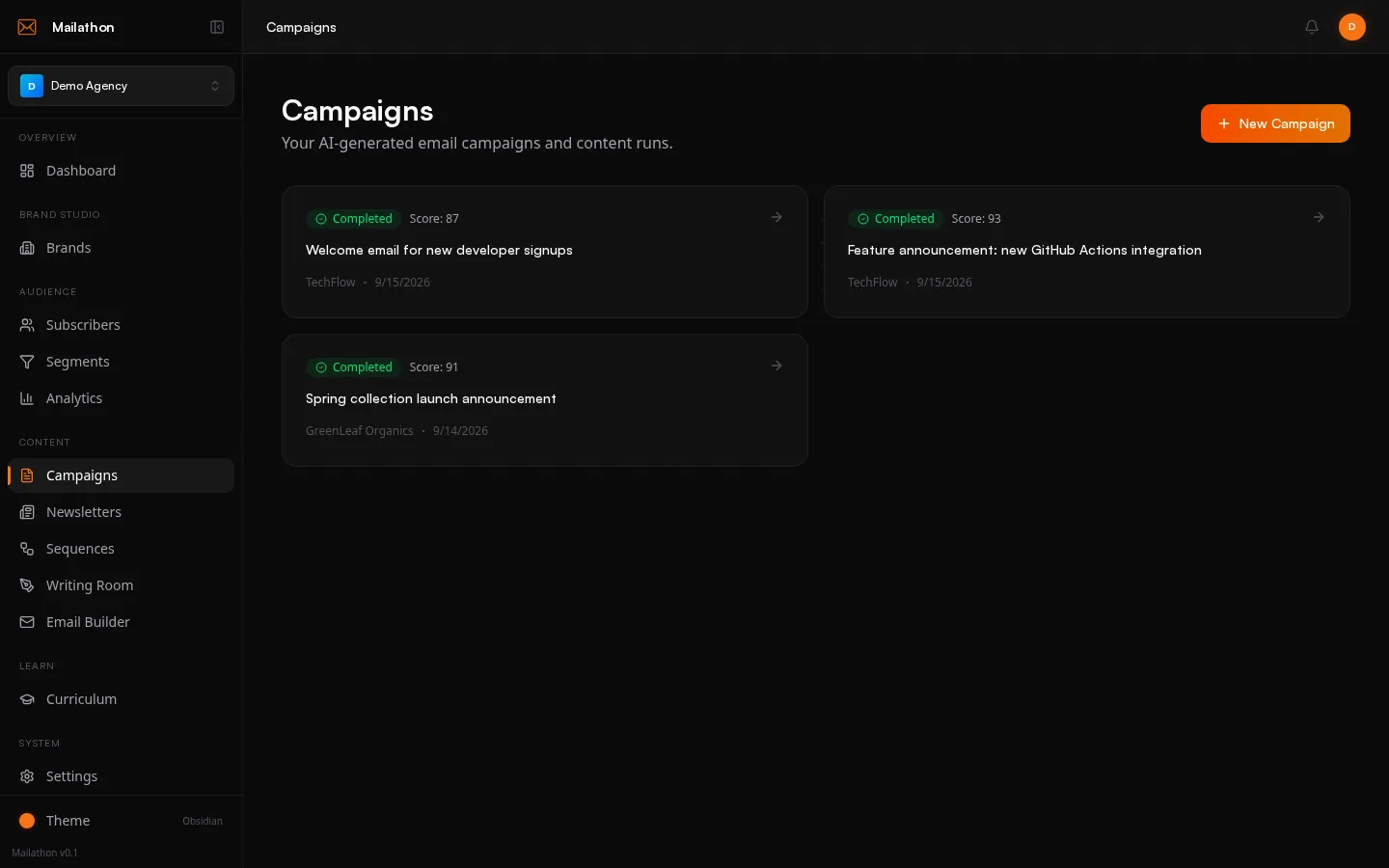
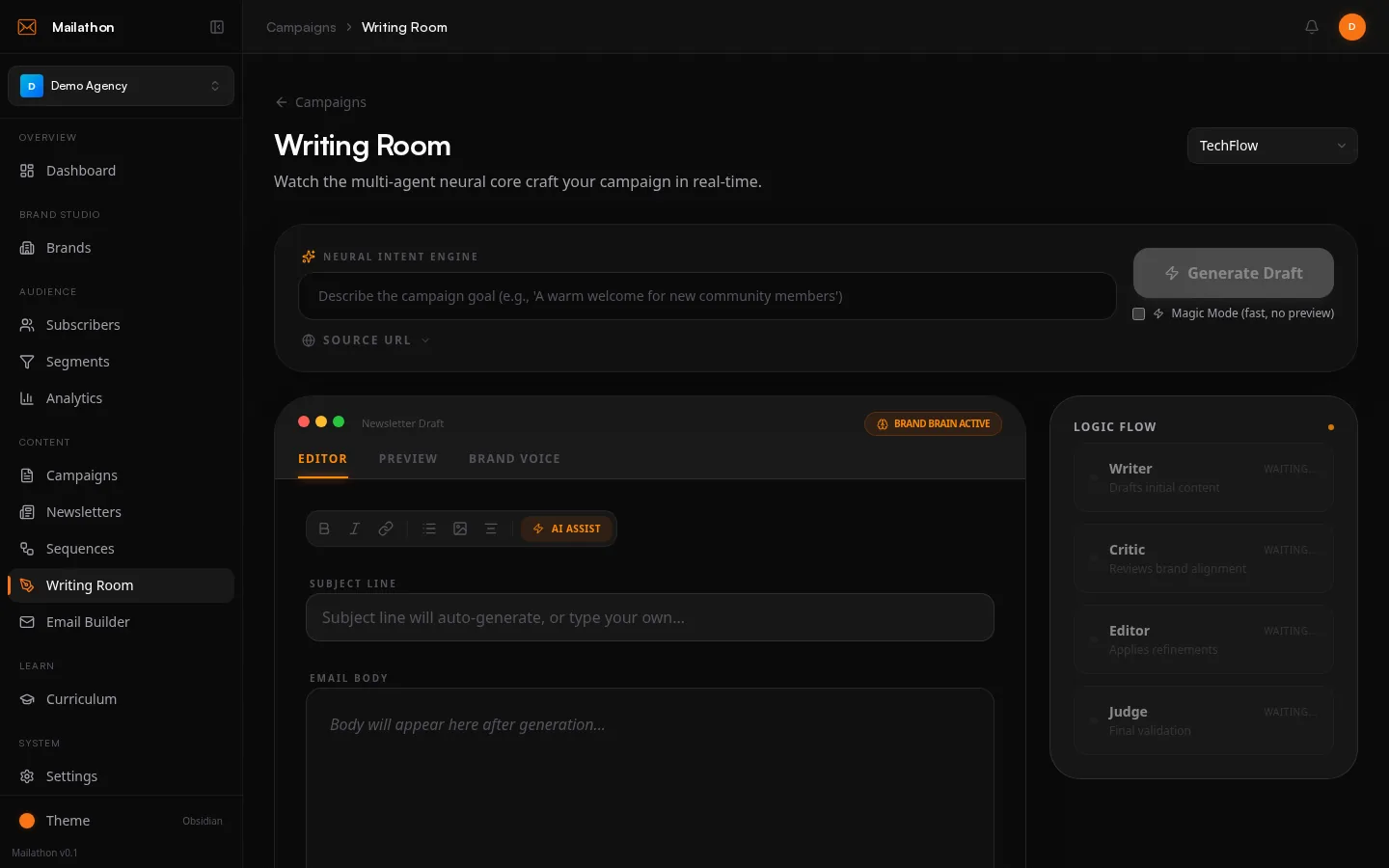
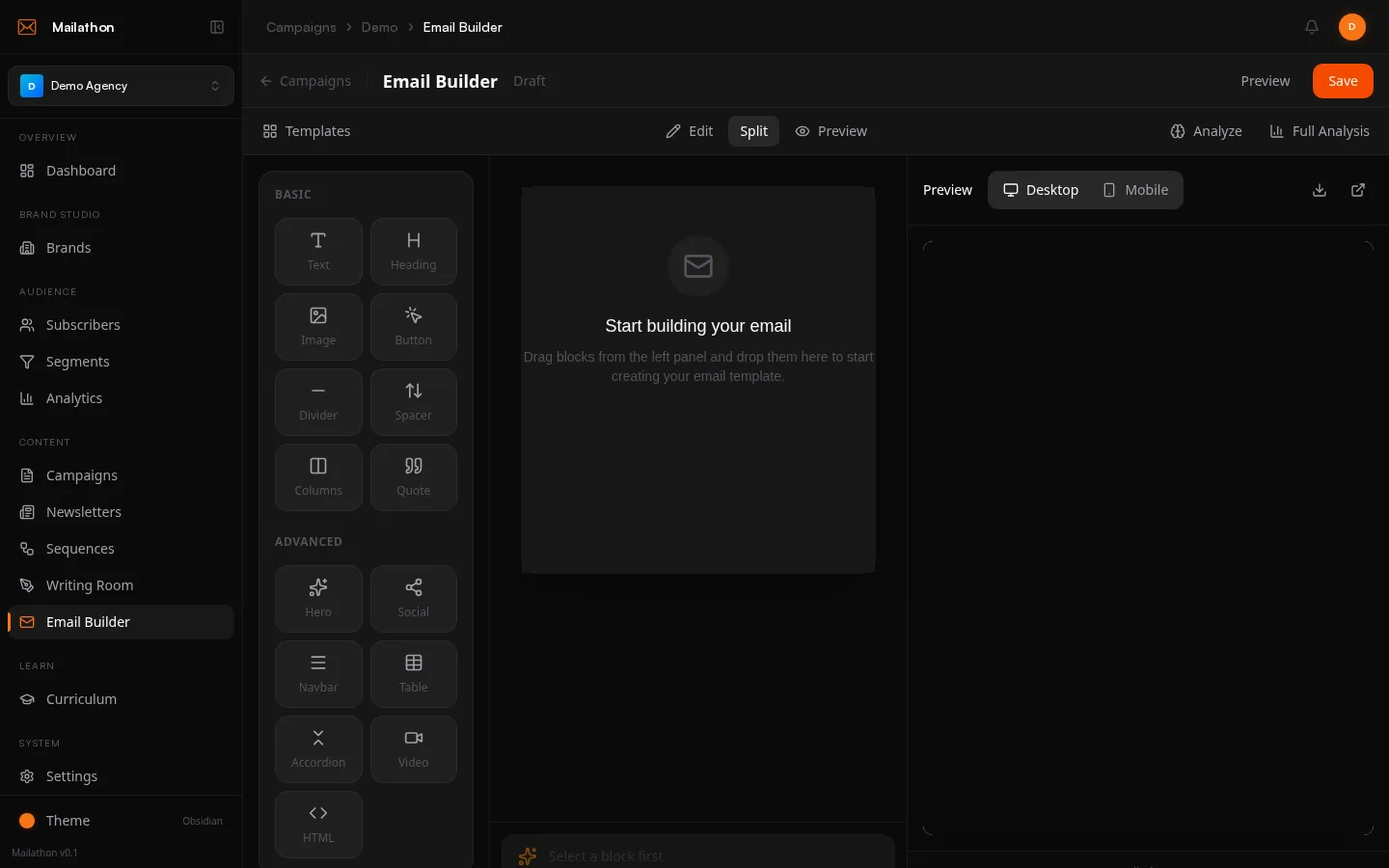
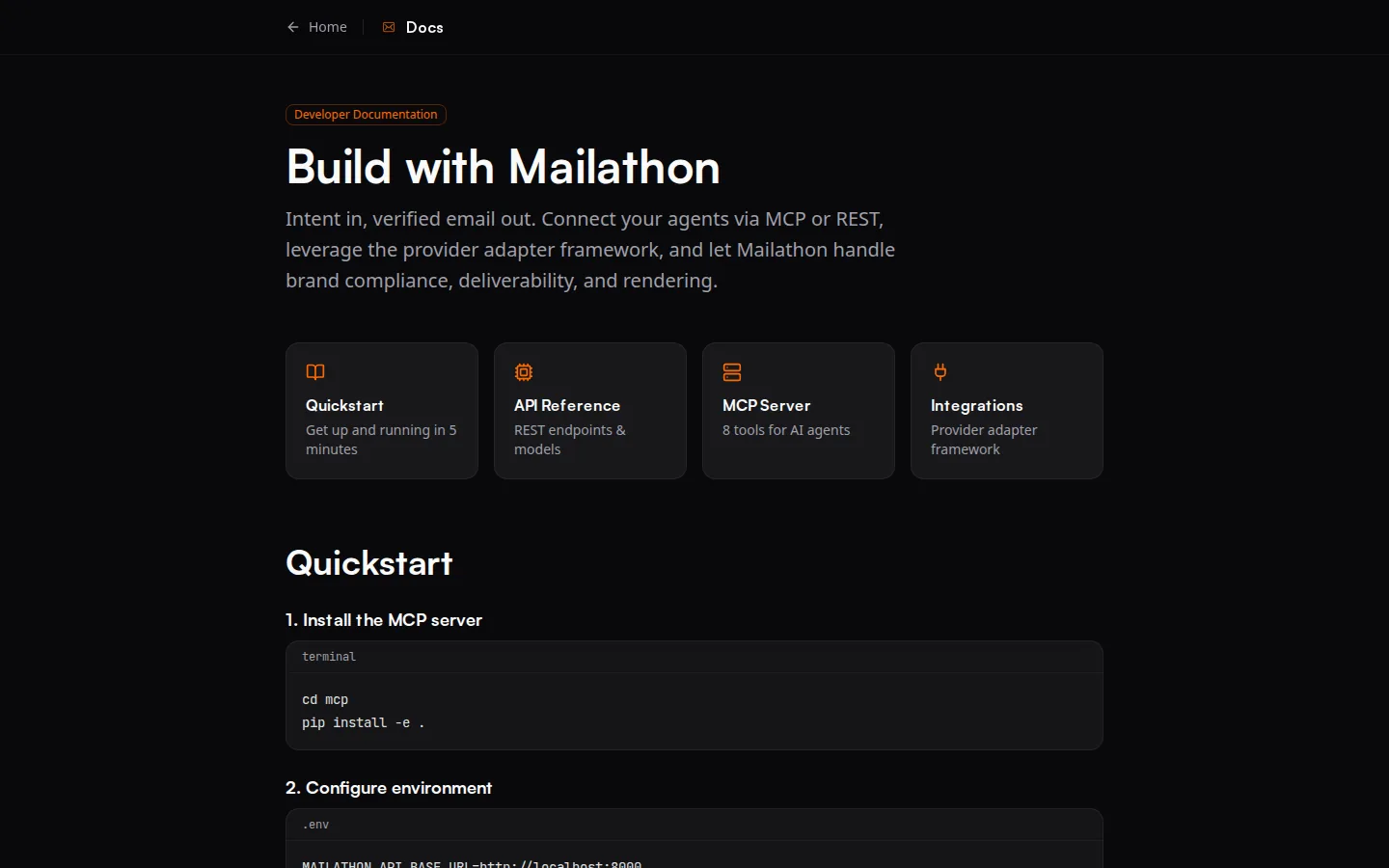
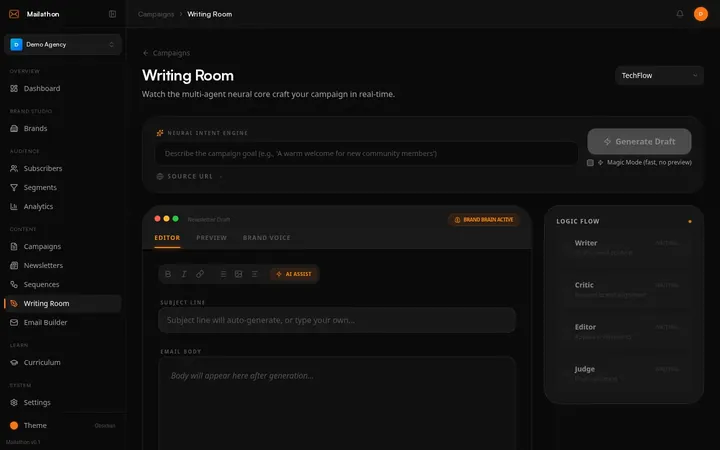
Mailathon live landing page, the launched email campaign productMailathon
Makedonska Drzava home page, a live digital heritage libraryMakedonskaDrzava.com
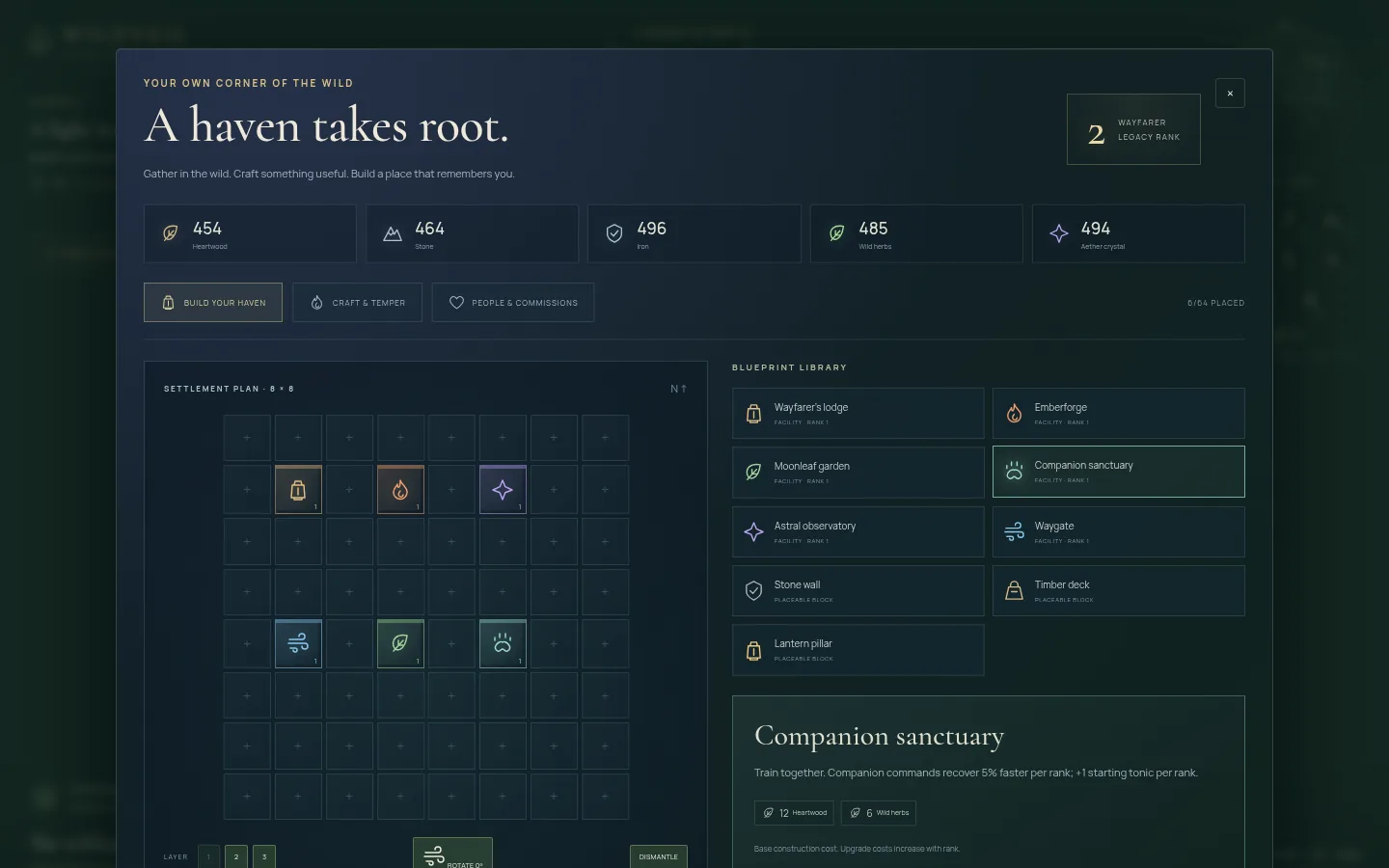
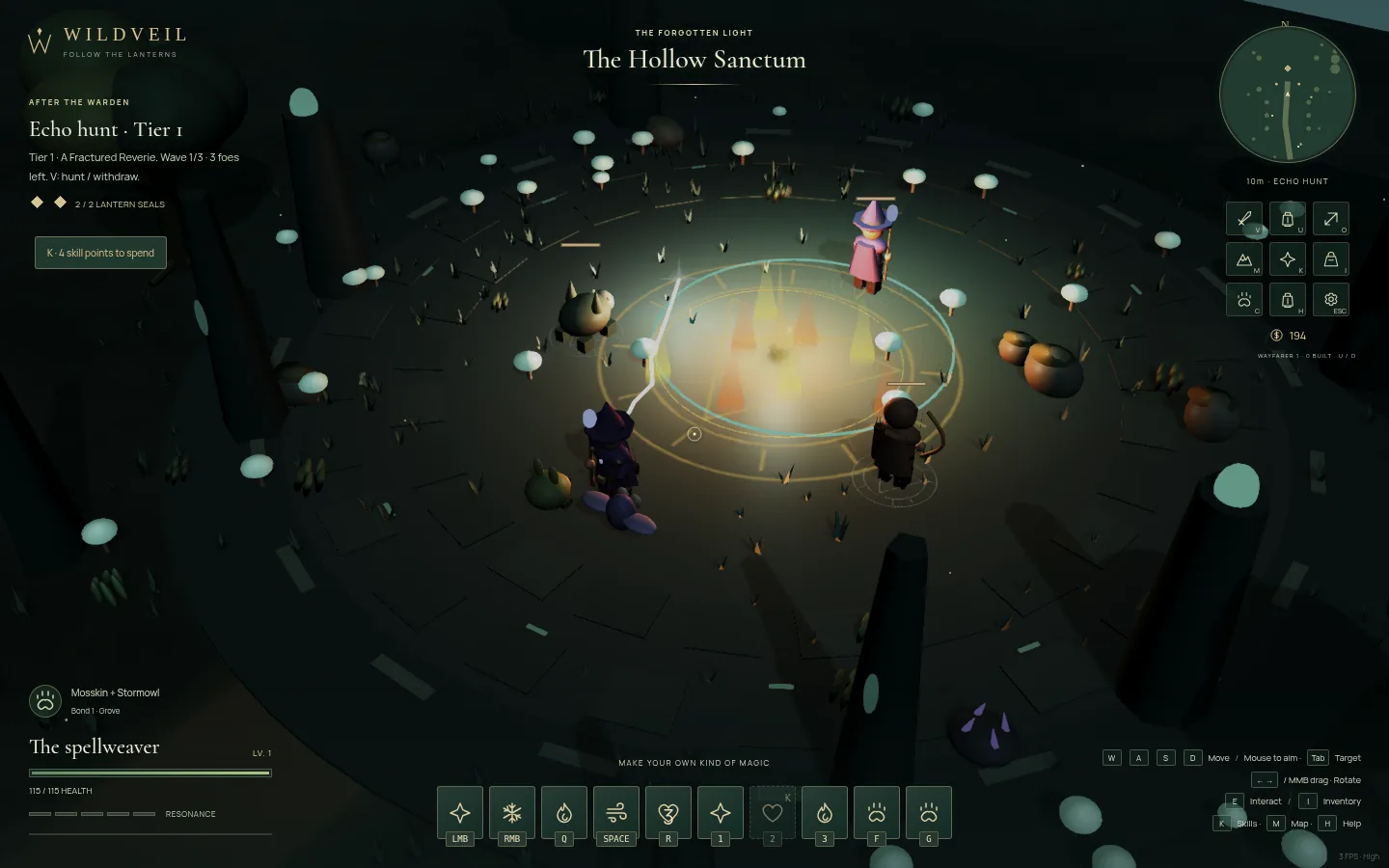
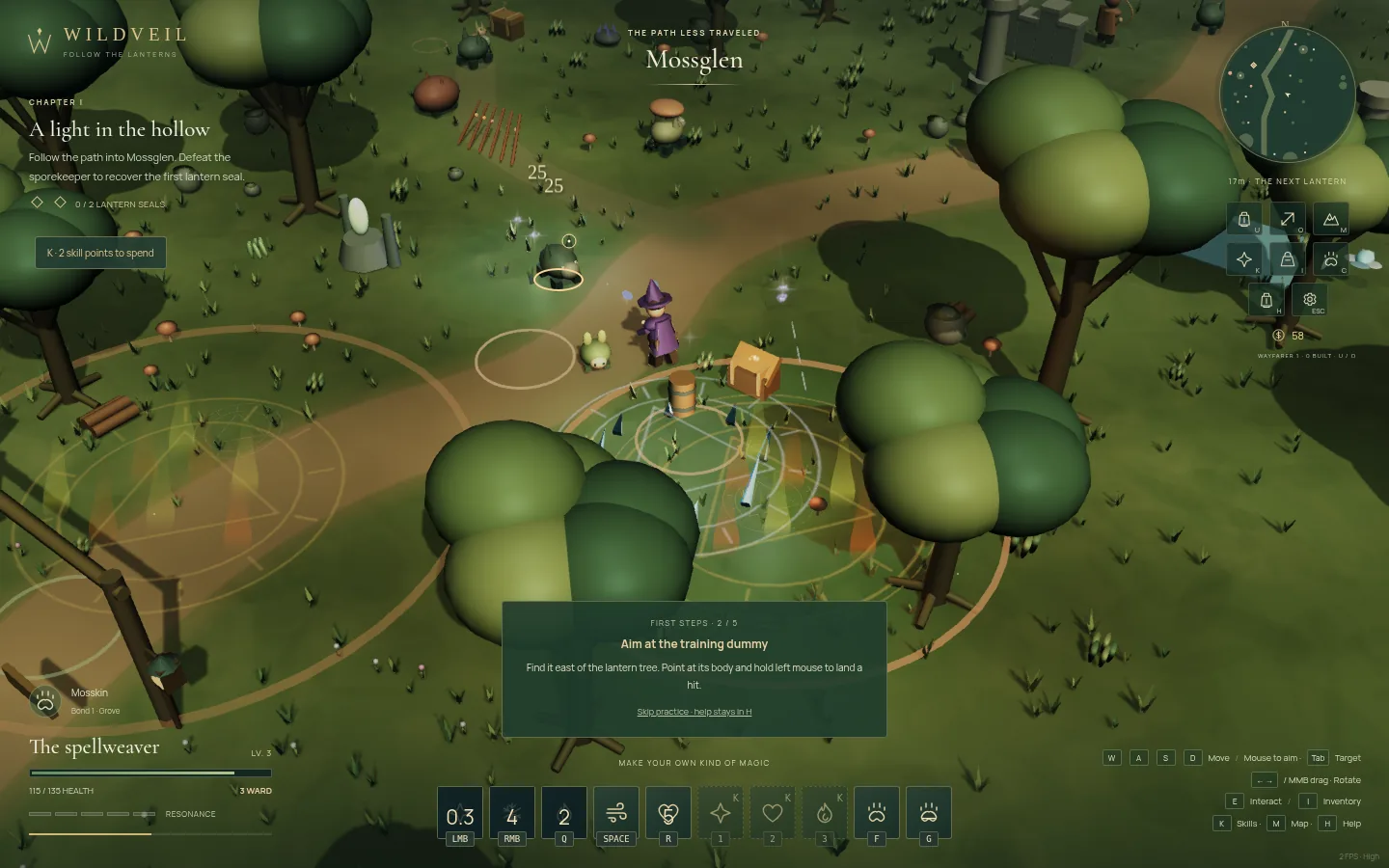
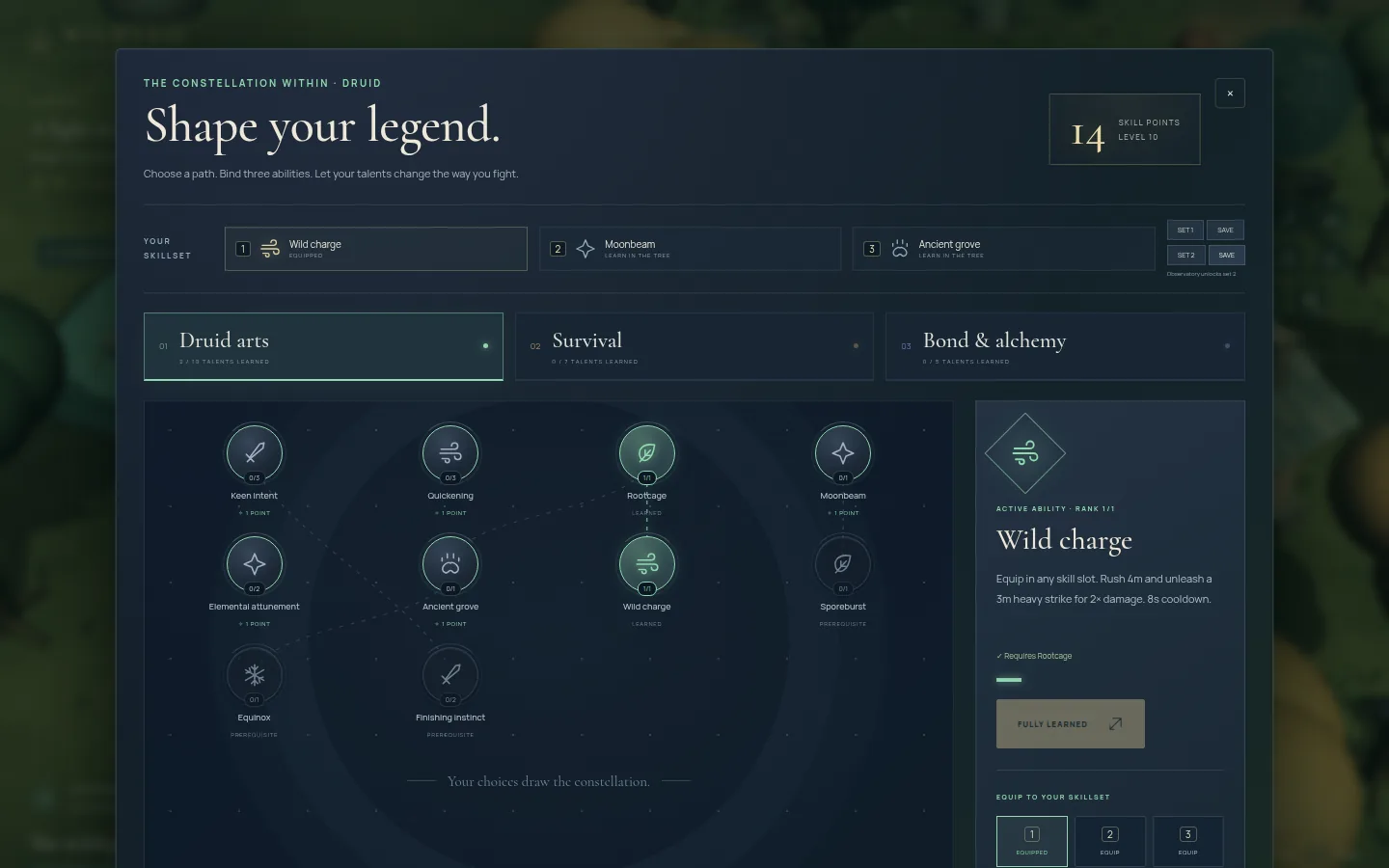
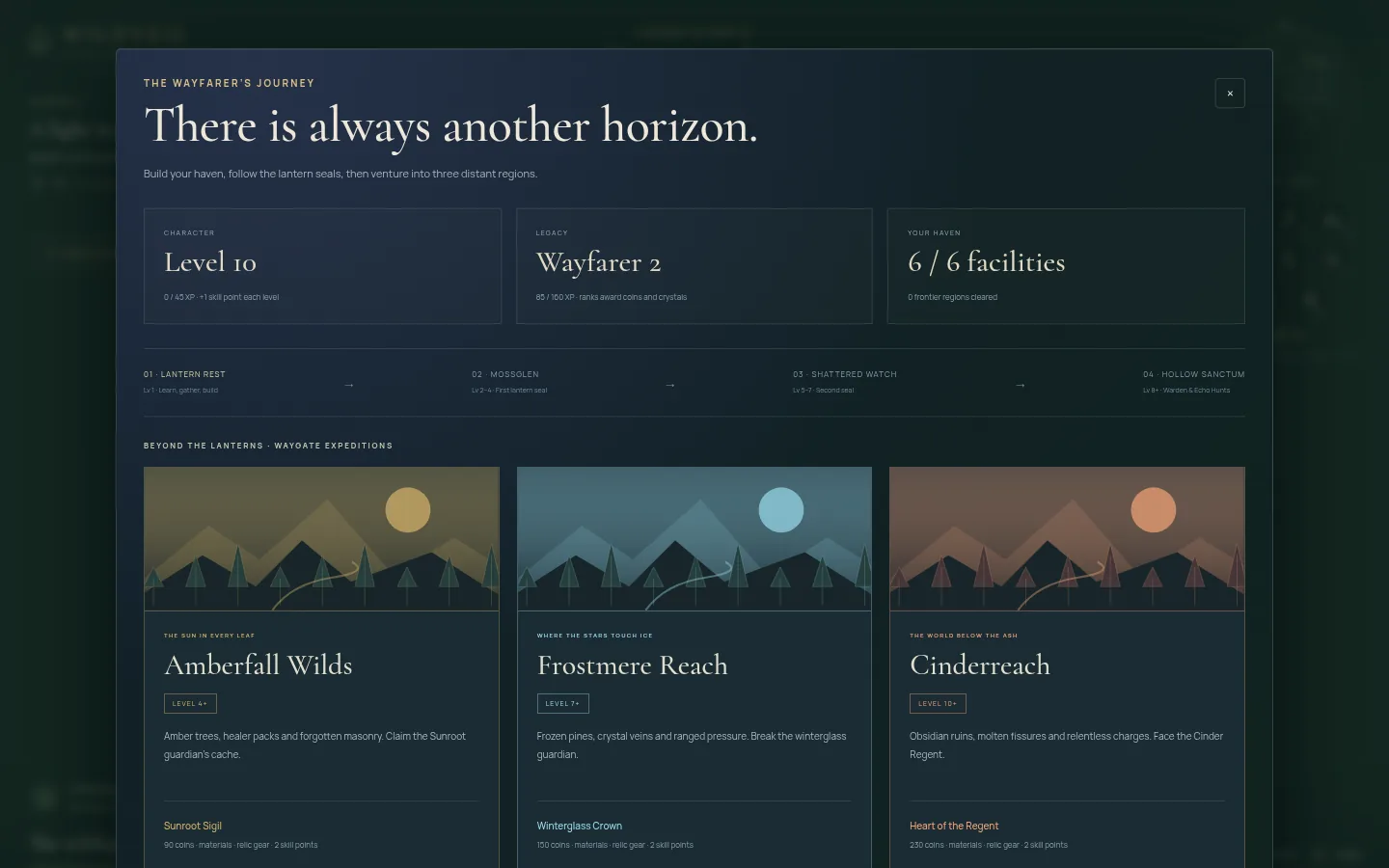
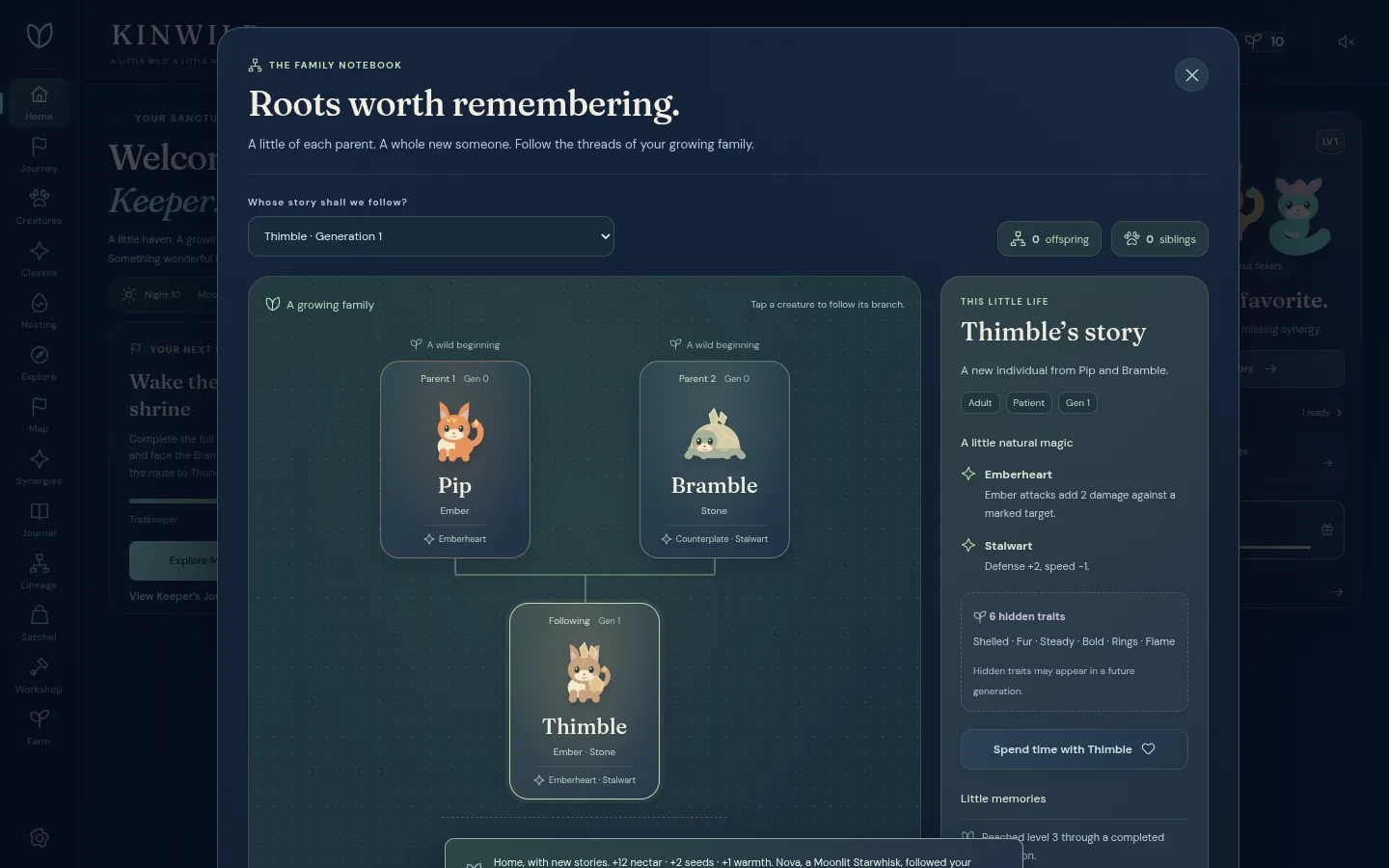
WILDVEIL: building the persistent haven in the browser 3D action RPG sliceWILDVEIL
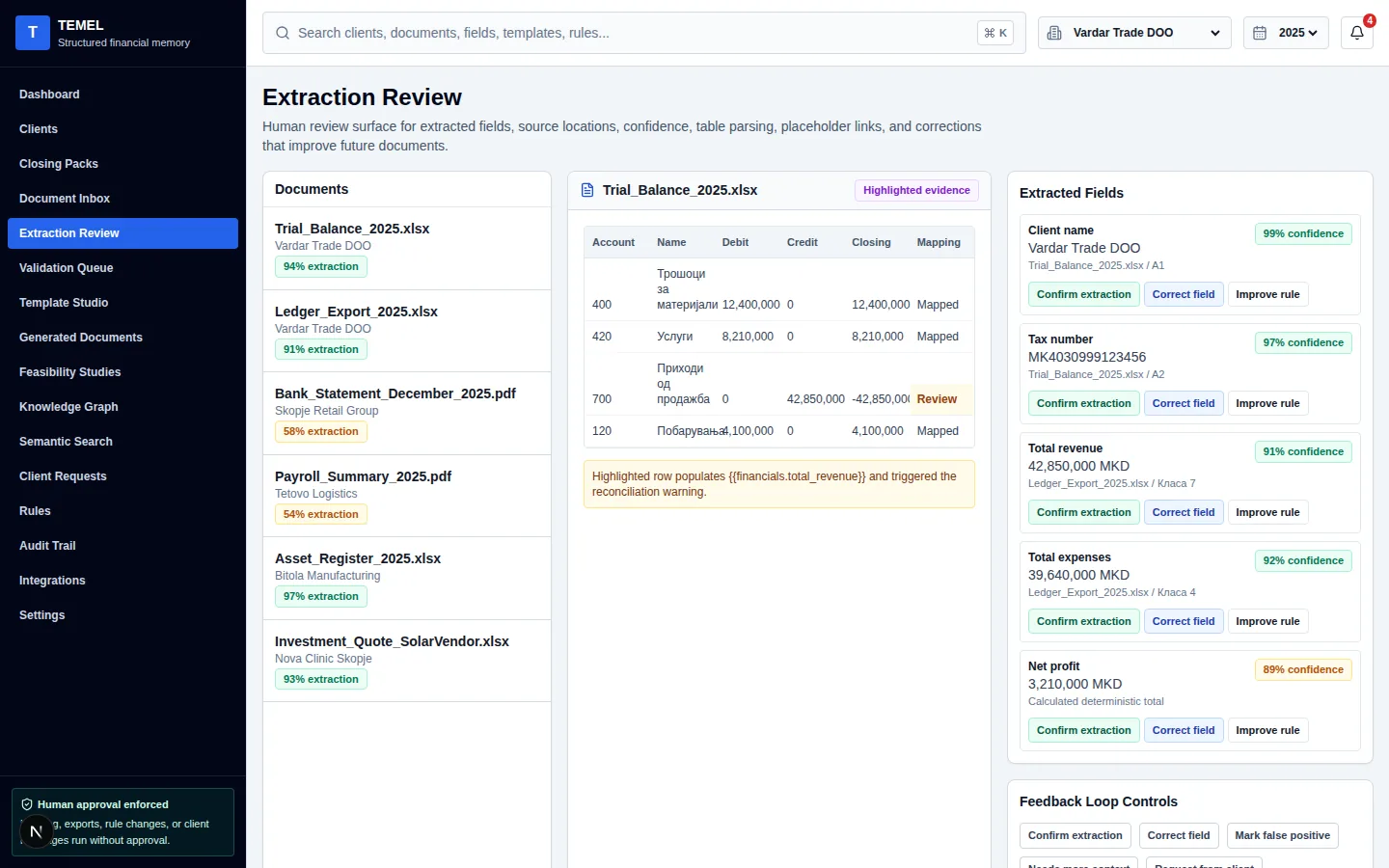
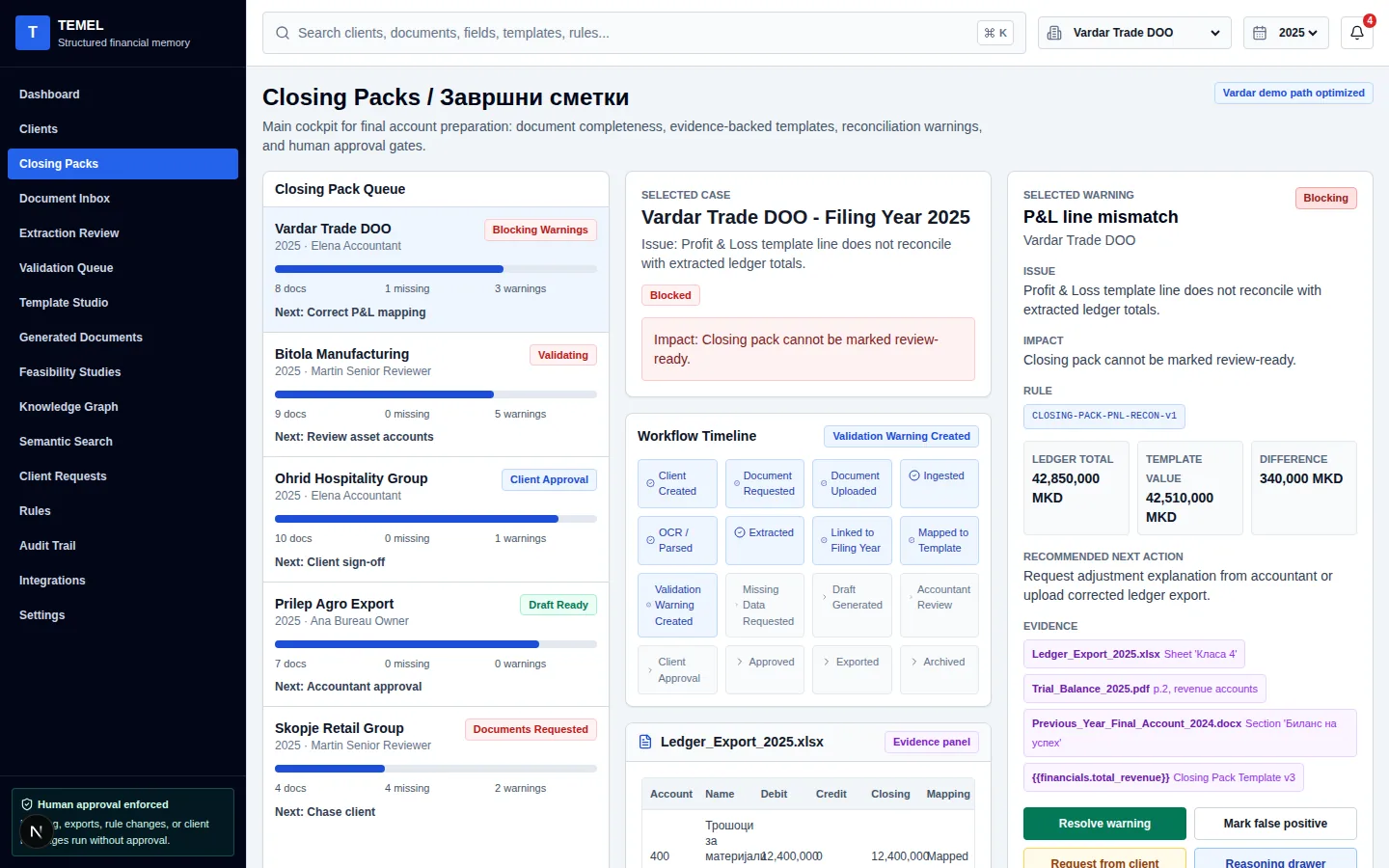
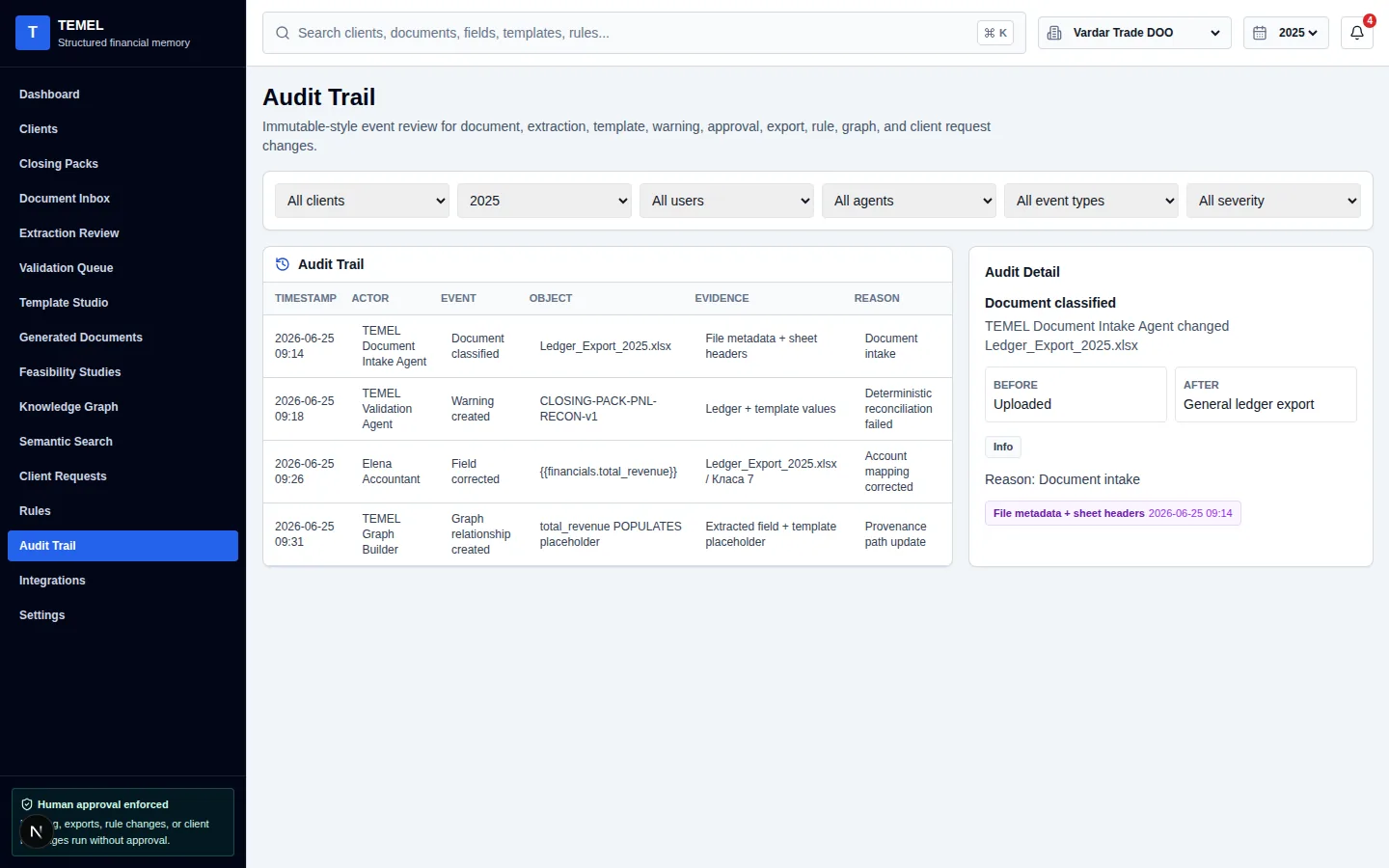
Temel document extraction review with field-level confidence and audit trailTemel

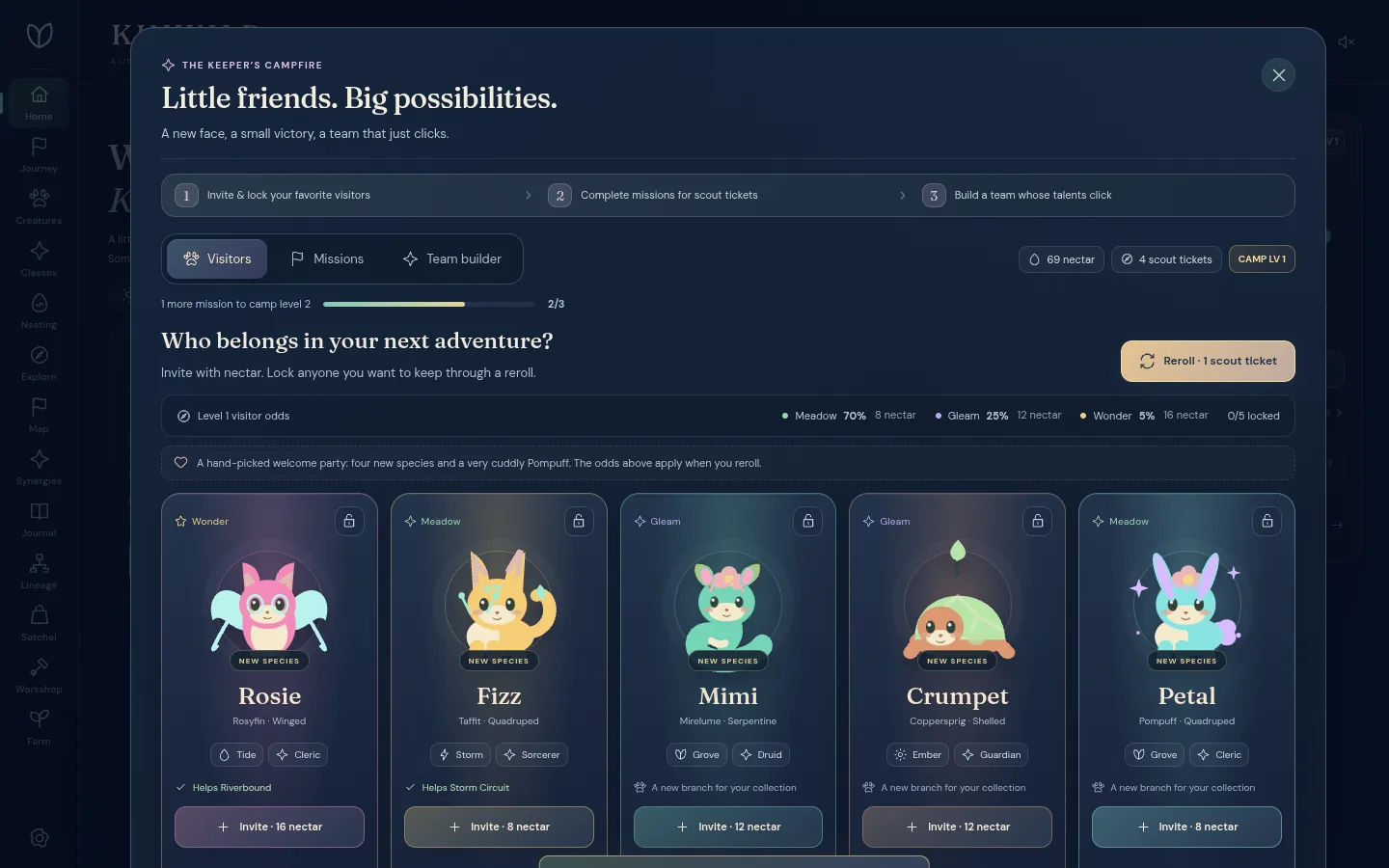
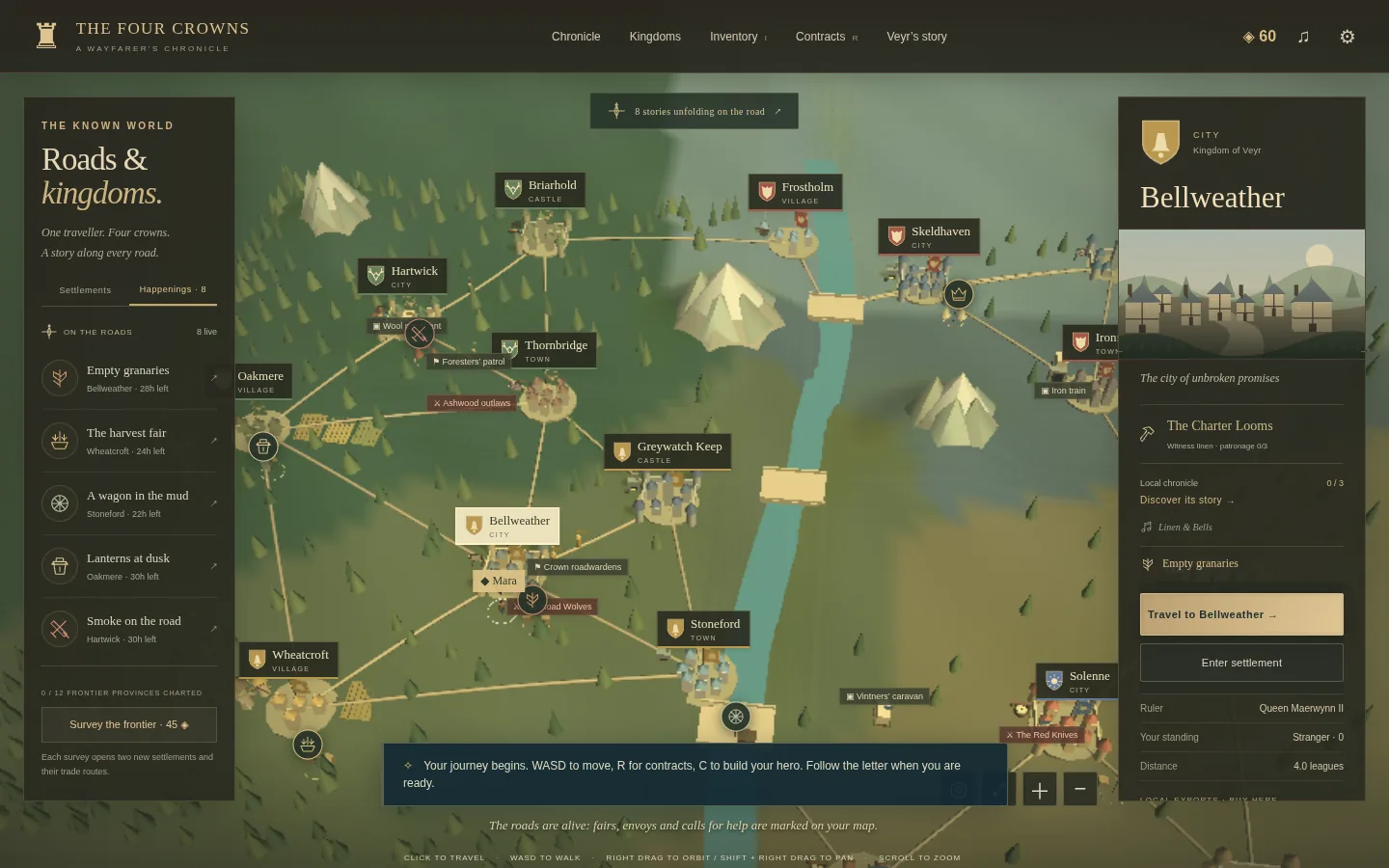
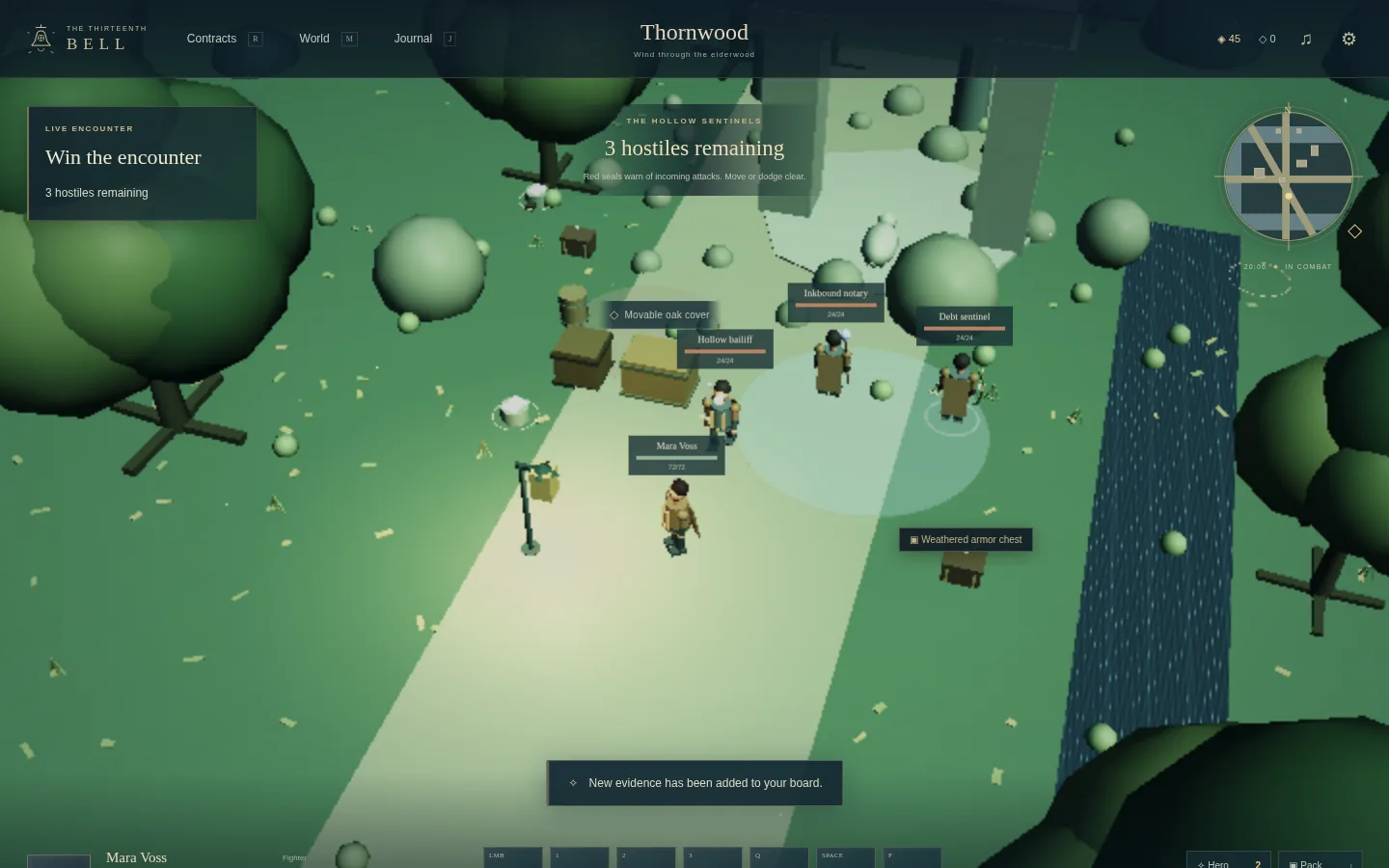
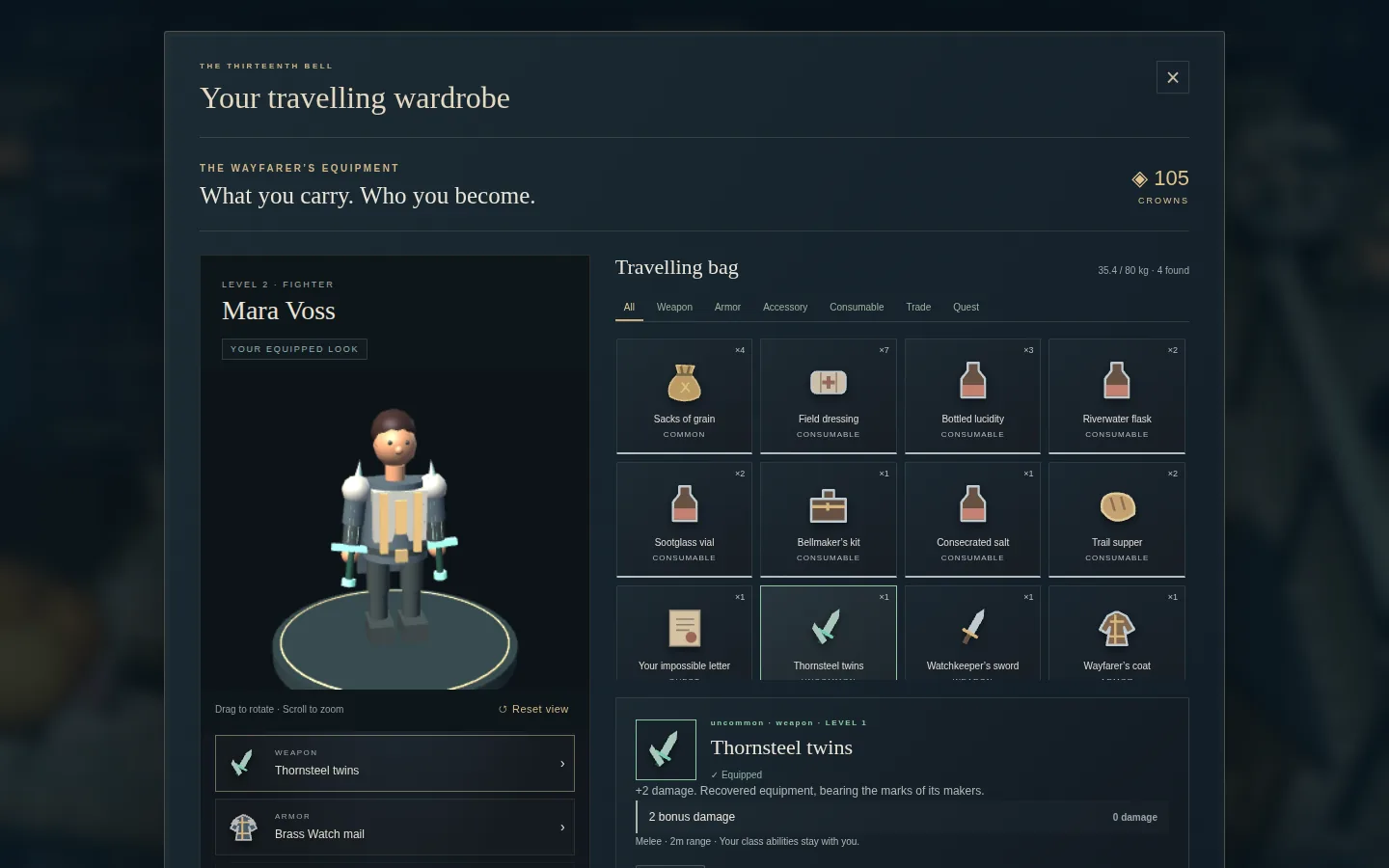
Seven of the systems. A parking control tower, an ECG review workstation, a wind-farm research twin, two live products, a browser 3D game and a document extraction desk. Synthetic or public data on every screen.

At a glance

What you need to know in ten seconds.

RoleAI and software engineerApplied AI, knowledge systems, operational tools
AvailabilityAvailable nowRemote, full-time or contract
LocationSkopje, CETOverlap with EU and US East hours
LanguagesEN · DE · FR · MKEnglish C1 (Cambridge CAE), German basic, French, Macedonian native
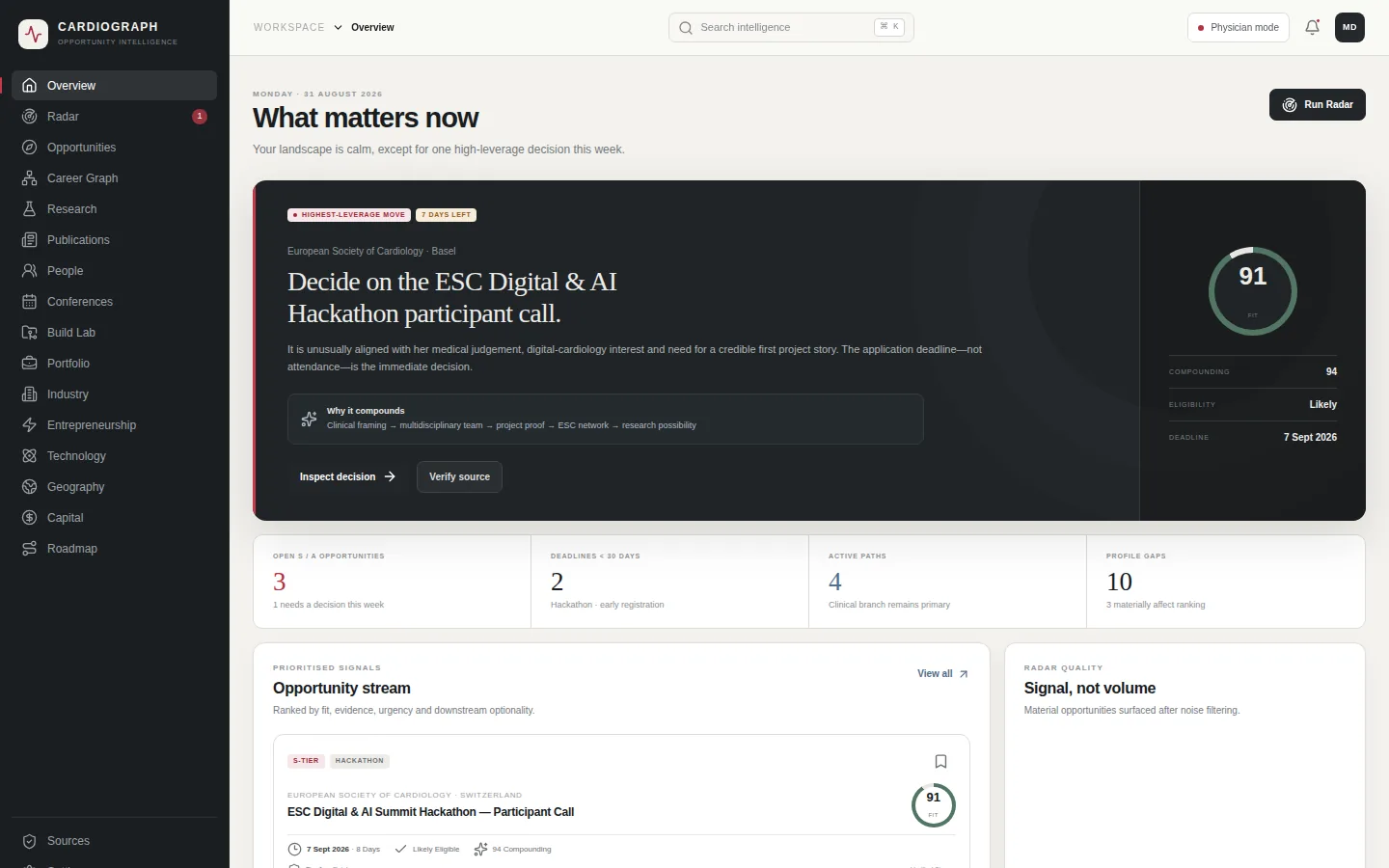
Live products2MakedonskaDrzava.com and Mailathon
On this page37 projects31 with real screens, 2 published papers

Every project, one board

Pick a skill to light up the projects that use it. Hover a dot in the matrix for that project's numbers. Click anything to jump to it.

Showing all 31 projects with screens

Skills and technology matrix

Every project scored 0 to 5 on each skill area, from touched to defining. Hover a cell to read what the project is and what that skill does inside it.

Scroll sideways to see all skill areas. Tap a cell for details, tap again to open the project.

ProjectTypeScript & ReactPythonDatabasesGraphs & retrievalLLM guardrails3D & enginesTestingMobile & desktopML & scienceInfra & deployStrongest in
AirGo Control Towerdefiningnot usedmajornot usednot useddefiningmajorsupportingnot usedsupportingTypeScript & React3D & enginesDatabases
MakedonskaDrzava.comdefiningnot usedsupportingdefiningmajornot usednot usednot usedsupportingmajorTypeScript & ReactGraphs & retrievalLLM guardrails
Holter ECG reviewdefiningmajormajornot usednot usednot useddefiningmajormajormajorTypeScript & ReactTestingPython
Mailathon Brand Braindefiningsupportingmajordefiningdefiningnot usedsubstantialnot usednot useddefiningTypeScript & ReactGraphs & retrievalLLM guardrails
Wake-aware wind forecastingsubstantialdefiningnot usednot usednot usedmajorsubstantialnot useddefiningnot usedPythonML & science3D & engines
Bernoullimajordefiningmajordefiningsupportingnot useddefiningnot usedsubstantialmajorPythonGraphs & retrievalTesting
DealRadardefiningnot usedmajornot usedmajornot useddefiningnot usednot usedsupportingTypeScript & ReactTestingDatabases
Reviewer Briefdefiningnot usedsupportingnot useddefiningnot usedsubstantialnot usednot usedsupportingTypeScript & ReactLLM guardrails
Luciddefiningnot usedmajorsubstantialdefiningnot usedmajordefiningnot usedsupportingTypeScript & ReactLLM guardrailsMobile & desktop
Temelmajornot usednot usednot usednot usednot usednot usednot usednot usednot usedTypeScript & React
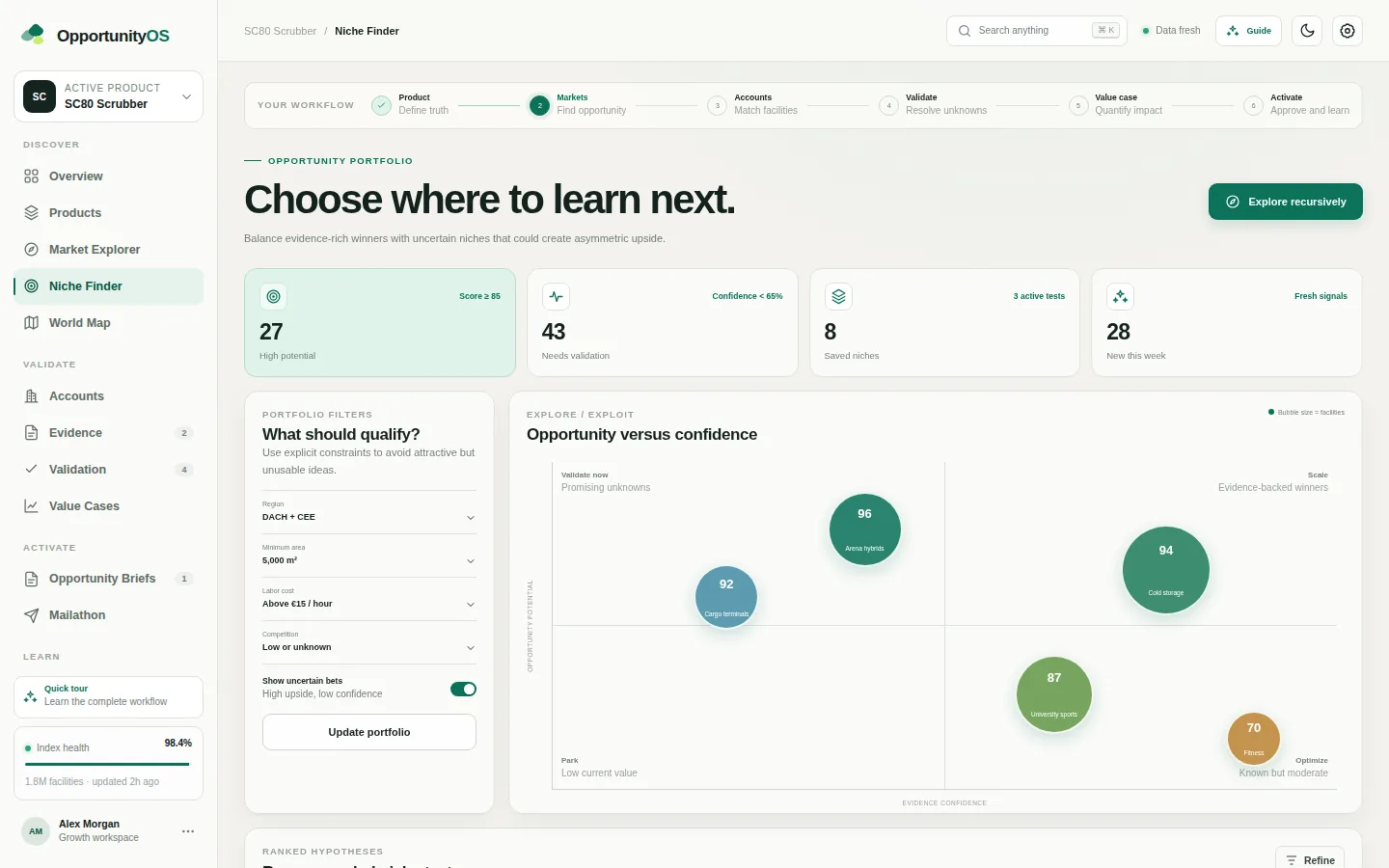
OpportunityOSsubstantialnot usednot usedsubstantialnot usednot usednot usednot usednot usednot usedTypeScript & ReactGraphs & retrieval
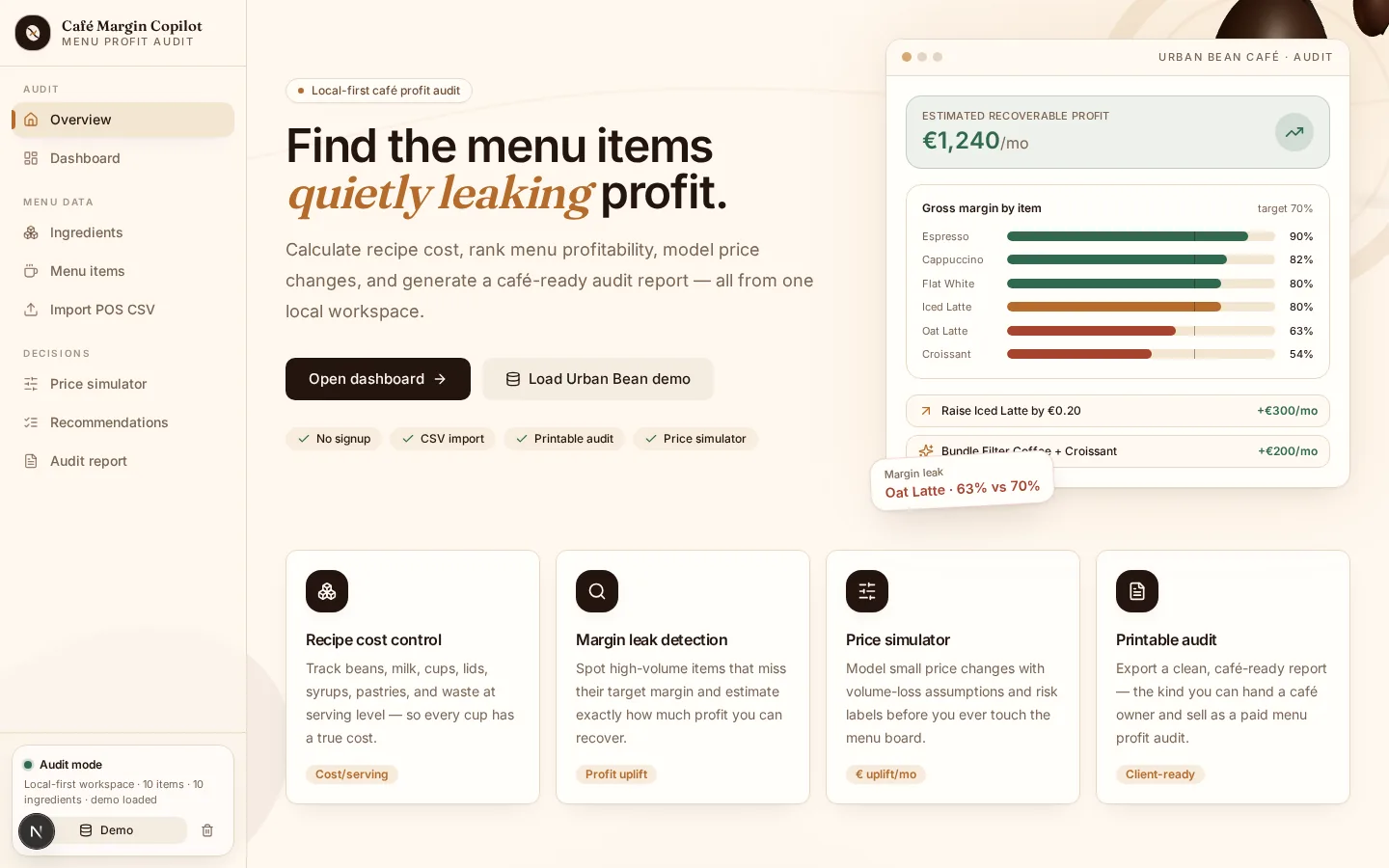
Café Margin Copilotmajornot usednot usednot usednot usednot usedmajornot usednot usednot usedTypeScript & ReactTesting
Municipal strategy enginemajornot usednot usednot usednot usednot usedsupportingnot usednot usednot usedTypeScript & React
Balkan SaaS prototypesmajornot usednot usednot usednot usednot usednot usednot usednot usednot usedTypeScript & React
9sanesubstantialnot usednot usednot usednot usednot usednot usednot usednot usednot usedTypeScript & React
Podaroksupportingnot usedsupportingnot usednot usednot usednot usednot usednot usedsupportingearly stage
MERA Photonicssupportingnot usednot usednot usednot usednot usednot usednot usednot usednot usedearly stage
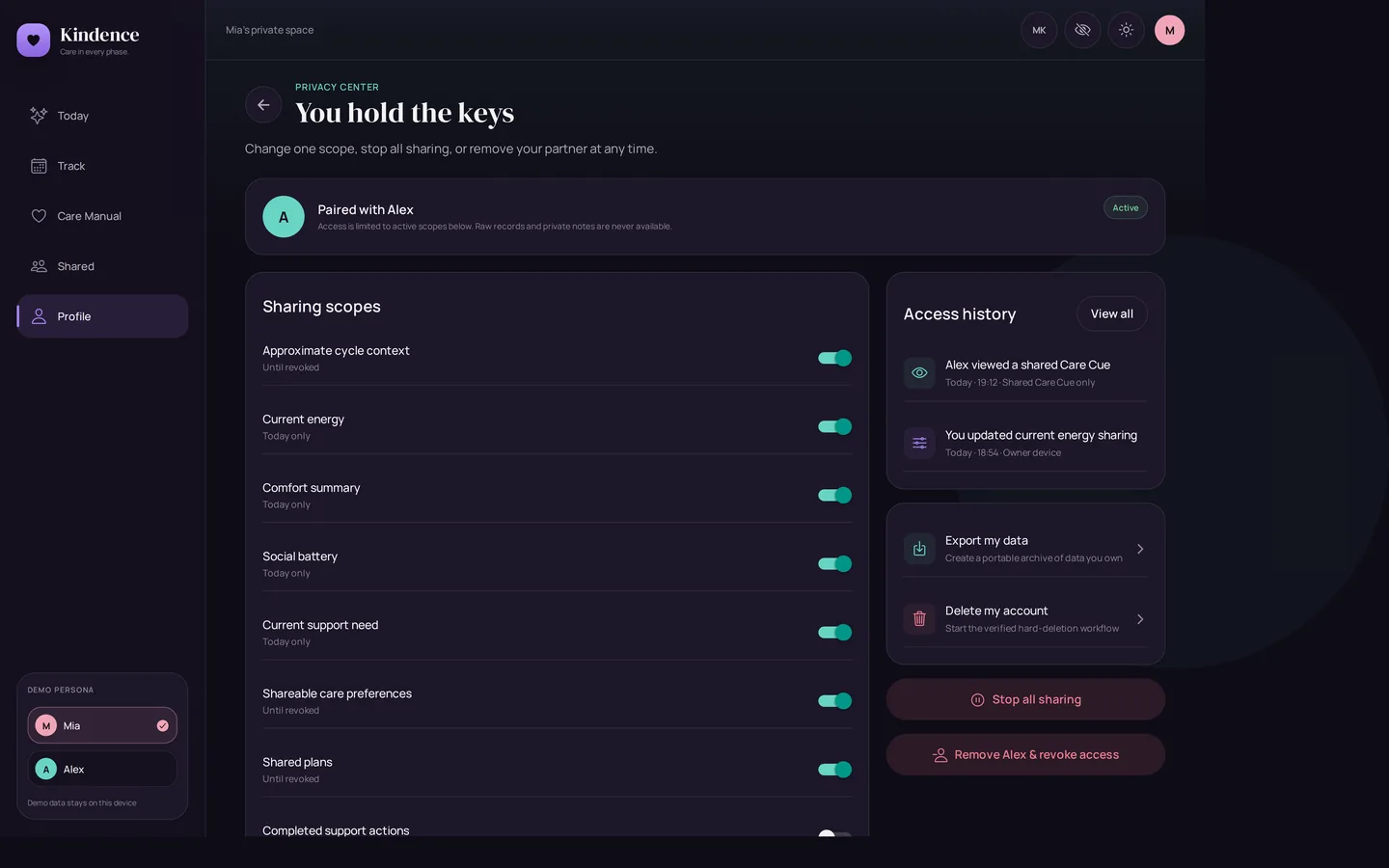
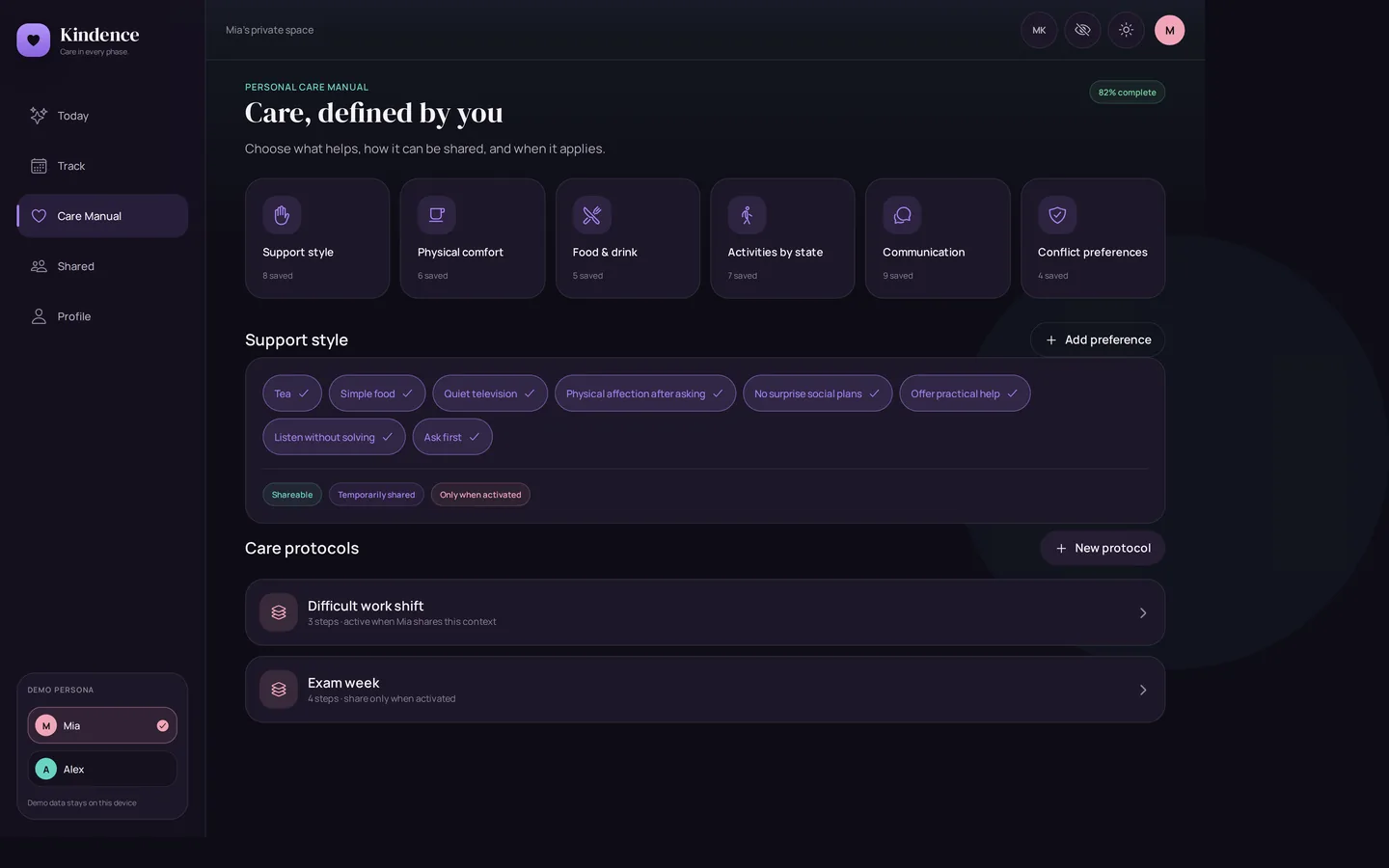
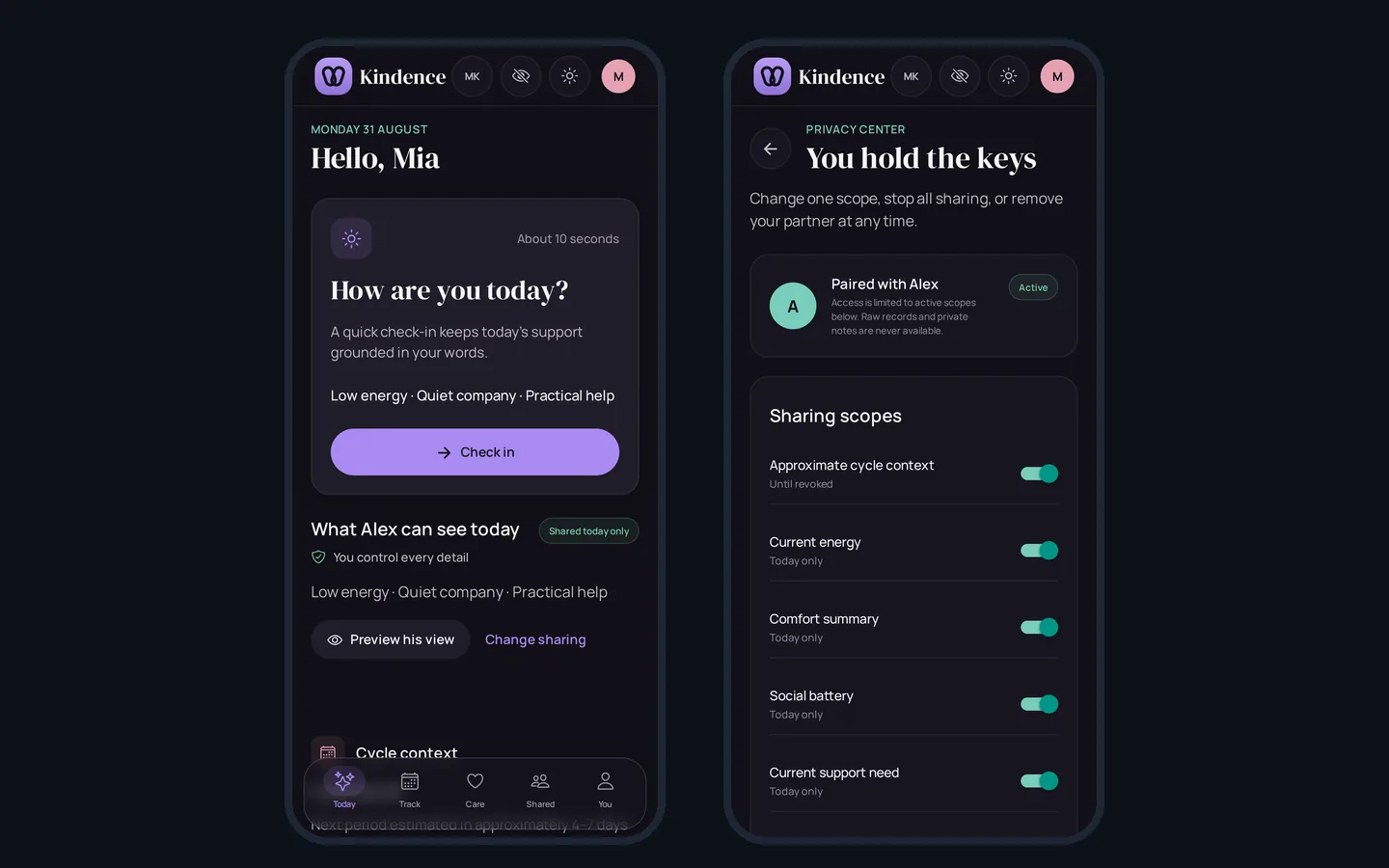
Kindencedefiningnot useddefiningnot usedsupportingnot useddefiningdefiningnot usedsubstantialTypeScript & ReactDatabasesTesting
Cardiographdefiningnot usedmajordefiningsubstantialnot usedsubstantialnot usednot usedsubstantialTypeScript & ReactGraphs & retrievalDatabases
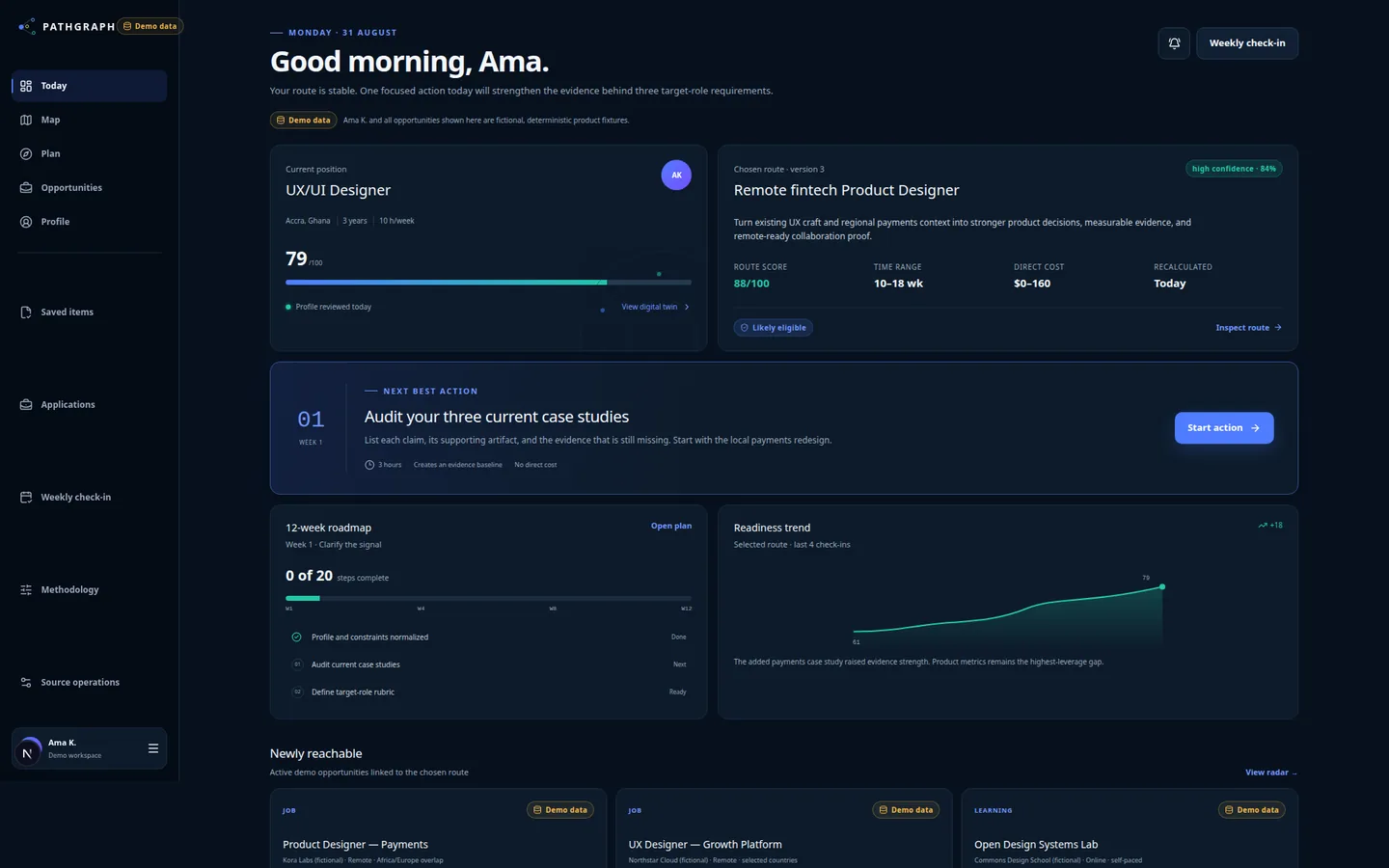
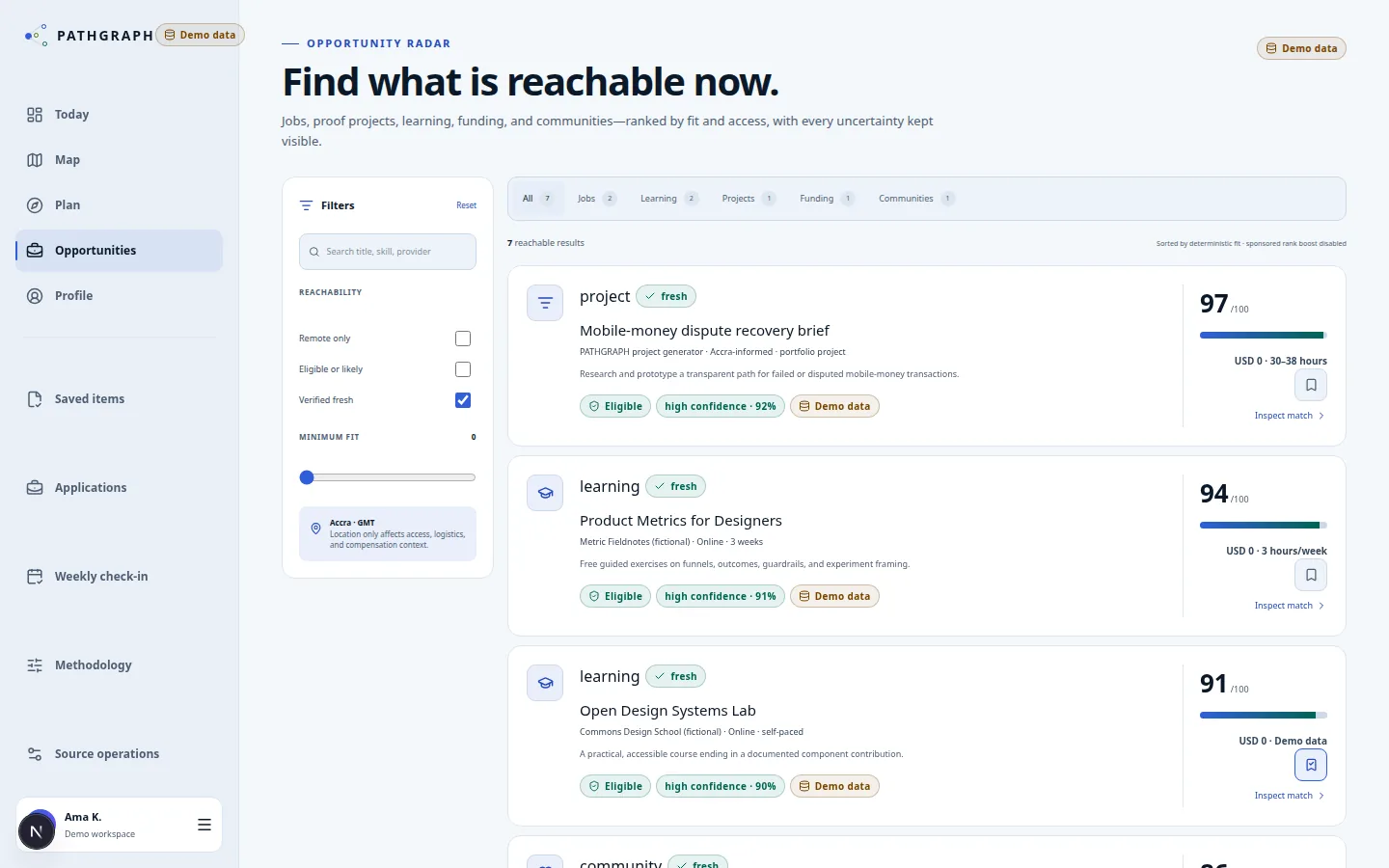
Pathgraphdefiningnot usedsubstantialsubstantialsupportingnot usedmajornot usednot usedsupportingTypeScript & ReactTesting
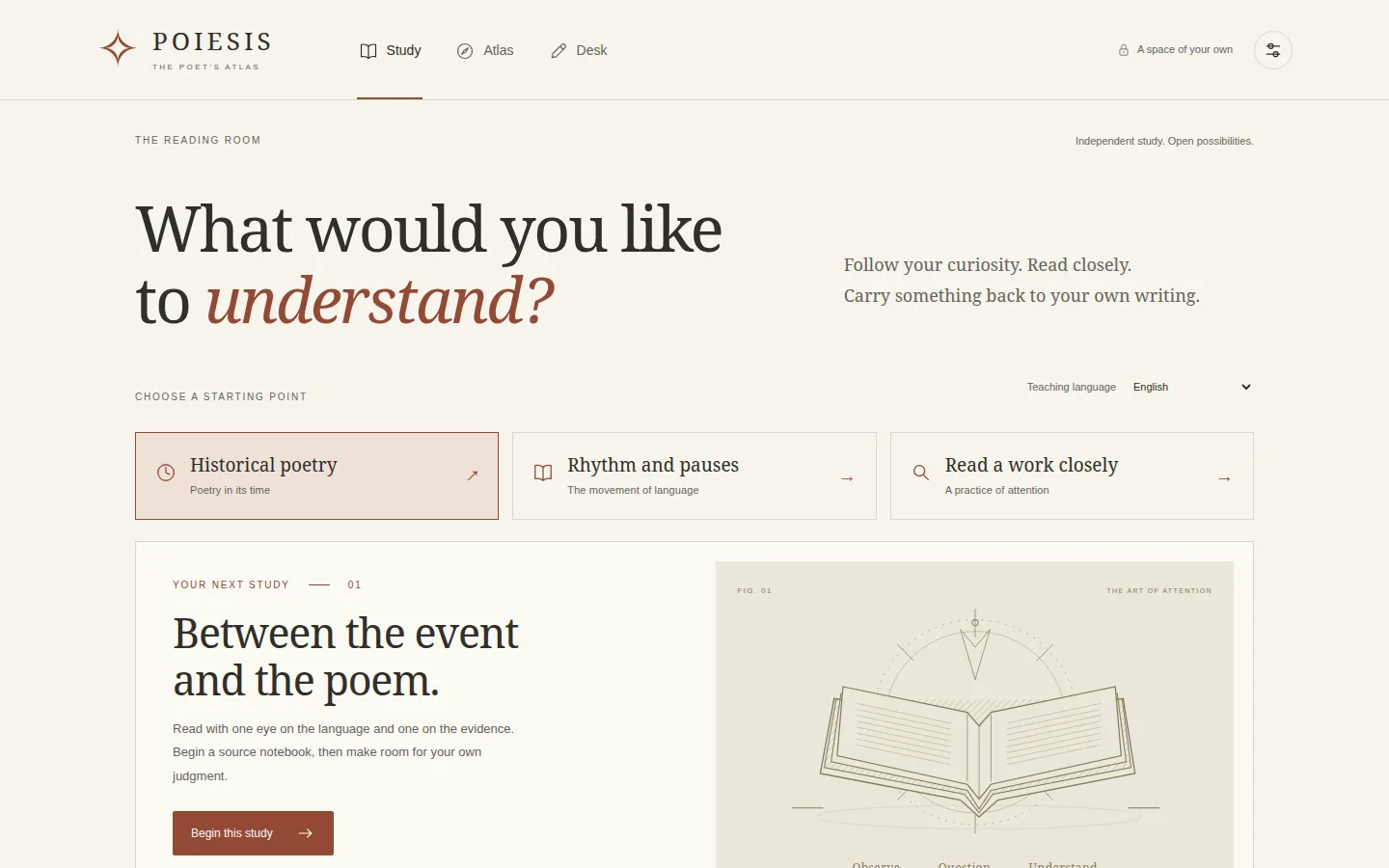
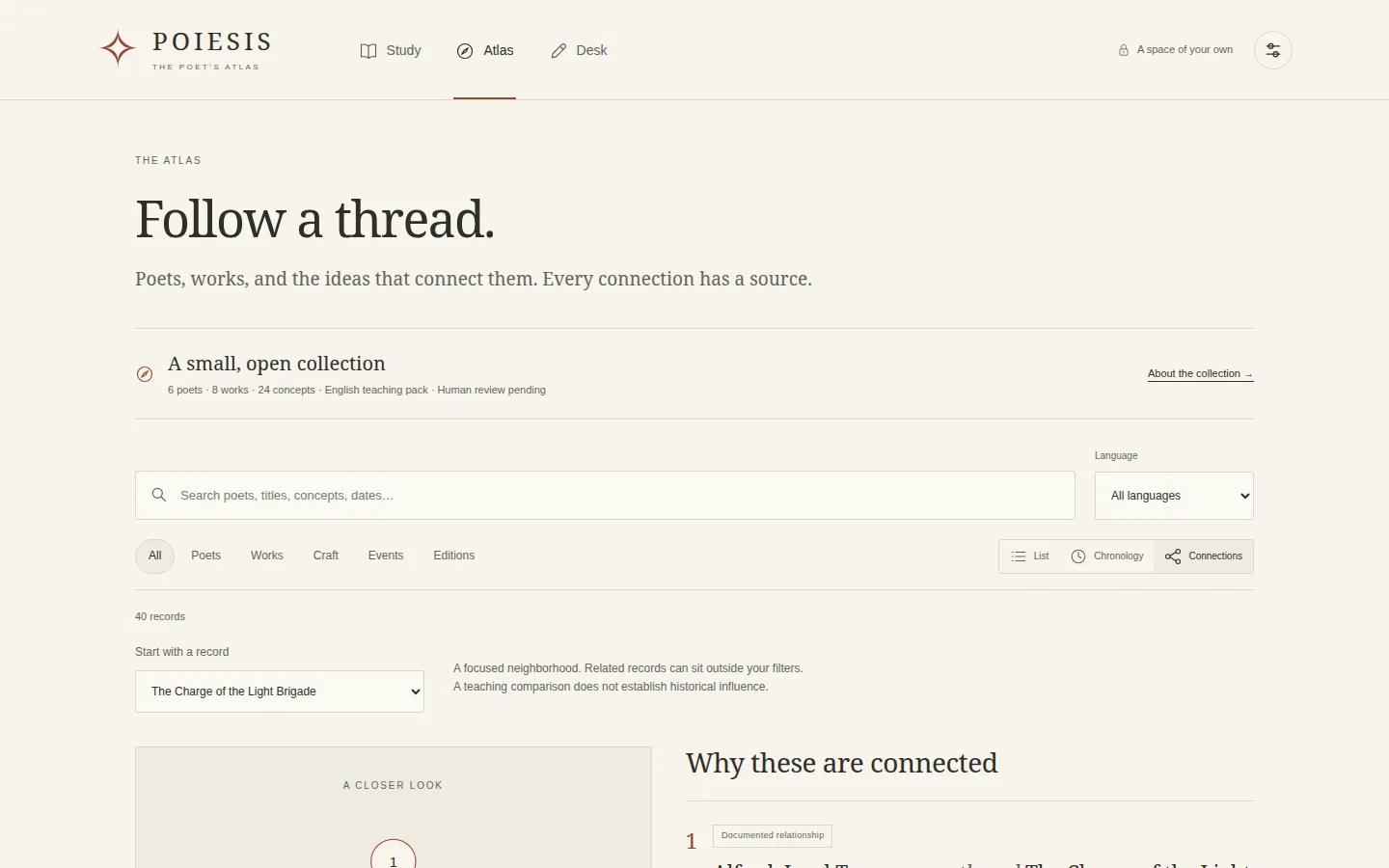
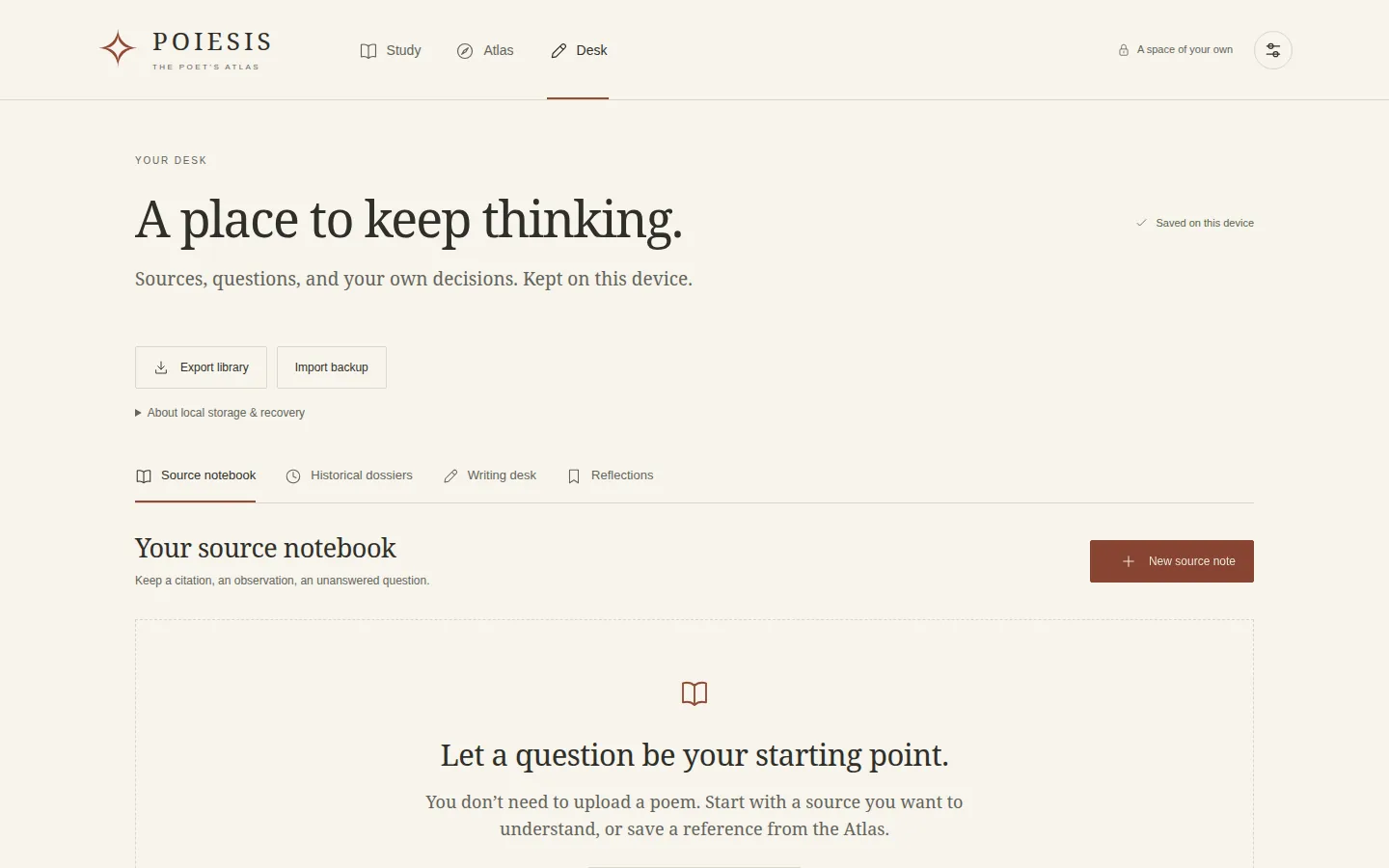
POIESISdefiningnot usednot usedsubstantialnot usednot usedmajornot usednot usednot usedTypeScript & ReactTesting
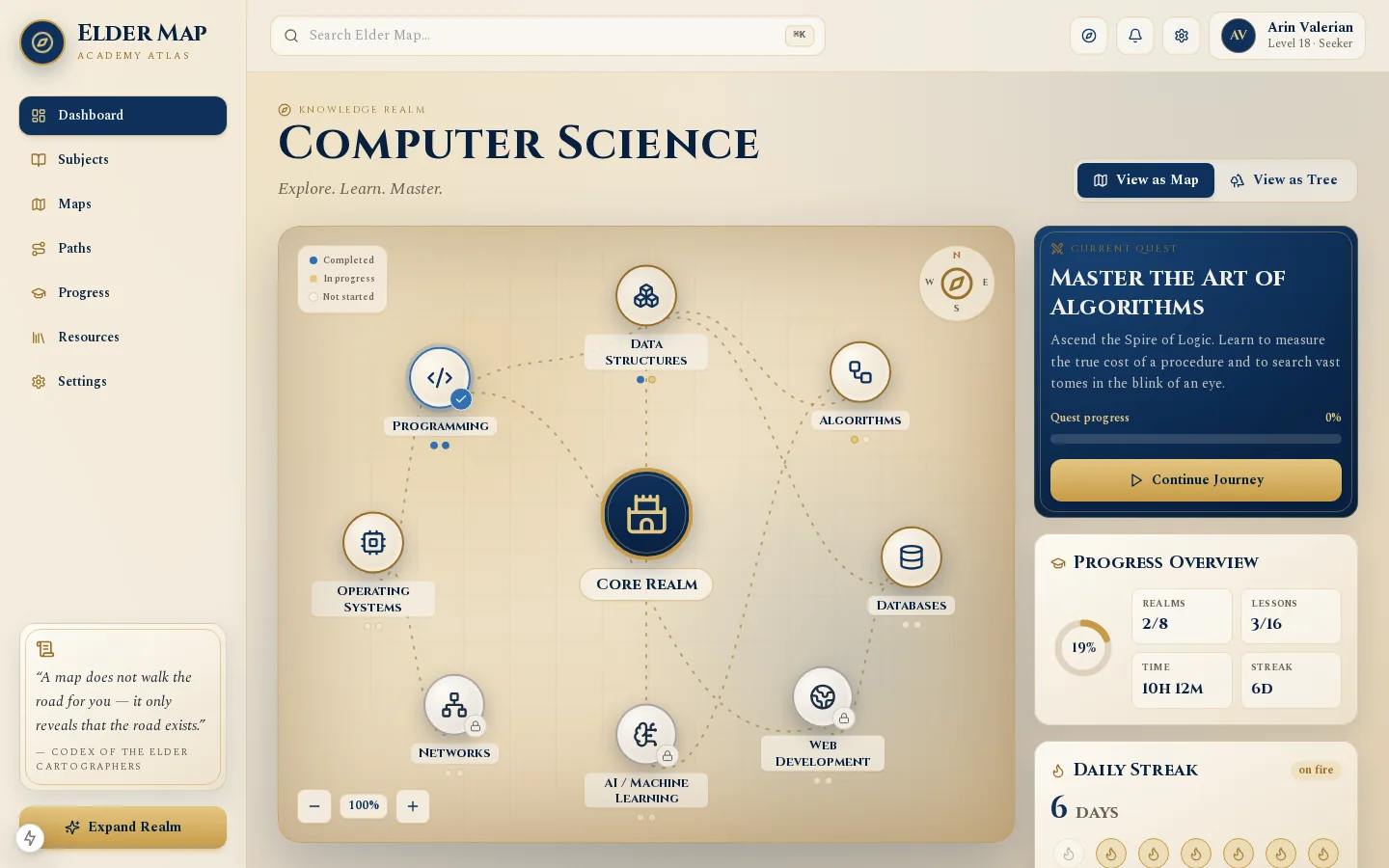
Elder Mapsubstantialnot usednot usednot usednot usednot usednot usednot usednot usednot usedTypeScript & React
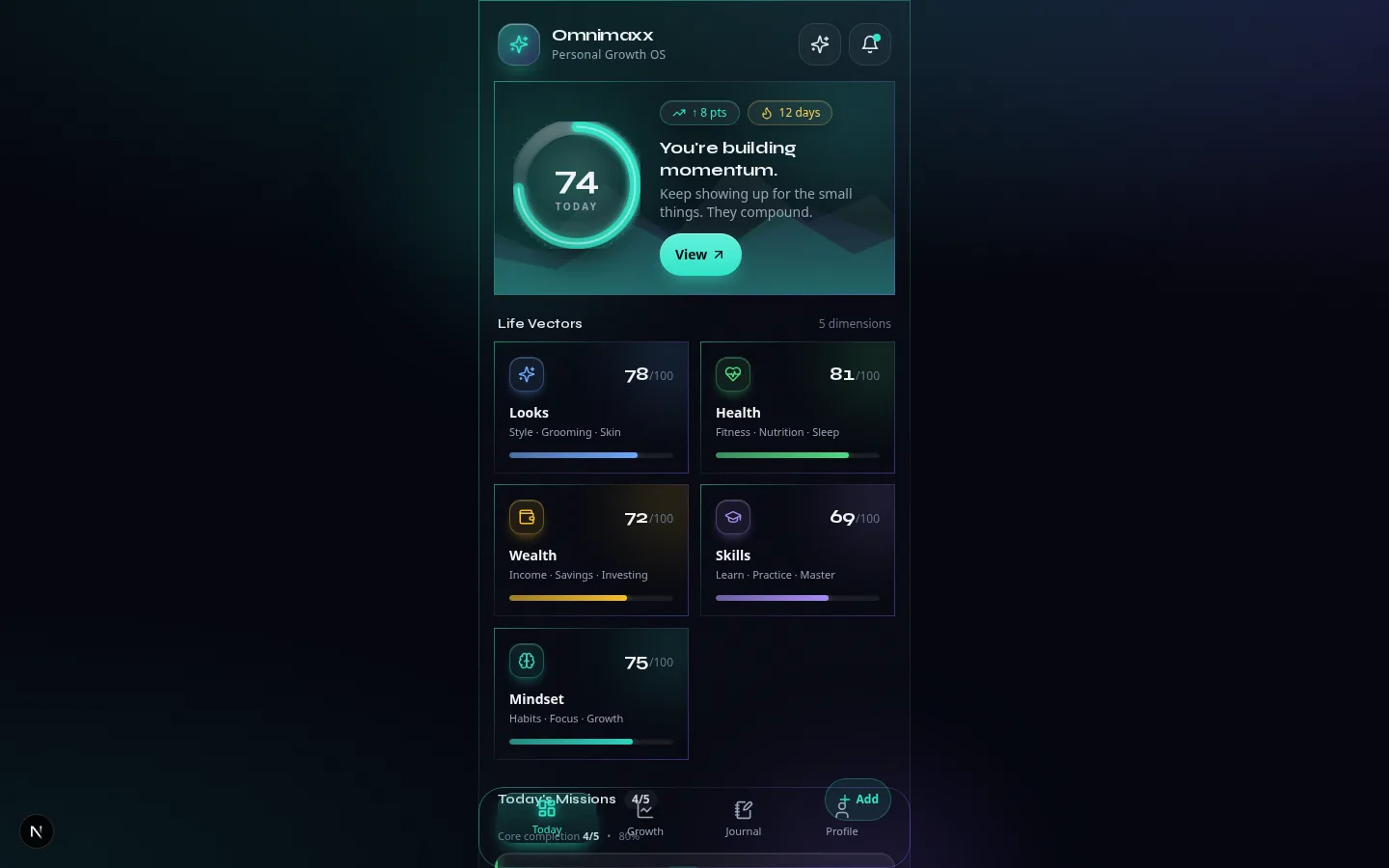
Omnimaxxsubstantialnot usednot usednot usednot usednot usedsupportingnot usednot usednot usedTypeScript & React
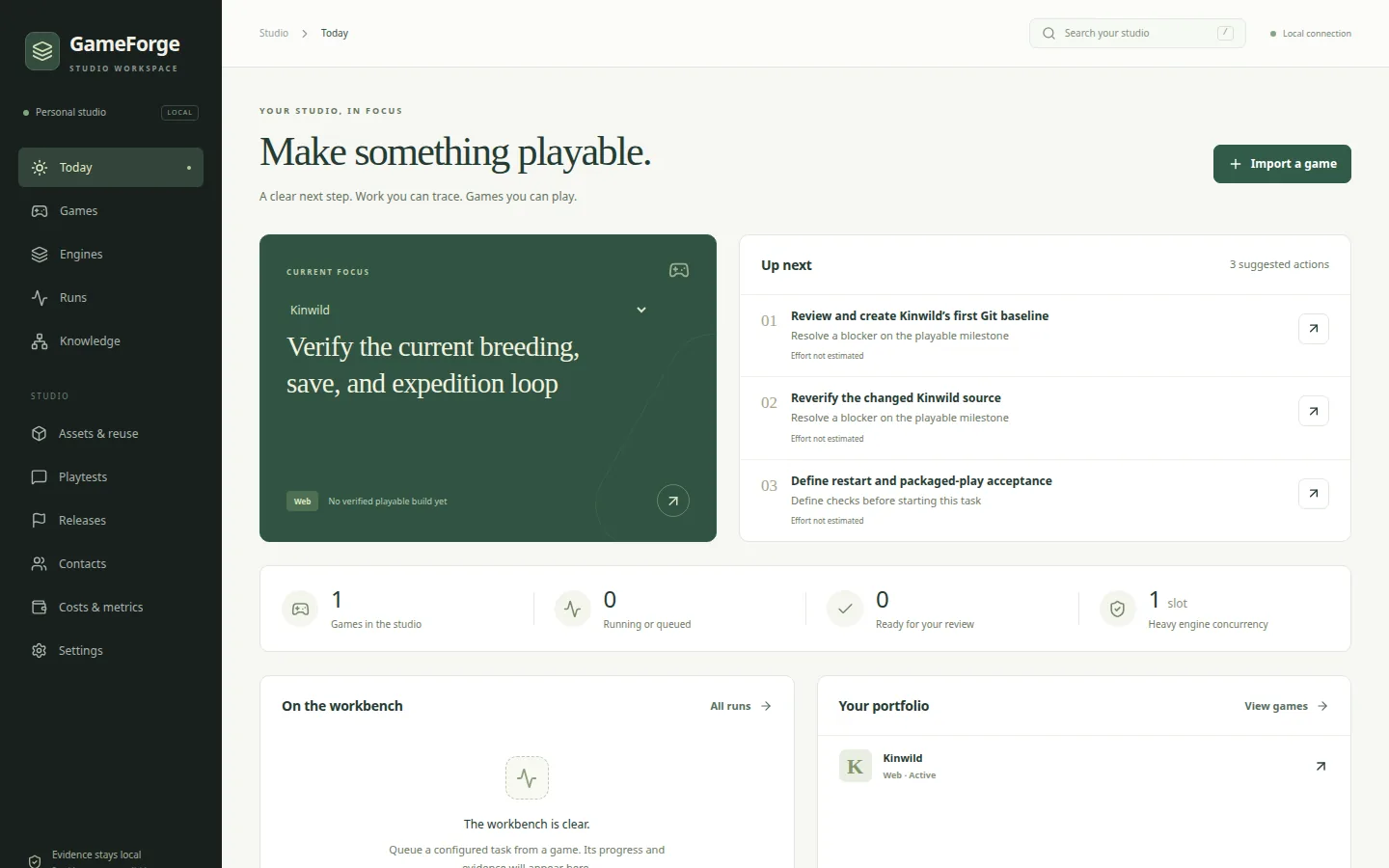
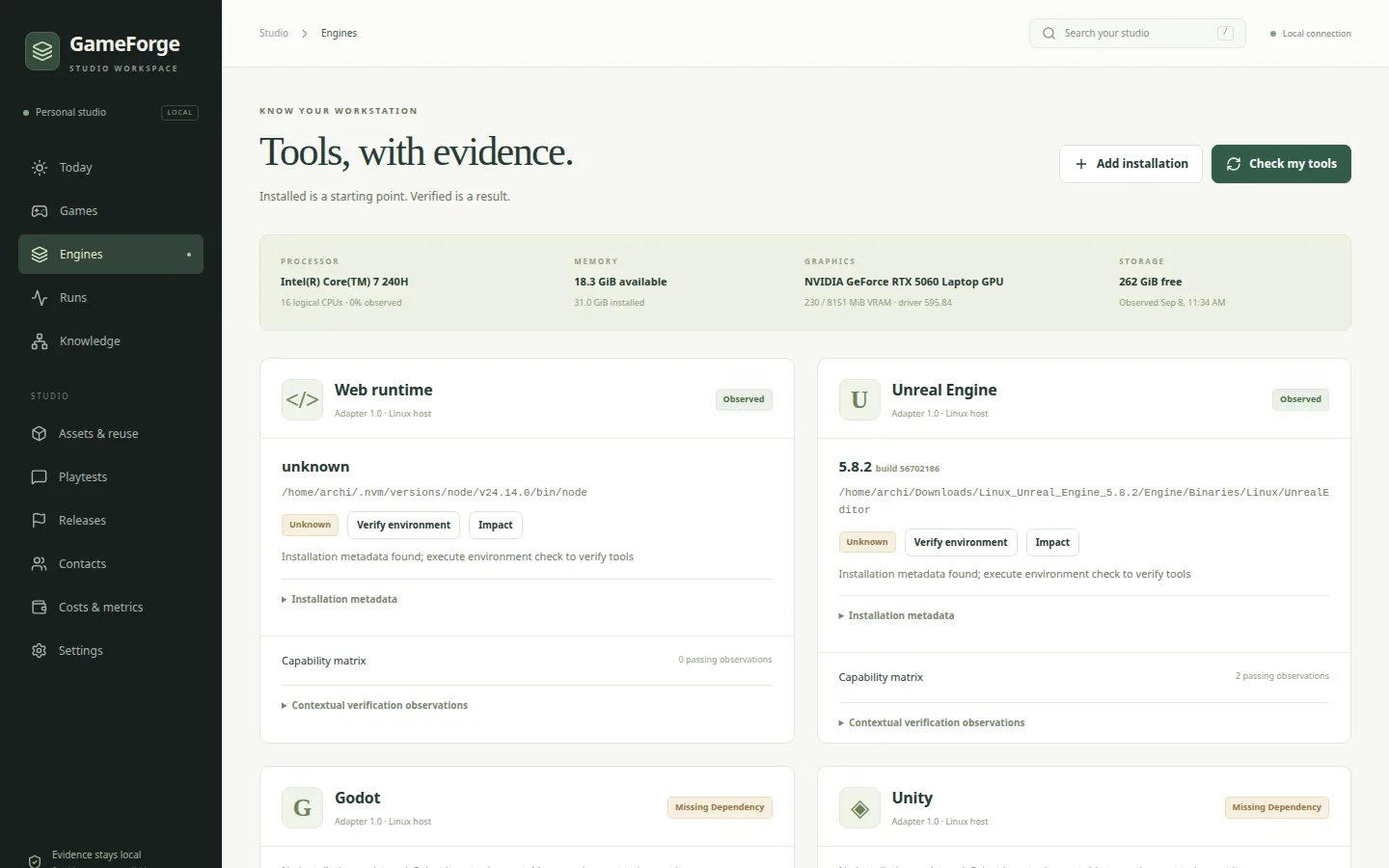
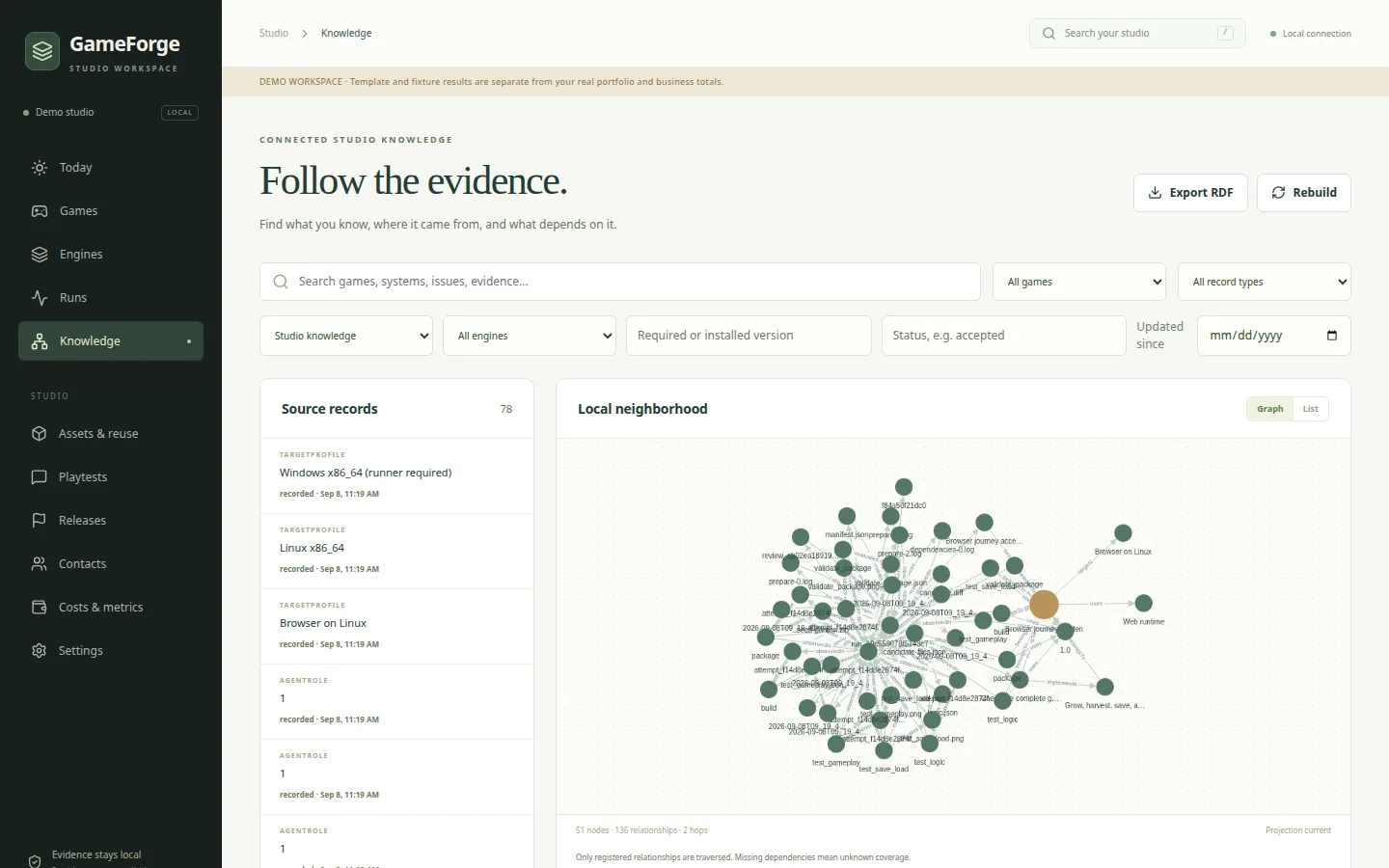
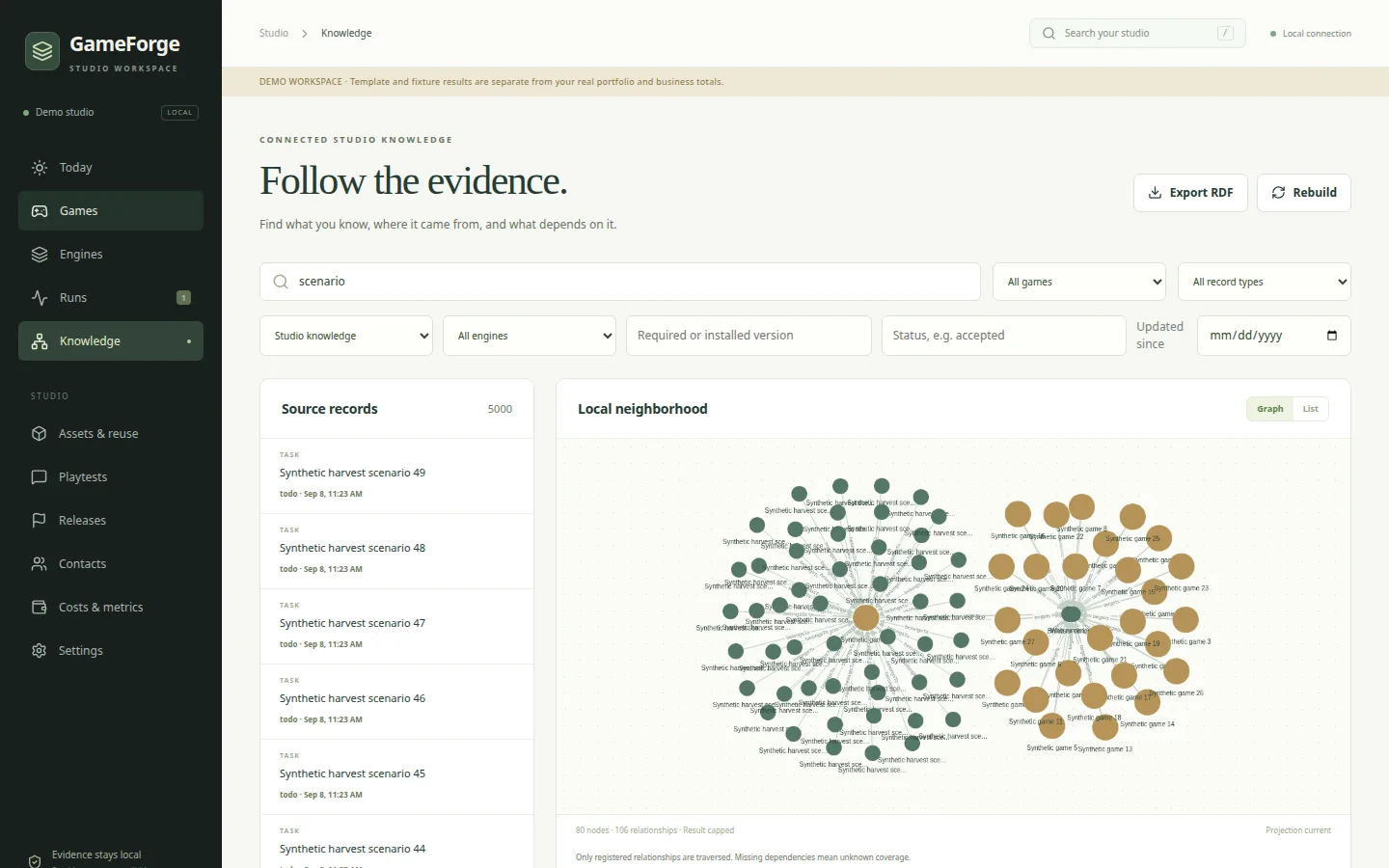
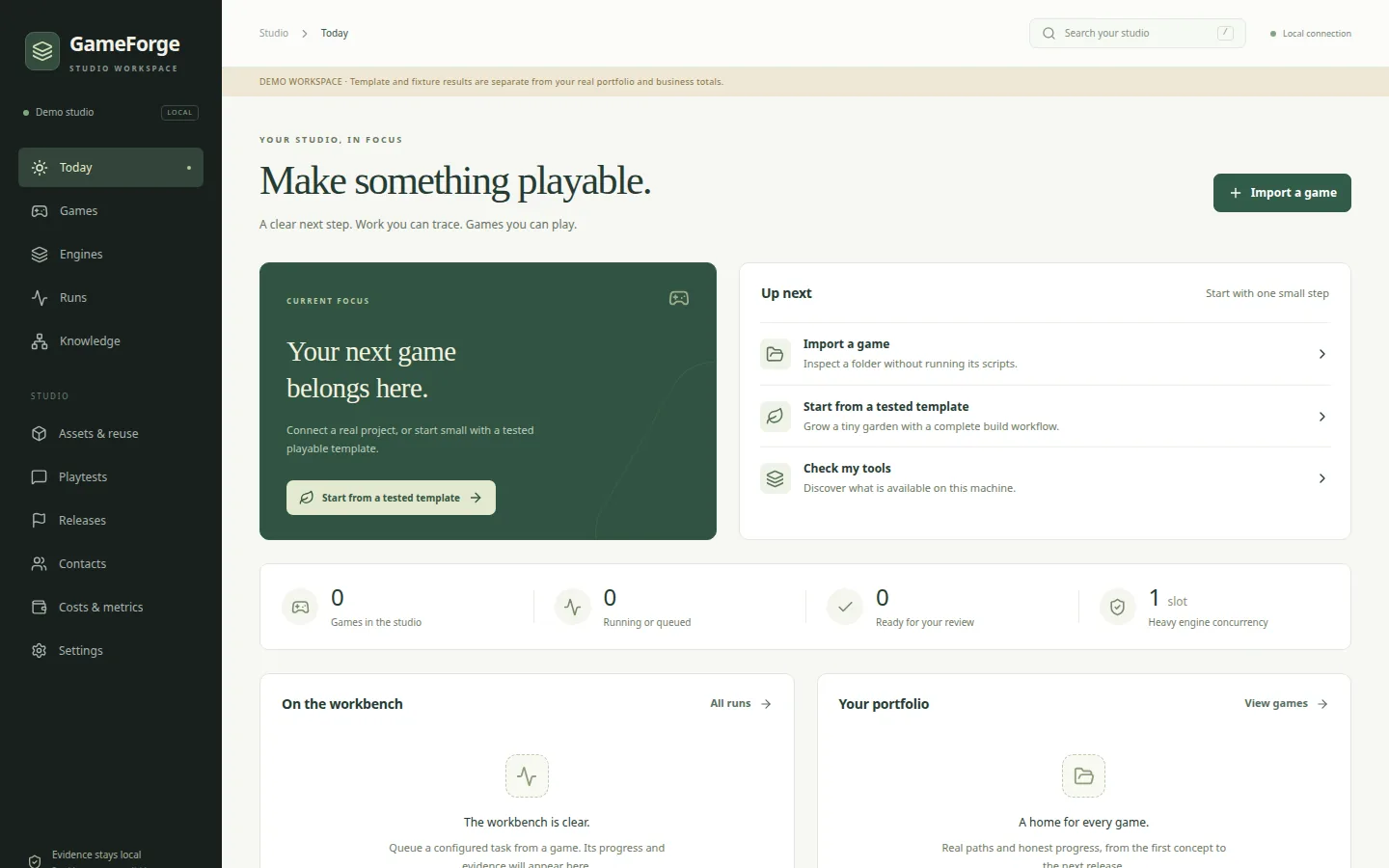
GameForge Hubsubstantialdefiningmajordefiningsubstantialnot useddefiningnot usednot usedmajorPythonGraphs & retrievalTesting
WILDVEILdefiningnot usednot usednot usednot useddefiningdefiningnot usednot usednot usedTypeScript & React3D & enginesTesting
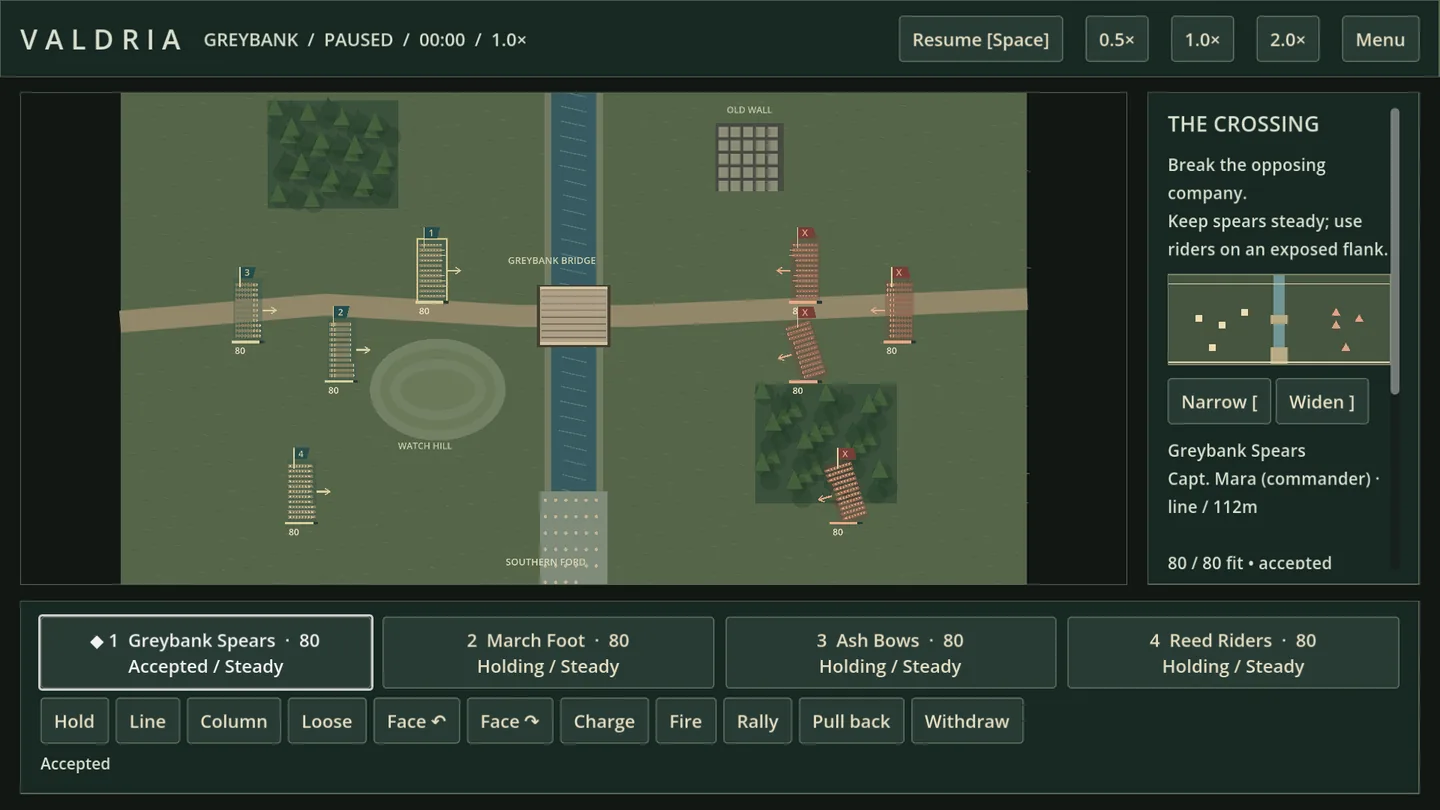
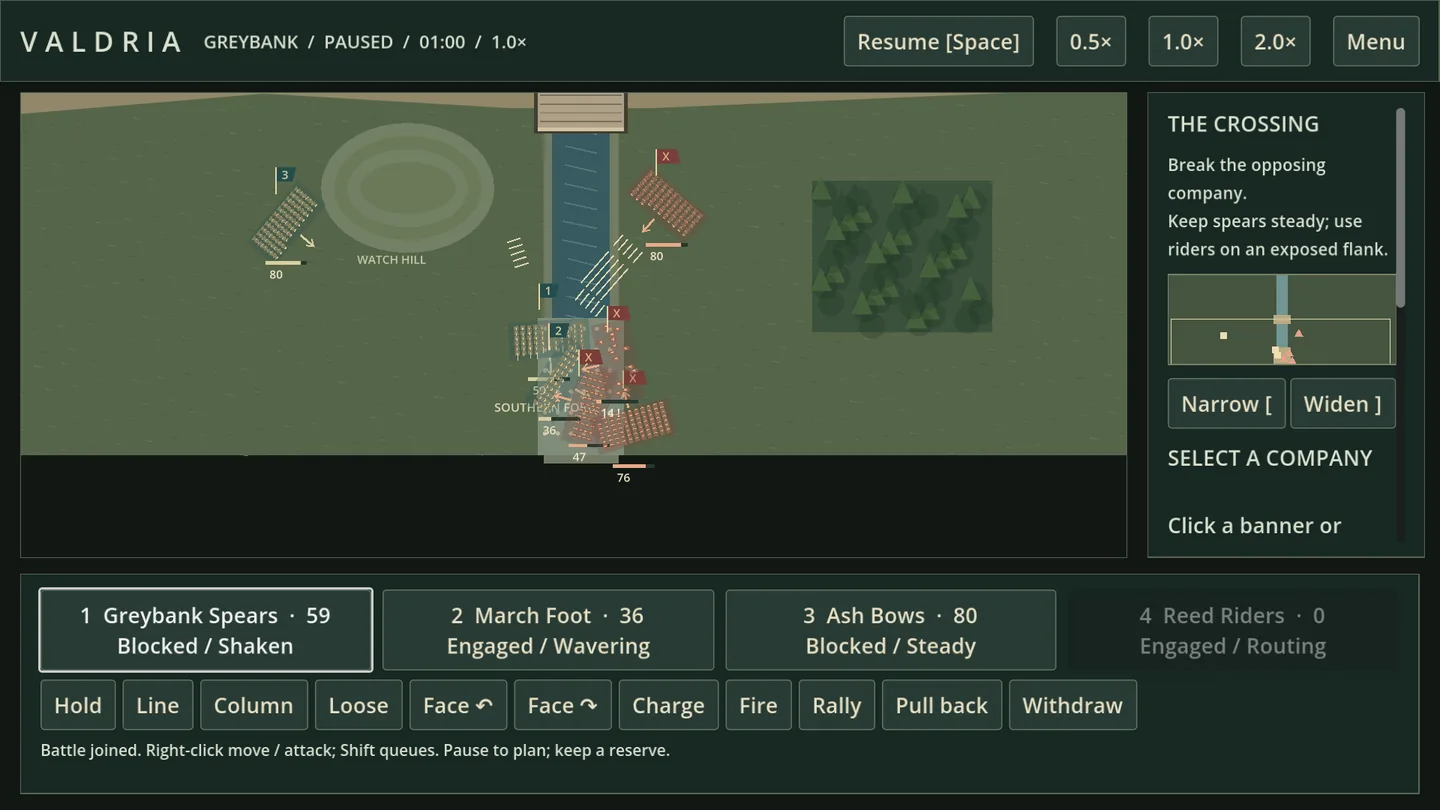
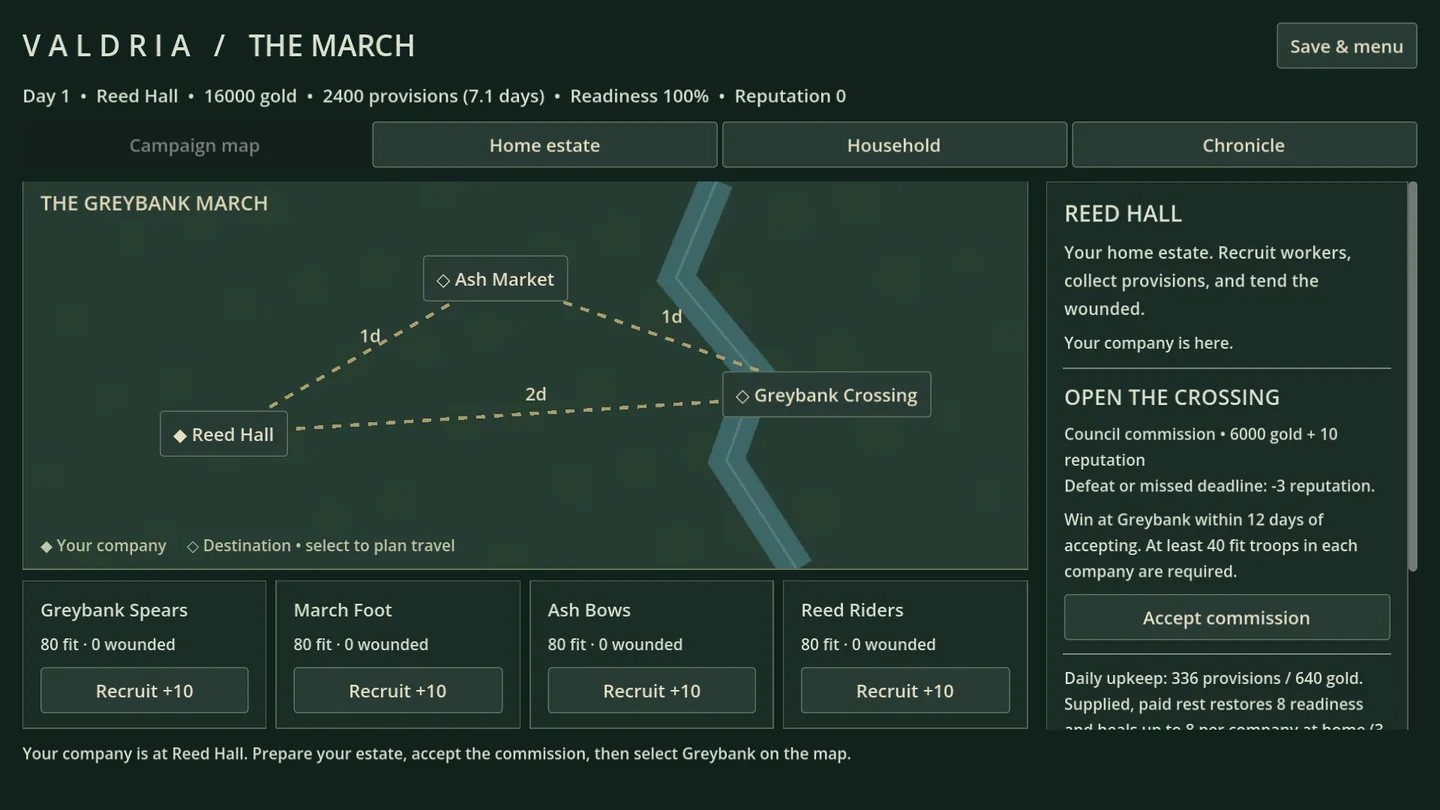
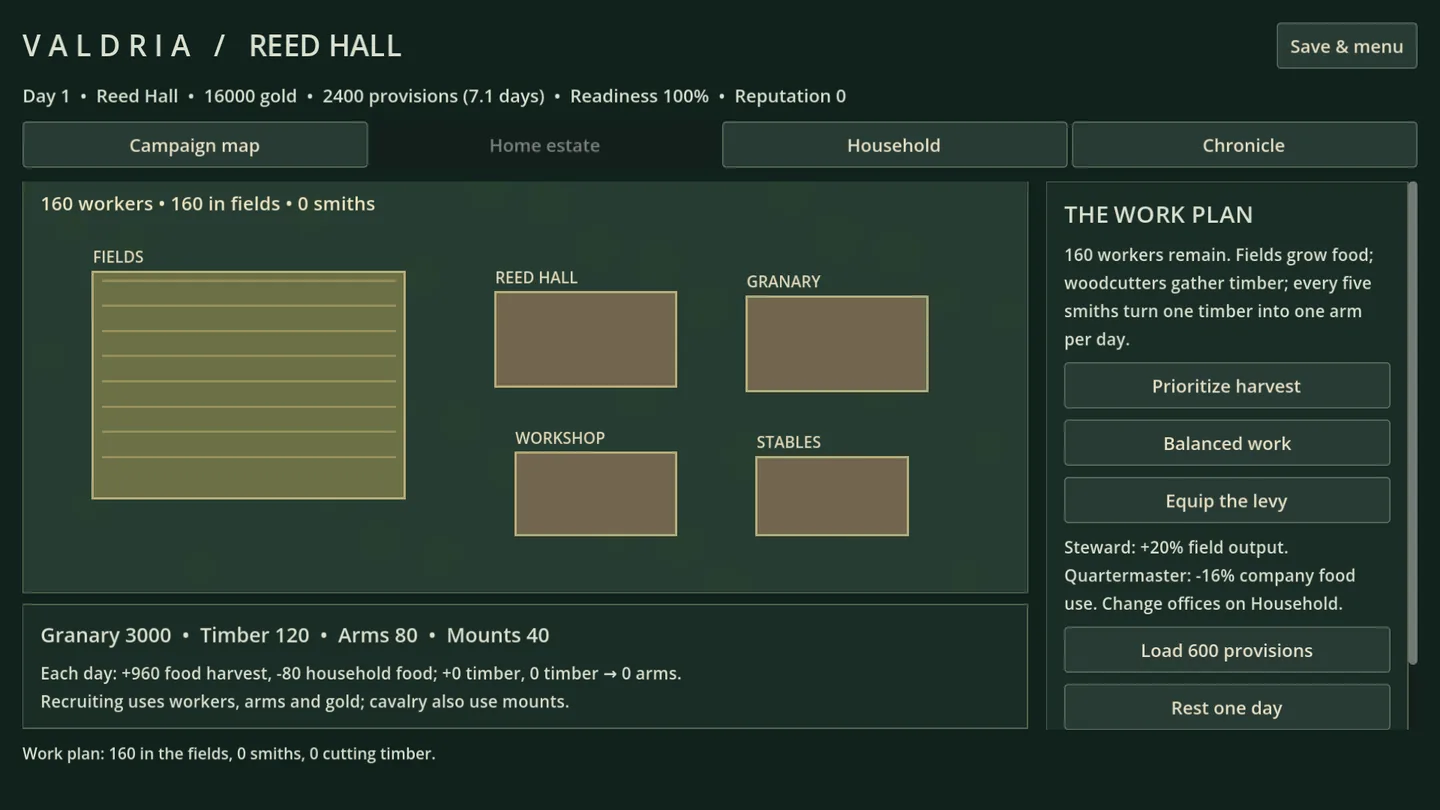
Valdrianot usednot usednot usednot usednot useddefiningdefiningnot usednot usednot used3D & enginesTesting
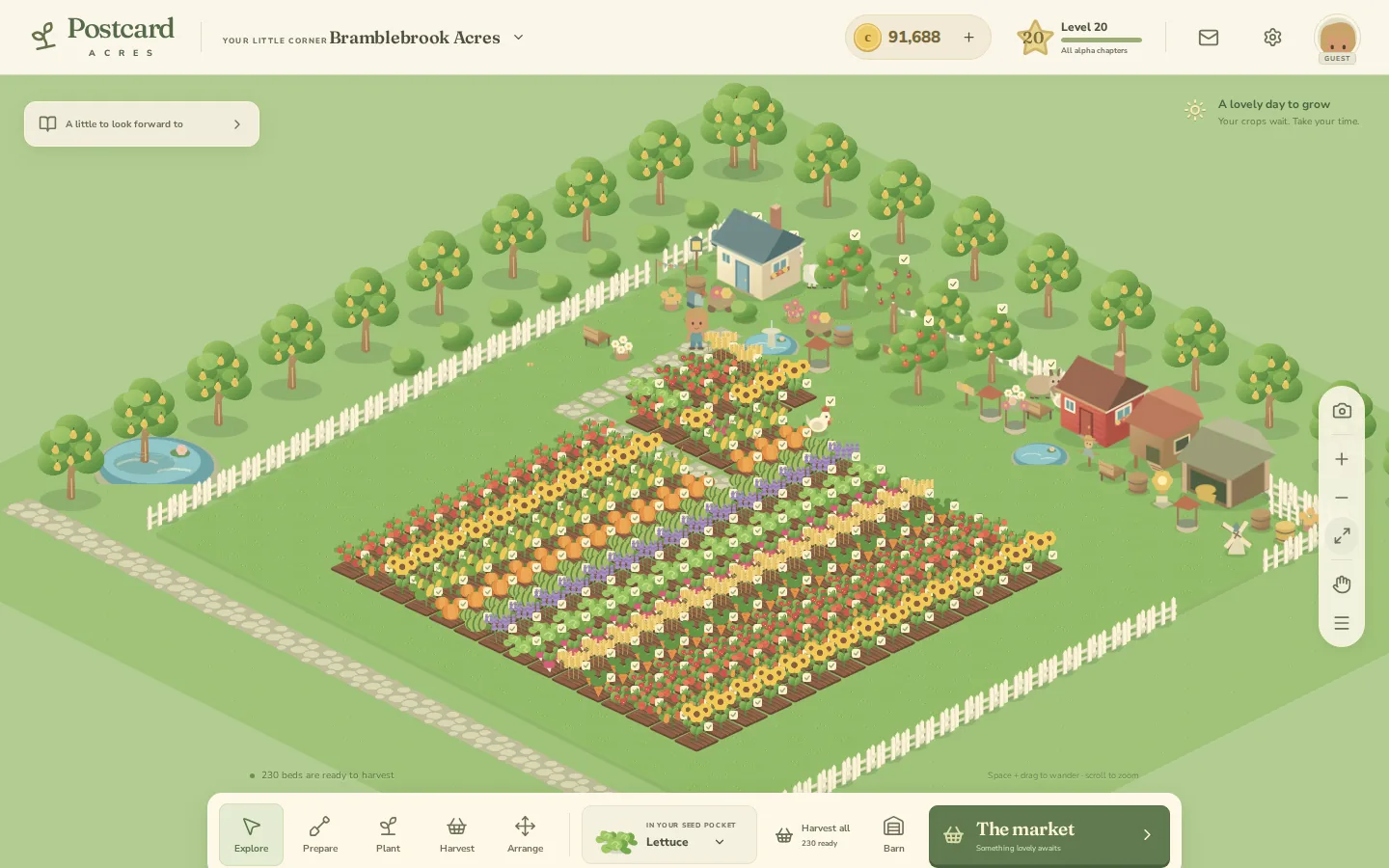
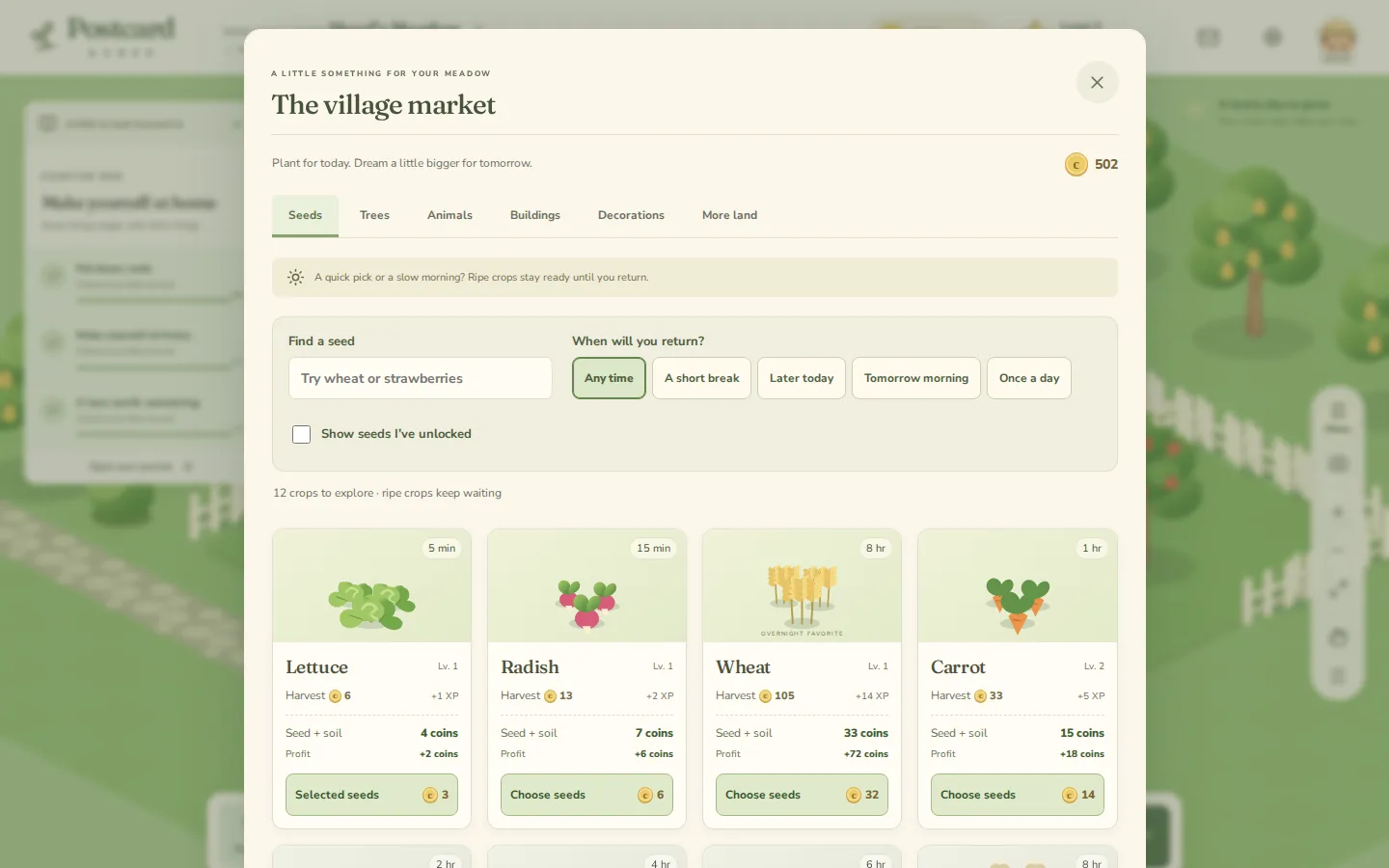
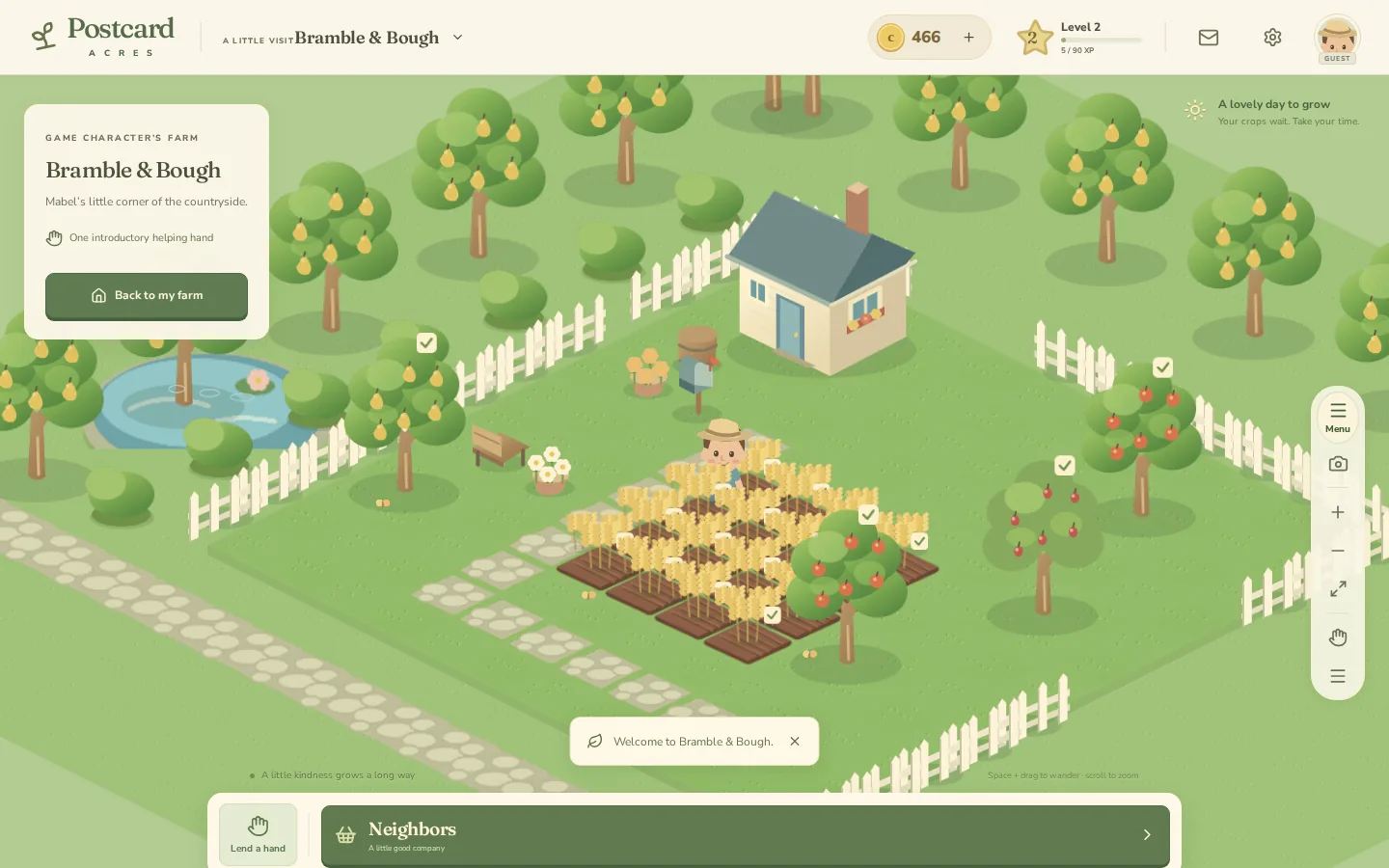
Postcard Acresdefiningnot useddefiningnot usednot usedsupportingdefiningnot usednot usedmajorTypeScript & ReactDatabasesTesting
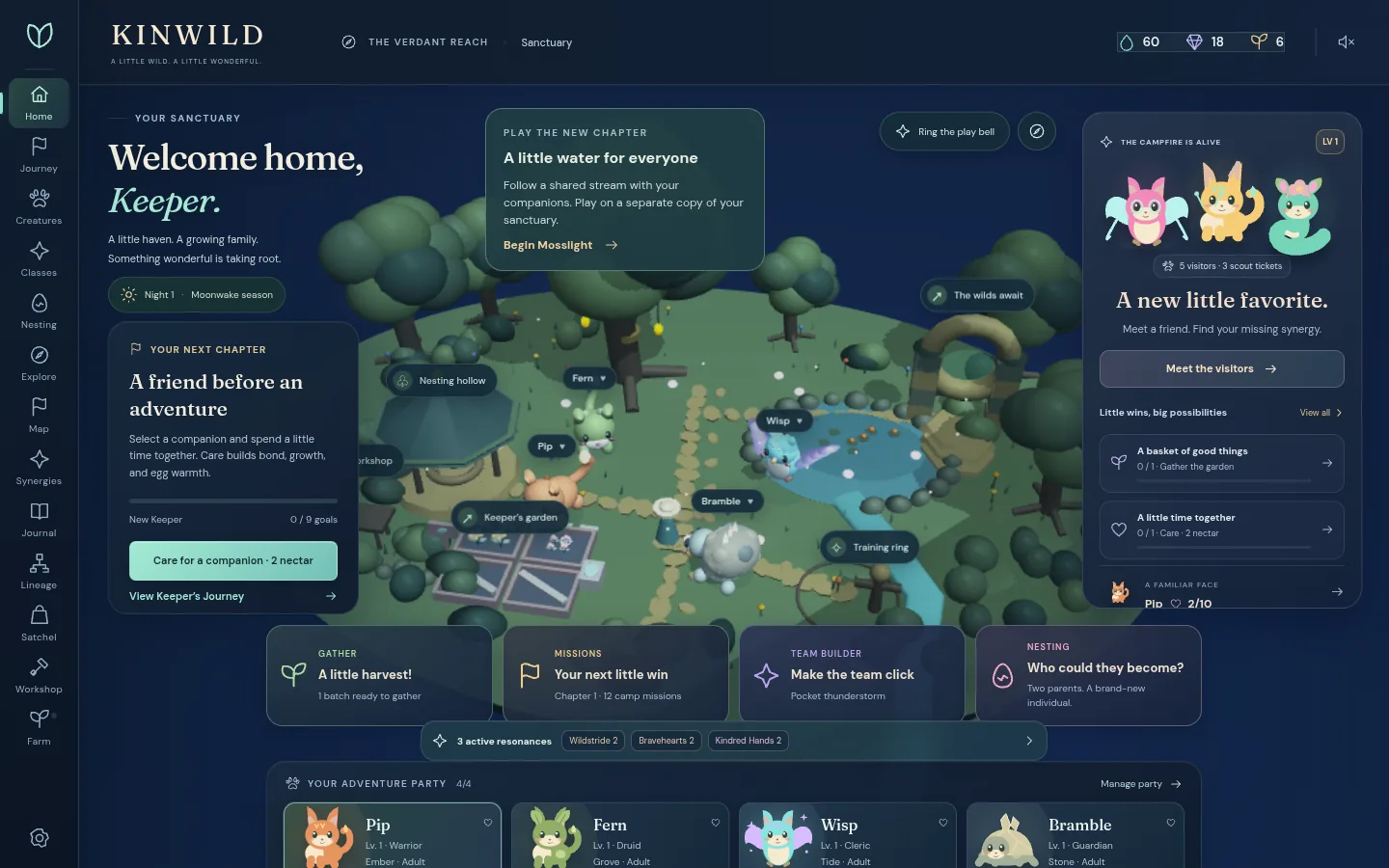
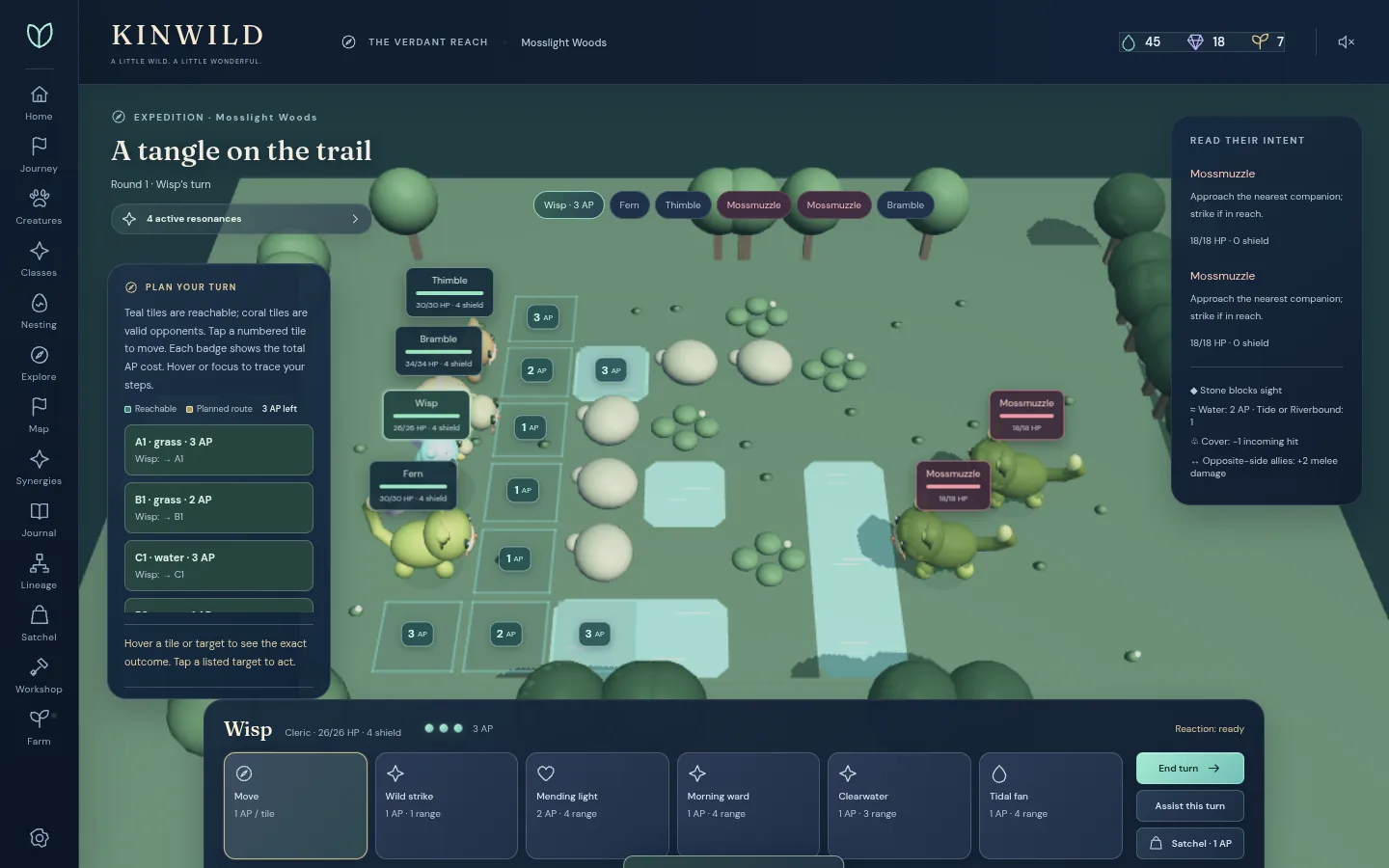
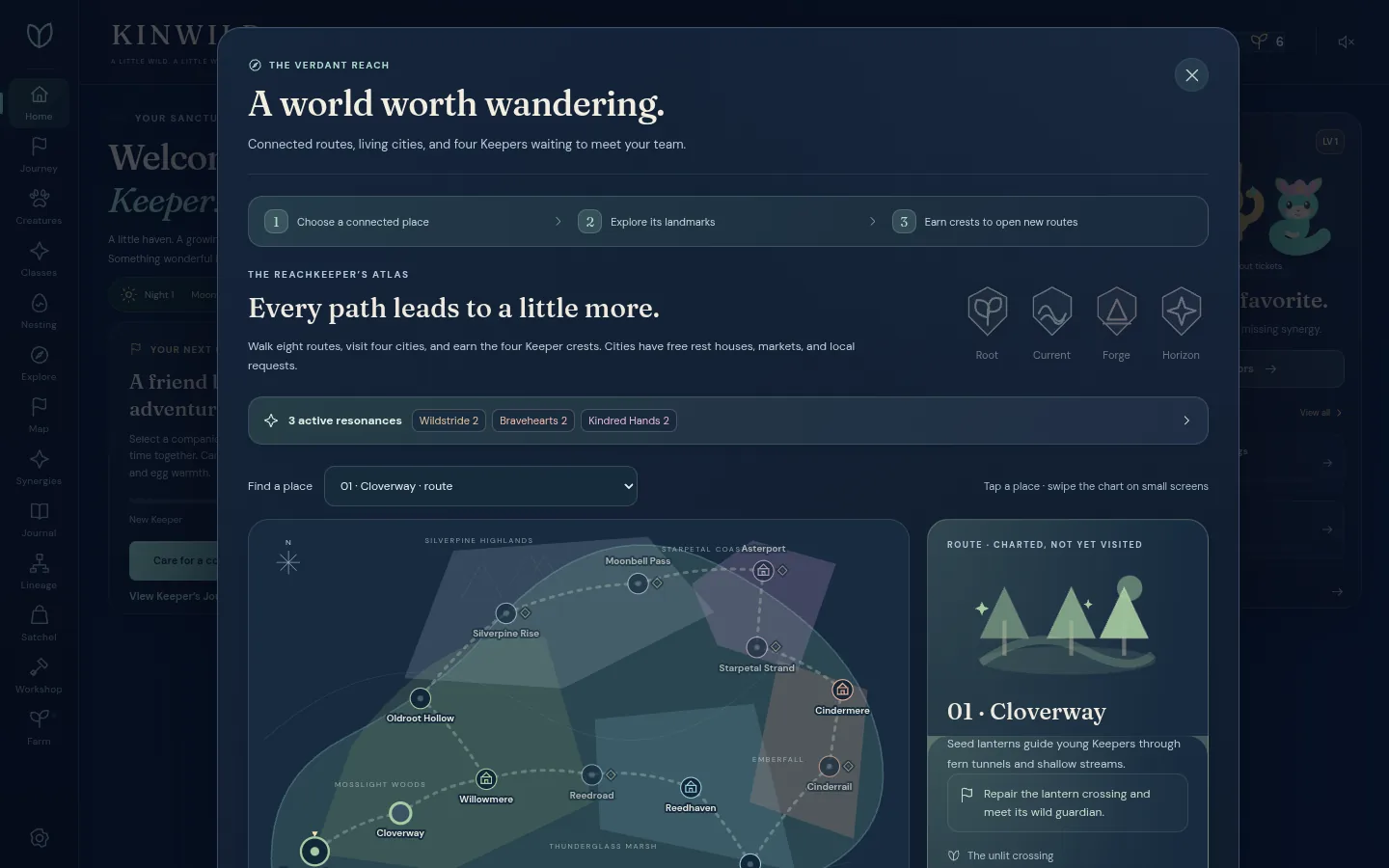
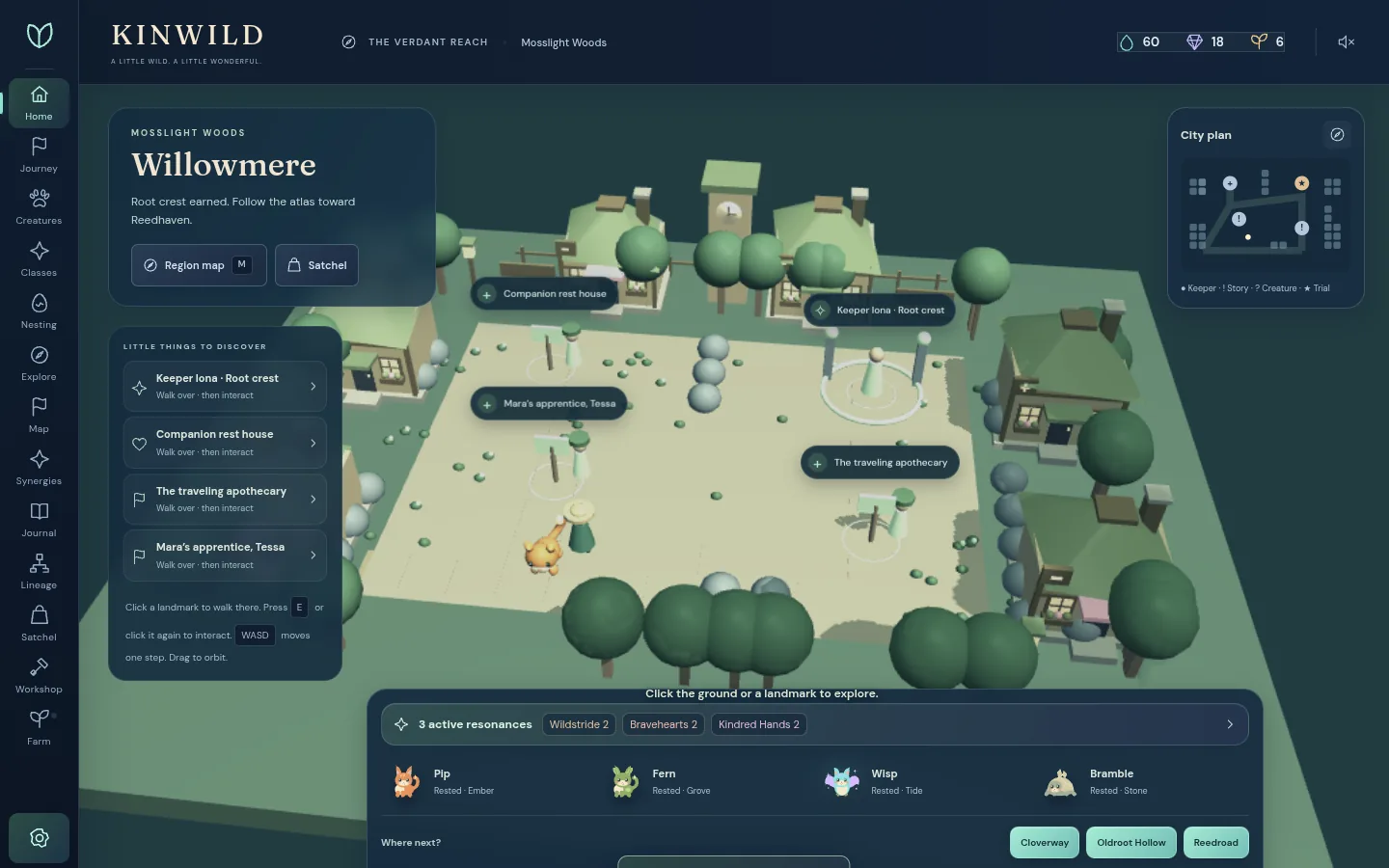
Kinwilddefiningnot usednot usednot usednot useddefiningdefiningnot usednot usednot usedTypeScript & React3D & enginesTesting
The Thirteenth Belldefiningnot usednot usednot usednot useddefiningdefiningnot usednot usednot usedTypeScript & React3D & enginesTesting
Archē codicessupportingnot usednot usednot usednot usedsubstantialnot usednot usednot usednot used3D & engines
Autoresearch experimentsnot usedmajornot usednot usednot usednot usednot usednot useddefiningnot usedML & sciencePython
Guardian pipeline (Umanitek)not useddefiningsupportingdefiningdefiningnot usedsubstantialnot usedsubstantialmajorPythonGraphs & retrievalLLM guardrails
Librisdefiningnot usedmajormajormajornot usedsupportingnot usednot usedmajorTypeScript & ReactDatabasesGraphs & retrieval
VERITASdefiningnot usedmajornot usedmajornot usedmajornot usedsubstantialsupportingTypeScript & ReactDatabasesLLM guardrails
Zborkomajornot usedsubstantialnot usedmajornot usednot usednot usednot usedsupportingTypeScript & ReactLLM guardrails
BirdCLEF 2026not usedmajornot usednot usednot usednot usednot usednot usedmajornot usedPythonML & science
Projects using3223 major or defining87 major or defining1812 major or defining117 major or defining149 major or defining86 major or defining2416 major or defining43 major or defining84 major or defining188 major or defining

Selected work

Five systems in depth: the problem, the build, the stack, the screens and the evidence.

Stages Launched: real product or public deliverable exists Working prototype: runnable artifact, adoption not established Active build: implementation underway Research direction: method defined, results pending Delivered: employer or client work, shipped internally Concept or parked: idea, pitch or scaffold only
01Working prototypeOperational and physical systems

AirGo Control Tower

One operational truth for an airport-parking operator whose bookings, vehicle locations, shuttle transfers, wash work, and payments lived in disconnected sources.

  • ProblemStaff near Skopje airport reconciled cars, guests, and money by hand. Nobody could answer "where is this car and is it paid" from one screen.
  • Built
    • A Today queue ranked by urgency and wait, a 3D and 2D digital twin of the lot, transfer dispatch, service boards, and a deterministic, permission-scoped copilot.
    • Every command runs in one transaction that writes state, a domain event, a replay snapshot, and an audit row.
    • Six roles are scoped on the server.
    • A PWA shell keeps an 8-hour offline snapshot and queues commands until the API returns.
  • StackReact 18TypeScriptViteThree.js WebGL2Node + SQLitePlaywrightnode:test
  • Evidence
    • 33 end-to-end checks and 21 server tests passing on desktop and mobile viewports, eight seeded scenarios, performance and scenario-run logs, 32 evidence screenshots.
    • Runs locally on synthetic data.
Event-sourced commandsState, domain event, replay snapshot and audit row in one transaction.
Six scoped rolesDrivers, service staff and customers each see only their slice.
Offline-first shellEight-hour snapshot and a command queue when the site loses connectivity.

Prototype and architecture only. No confirmed commercial deployment. Plate recognition, payments and flight data are modelled but not yet integrated.

Full case study

The situation

A single-site airport-parking business runs a small team across a reception desk, a lot, and a shuttle. The owner wanted staff to stop chasing information and start acting on it. The first version had to work as a local demo with realistic scenarios before any integration was promised.

The constraint

No verified plate-recognition contract, no site survey, no production identity provider, and a bilingual (Macedonian and English) operator base. The system could not be allowed to actuate hardware, execute payments, or call an LLM in this phase.

The system

React front end with a dynamically loaded WebGL2 twin (instanced meshes, SVG and list fallbacks). A small loopback-only Node server with native SQLite holds snapshots, commands with dedup receipts, sessions, an append-only audit table, and a bounded relay inbox that stands in for an edge device. Clients poll state every three seconds with an epoch and version, so unchanged state costs nothing.

My contribution

  • Domain model that keeps booking, check-in, provider-observed entry and exit, planned versus actual bay, payment, task and trip as separate lifecycles.
  • Server-side role scoping: drivers see assigned parties, service staff see tasks without payments, customers see only their visit.
  • Money as integer minor units with MKD and EUR kept separate and no implicit exchange rate.
  • Deterministic seeded fixtures and eight named scenarios so every demo and test run is reproducible.

Evidence

Unit, server and end-to-end suites all green as of 10 September 2026. Performance and scenario-run JSON captured under the project's evidence folder. Screens in the gallery are from that run.

What remains

  • Full-JSON snapshot per commit is simple but needs relational persistence before multi-site use.
  • Macedonian translation incomplete; 3D view drops below 30 fps at 500 records on a software GPU.
  • Customer and vehicle deduplication, tariffs and no-show handling are not built.
  • On-site observation with the operator is planned for October 2026 and has not happened yet.

What I learned

Modelling "the system believes the car is here" separately from "a provider observed the car" removed a whole class of reconciliation bugs before they were written. The audit row is the product.

02LaunchedAI and knowledge systems

MakedonskaDrzava.com

A digital heritage library for a low-resource language, with retrieval-augmented answers grounded in a curated corpus instead of a model's guesswork.

  • ProblemMacedonian literary and historical texts are scattered, rarely digitised, and nearly invisible to search engines and language models. Readers asking "what did Misirkov argue in 1903" get thin or wrong answers.
  • Built
    • Co-founded and built the full site: catalogue, author pages, multi-language interface, CDN delivery, and a chat assistant that retrieves over a semantic corpus of about 300 books and 280 authors.
    • Retrieval combines embeddings with symbolic metadata (author, genre, period) so answers cite where they come from.
  • StackNext.jsReactEmbedding retrievalMetadata filtersCDNMulti-language
  • Evidence
    • Live and public.
    • The catalogue currently lists 283 books across 12 languages and 222 authors.
    • The chat assistant ships in the production bundle.
Grounded answersEmbeddings find candidates; author, genre and period metadata re-rank and cite.
Twelve languagesCatalogue and interface serve readers across the diaspora.
Scan-heavy deliveryCDN configuration for image-heavy historical scans on mobile.
Full case study

The situation

A cultural project with a public audience needed a library that scholars, students and the diaspora could actually search, in Macedonian and other languages, from a phone.

The constraint

Low-resource language, uneven OCR quality across old scans, and a strong requirement that answers be traceable to a source in the collection rather than generated freely.

The system

Next.js front end with server-rendered catalogue and author pages, a content model for books, authors, genres and periods, and a chat assistant that retrieves passages by embedding similarity and then filters and re-ranks by metadata before answering.

My contribution

  • Full-stack implementation of the site, the content model and the multi-language interface.
  • Retrieval design: embeddings plus symbolic metadata so the assistant can explain which author and period an answer draws on.
  • Deployment and CDN configuration for image-heavy scans.

Evidence

Public site verified live on 14 September 2026 with the chat component present in the shipped bundle. Corpus size (about 300 books, 280 authors) is my own count and is not yet published as a dataset.

What remains

  • Publish a public-safe architecture note.
  • Build a Macedonian retrieval evaluation set (questions with gold passages) and report hit rate and citation accuracy.
  • Audience figures stay off this page until they can be shown from the source.

What I learned

For a low-resource language, metadata is the retrieval signal embeddings miss. Author and period filters improved answer quality more than any model swap.

03Working prototypeHealthcare and clinical prototypes

Holter ECG review and reporting

A physician-led workstation that turns a raw 24-hour ambulatory ECG into a reviewed, defensible report without letting an algorithm sign anything.

  • ProblemA reviewer receives a raw ECG CSV. Automated detectors are useful but noisy, and any report must show exactly which findings a human confirmed, which were rejected as artifact, and which were never analysed.
  • Built
    • Upload with SHA-256 fingerprinting and chunked immutable storage, a Python worker for QRS detection and P/QRS/T boundaries, sharded annotation import, paged waveform review with confirm, correct, reject-as-artifact and undo, explicit scoped approval, and deterministic frozen reports in HTML, PDF and JSON.
    • A web demo, a cloud workspace and an offline Electron desktop build share one React codebase.
  • StackReact 19TypeScriptCloudflare WorkersD1 + R2DrizzleElectronPython + NumPyheartKIT (TFLite)Playwrightpytest
  • Evidence
    • About 210 Node tests, 79 Python tests and 29 browser tests.
    • A preregistered evaluation protocol with patient-separated splits on MIT-BIH and QTDB, and a written model-selection decision comparing two public detectors.
Proposals, never findingsEvery machine event starts pending; a freeze needs every finding reviewed.
Three kinds of nothing"None found", "not supplied" and "unavailable" are distinct in every report.
Immutable originalsHash-verified shards, version-checked writes, append-only audit.

Engineering prototype. Not clinically validated and not for clinical use. No clinician-adjudicated cohort exists yet.

Full case study

The situation

Holter review is slow because reviewers scroll through hours of signal and then rebuild the story in a report template. The goal was a workstation where the report is a by-product of the review, not a second task.

The constraint

Safety first: no machine output may become a finding without review, originals must be immutable, every action must be undoable and audited, and the report must distinguish "none found", "not supplied" and "unavailable" so a zero is never invented.

The system

Immutable originals in object storage with hash-verified shards; metadata in a serverless SQLite database with version-checked writes (stale writes are rejected); an append-only audit log where undo is a new action; report snapshots that are frozen and then amended, never edited. The report format is synthesised from published Holter reporting guidance from three cardiology bodies.

My contribution

  • Review workflow and state model: pending, confirmed, corrected, rejected as artifact, with scoped approval before any freeze.
  • Analysis worker: baseline removal, derivative-energy peak detection with refractory period, multi-lead fusion, boundary proposals and QT measurement.
  • Evaluation protocol with reference-centred and raw-cascade tracks, patient-cluster bootstrap and false positives per hour.
  • Desktop packaging so the same components run offline in a clinic without a server.

Evidence

Test suites listed above pass locally. Internal held-out runs on public MIT-BIH data show ventricular ectopy detection is usable while atrial ectopy precision is far too low (around 20%). These are self-reported engineering results, not clinical performance claims.

What remains

  • No rhythm-mechanism classifier (sinus versus SVT versus VT), no pause or AF detection.
  • No clinician-adjudicated cohort, no usability study, no device or EHR adapters.
  • Windows and macOS builds are unsigned; hosted throughput and retention are unmeasured.

What I learned

The three-way distinction between "none found", "not supplied" and "unavailable" is the most important safety decision in the codebase. Everything else in the report is downstream of it.

04LaunchedProduct and growth systems

Mailathon Brand Brain

A brand-aware email platform where a versioned knowledge graph grounds and verifies every LLM-written campaign before anything is sent.

  • ProblemTeams either send generic AI copy or spend hours re-editing it into their voice. Neither an email service provider nor a chat model knows the brand's facts, constraints and audience.
  • Built
    • Founded and built solo.
    • The Brand Brain is a versioned graph of facts, preferences, constraints, audience traits, topics and competitors with typed edges (supports, contradicts, refines, targets, excludes).
    • It acts as critic and enforcer, not generator.
    • A structured-intent API replaces free-text prompts, a verifier and packager pipeline checks each campaign, and sends are gated behind verification, approval, quota and an emergency stop.
    • Adapters for five email providers, an MJML builder with 25 templates, MCP tools and an OpenAPI 3.1 spec.
  • StackNext.js 16React 19TypeScriptDrizzle + Neon PostgresFastifyBullMQPython pipelineMCPOpenAI structured outputsVitestPlaywright
  • Evidence
    • Live at mailathon-web.vercel.app with a demo account: dashboard, brands, subscribers, campaigns, writing room and email builder.
    • 132 commits from November 2025 to March 2026 on the first codebase, deployed on Vercel.
    • A second-generation monorepo adds a Fastify API, a queue worker, a remote MCP server, a TypeScript SDK, 28 tests and a CI workflow.
Brain as criticThe graph rejects copy that contradicts a fact or breaks a constraint.
Deterministic test modeA fake-LLM mode makes the whole pipeline reproducible in CI.
Gated sendingVerification, approval, quota and an emergency stop before any provider call.

Live with a demo account. Production auth, outbox, webhook verification and billing are not done, and the first codebase has no automated tests.

Full case study

The situation

Marketing teams and agencies wanted on-brand campaigns at LLM speed without the brand drift that comes from prompting a general model each time.

The constraint

Multi-tenant from day one, real email providers with real deliverability consequences, and a rule that nothing goes out without a human approval step.

The system

Postgres holds the brand graph (a separate graph database was deliberately deferred). A router, executor, verifier and packager pipeline with fifteen transformers turns a structured campaign brief into verified message packages. The second generation splits this into a Fastify API, a BullMQ worker, a console, a remote MCP server and an SDK, all in one Turborepo with Docker Compose for Postgres, Redis, MinIO and Mailpit.

My contribution

  • All product, architecture and code, including the Brand Brain data model and typed edges.
  • Structured-intent API design and the verification and approval gates.
  • Provider adapters, MJML template system, MCP tools and OpenAPI contract.
  • Deterministic fake-LLM test mode so the pipeline can be tested without live keys.

Evidence

Commit history on the first codebase, a live deployment with a demo account, and 28 passing unit, integration and end-to-end tests on the rebuild. Screens above are from the live site and app, captured 15 September 2026.

What remains

  • Production authentication, outbox and webhook verification.
  • Billing and quota enforcement in production.
  • Backfill automated tests on the first codebase or retire it in favour of the rebuild.

What I learned

A knowledge graph is more valuable as a critic than as a generator. Letting it veto copy made outputs consistent without touching the model.

05Active buildScientific computing and energy

Wake-aware wind power forecasting

Bachelor thesis asking whether cheap wake models agree on layout decisions, and whether wake-exposure features improve short-horizon power forecasts.

  • ProblemTurbines standing in each other's wake lose energy, and forecasts that ignore wake geometry miss it. Operators need to know which decisions are robust to the choice of wake model.
  • Built
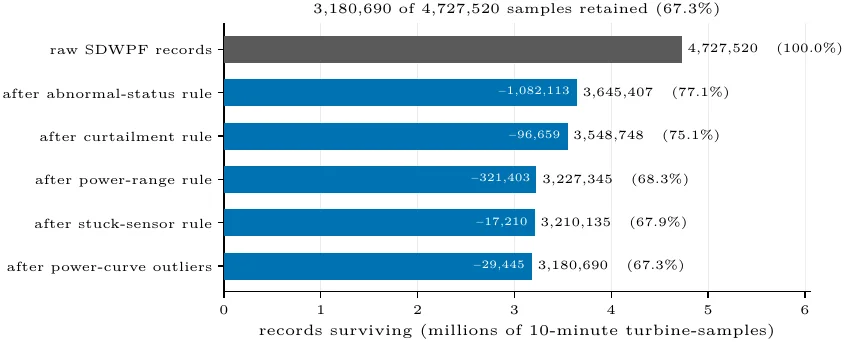
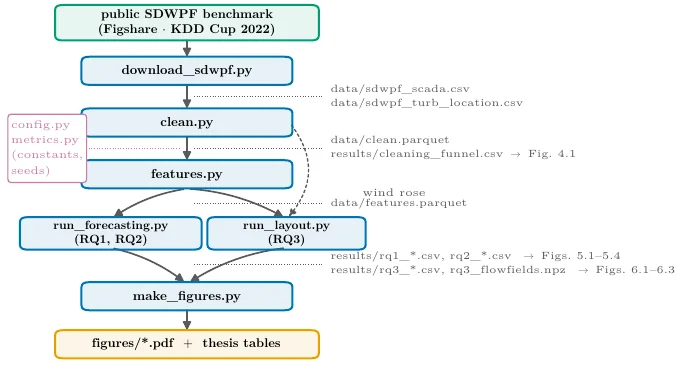
    • A reproducible pipeline on the public SDWPF SCADA dataset (134 turbines, 4.73 million rows): hand-engineered wake-exposure features, Random Forest and Gradient Boosting against persistence at 10 to 240-minute horizons with rolling-origin, leakage-controlled splits and paired bootstrap
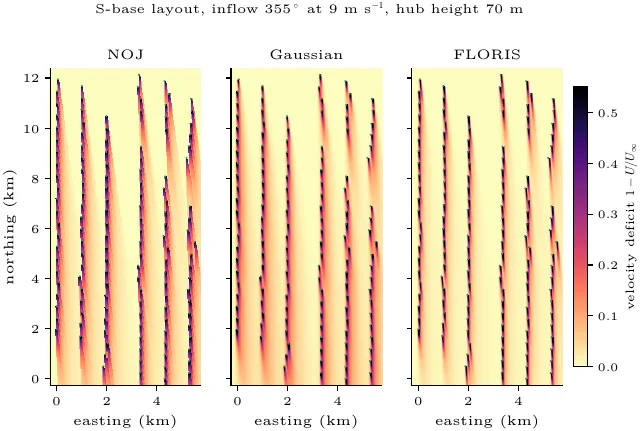
    • Layout scenario analysis across three wake models
    • And WakeScope, a WebGL2 decision workspace that overlays the models' actual flow fields on a live 3D farm.
  • StackPythonscikit-learnPyWakeFLORISpandaspytestWebGL2 + Three.js
  • Evidence
    • 22 passing tests.
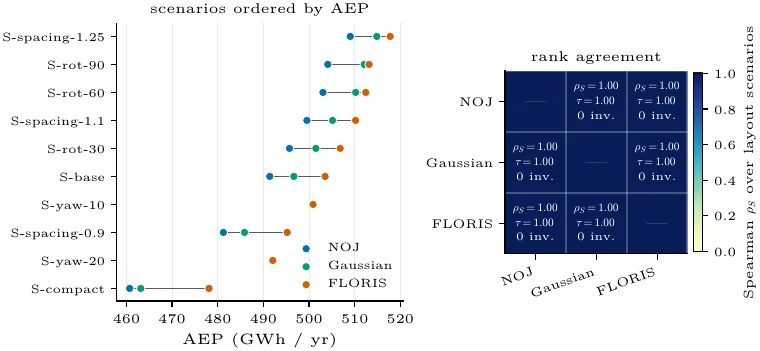
    • Layout study complete: modelled wake losses between 9.0% and 11.6% across the three models, with identical scenario rankings.
    • 65-page LaTeX draft.
    • Earlier related work: CIIT 2023 paper on day-ahead solar and wind forecasting.
Three wake modelsNOJ, Bastankhah-Porté-Agel Gaussian and FLORIS on the same 134-turbine layout.
Leakage-controlledRolling-origin splits with 29 origins and paired bootstrap on the differences.
Honest workspaceWakeScope shows partial runs as partial. Missing evidence stays missing.

Research in progress. Forecast results come from a superseded single-origin run; the corrected all-origin run is outstanding. Numbers here are preliminary and unpublished.

Full case study

The situation

Wind-farm operators and planners use low-order wake models because high-fidelity simulation is too slow for scenario sweeps. The open question is whether those models agree enough to trust for decisions, and whether their geometry helps a forecaster.

The constraint

Public SCADA data with undisclosed turbine specifications, no wind-direction ground truth at each turbine, and a strict leakage-control requirement across time.

The system

Ten Python modules covering cleaning, feature engineering (Jensen cone and Gaussian crosswind exposure), rolling-origin evaluation, wake-model scenario runs and figure generation. WakeScope reads the pipeline's artifacts directly, renders the farm in WebGL2 with instanced turbines, and overlays the exported flow fields.

My contribution

All code, the evaluation design, the scenario set (spacing, rotation, compaction, fixed yaw on the upstream third), the WakeScope workspace, and the thesis draft.

Evidence

Layout scenario rankings agree across NOJ, Gaussian and FLORIS on the main sweep; agreement degrades on the density sweep. A naive fixed-yaw heuristic reduces energy, which says nothing against optimised steering.

What remains

  • Run the all-origin forecast evaluation and fill the result placeholders in the draft.
  • Verify turbine specification and coordinate conventions against the dataset paper.
  • Replace fixed yaw with optimised steering.

What I learned

Ranking agreement is a more useful question than absolute accuracy when the decision is a comparison. Framing the thesis around "do the models agree" made every result interpretable.

More systems

Twenty-six more products, prototypes and experiments across AI, operations, health, games and research. Same format, same standard of evidence.

AI and knowledge systems

Retrieval, knowledge graphs and LLM pipelines with verification built in.

06Working prototypeAI and knowledge systems

Bernoulli event intelligence

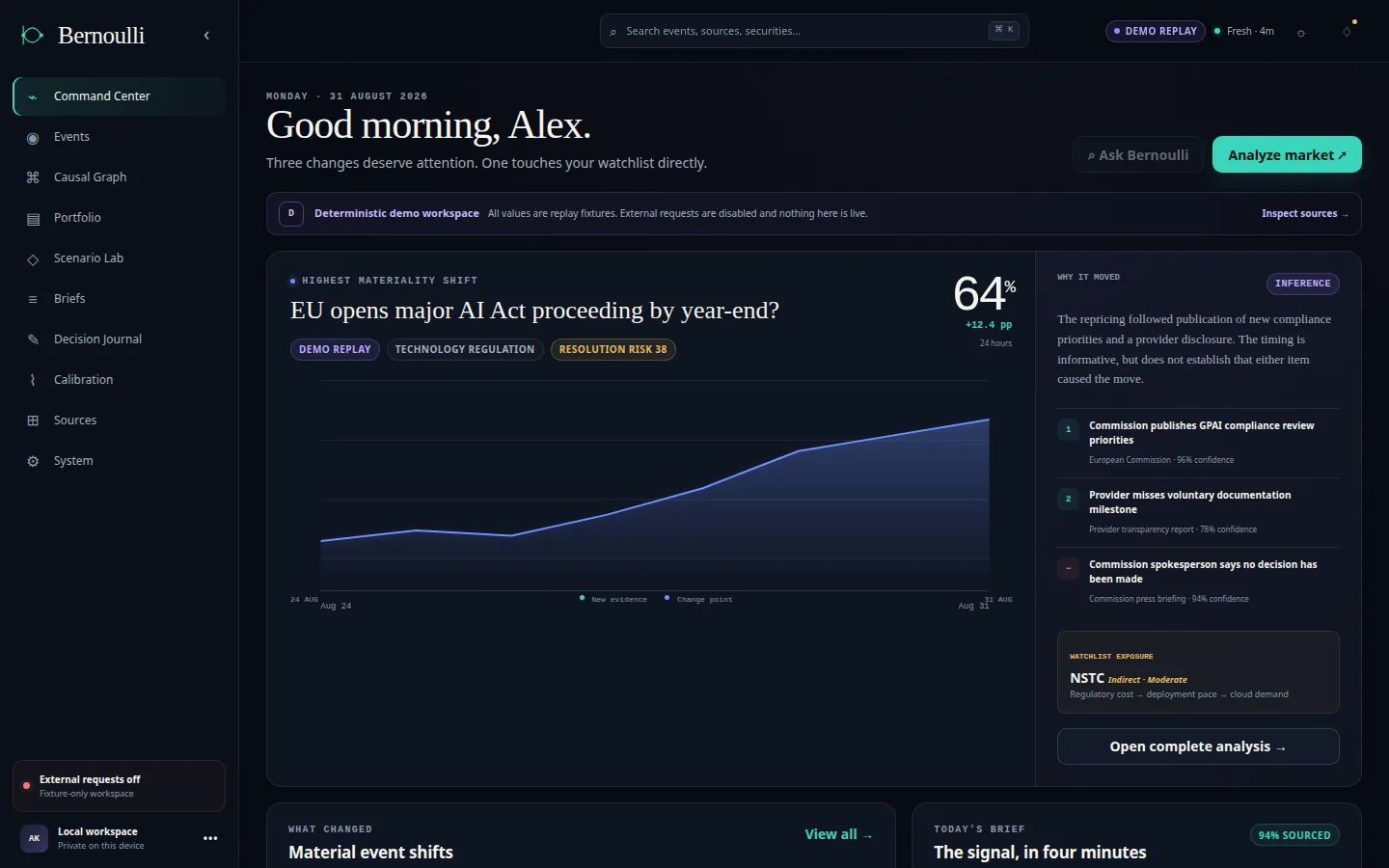
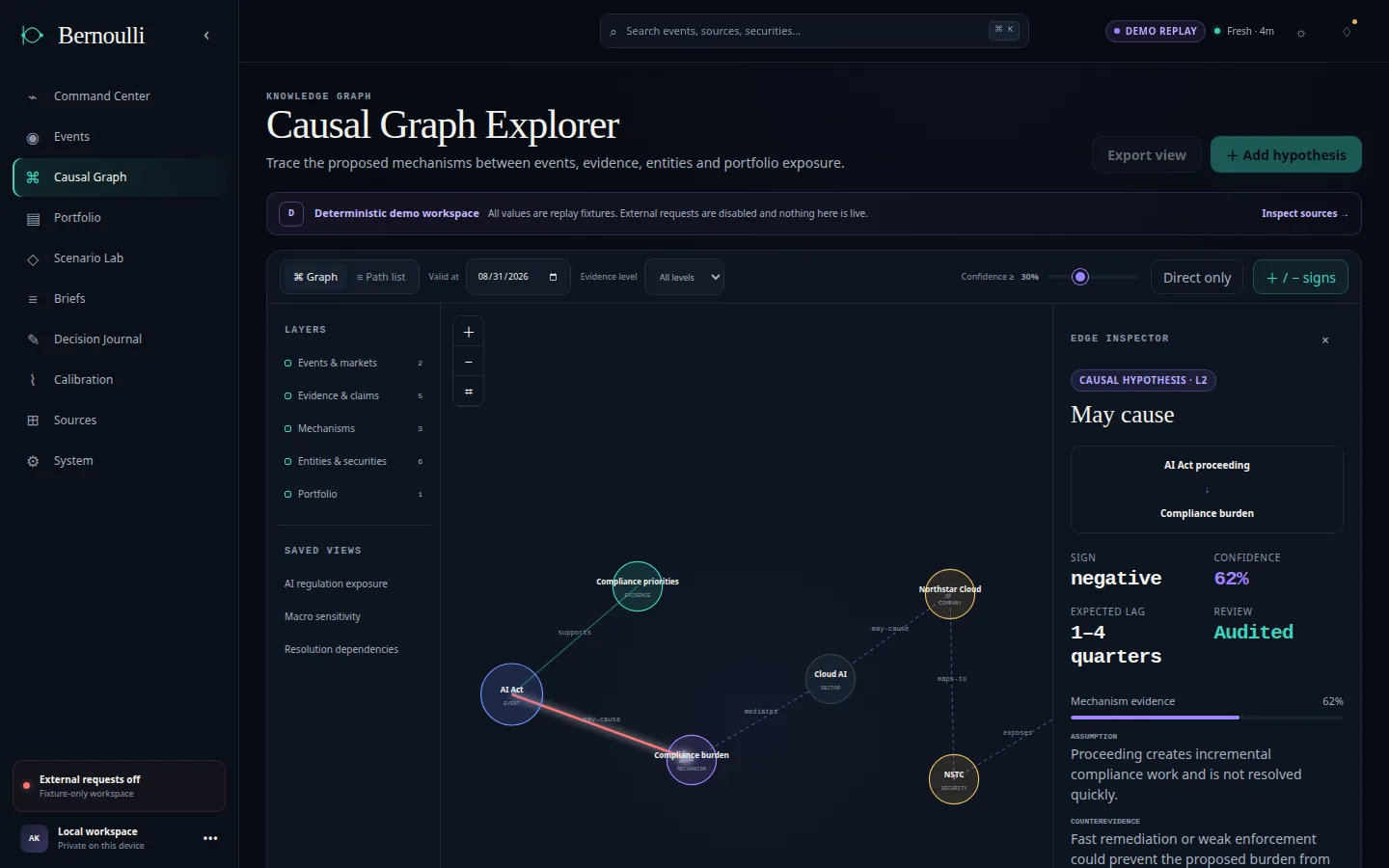
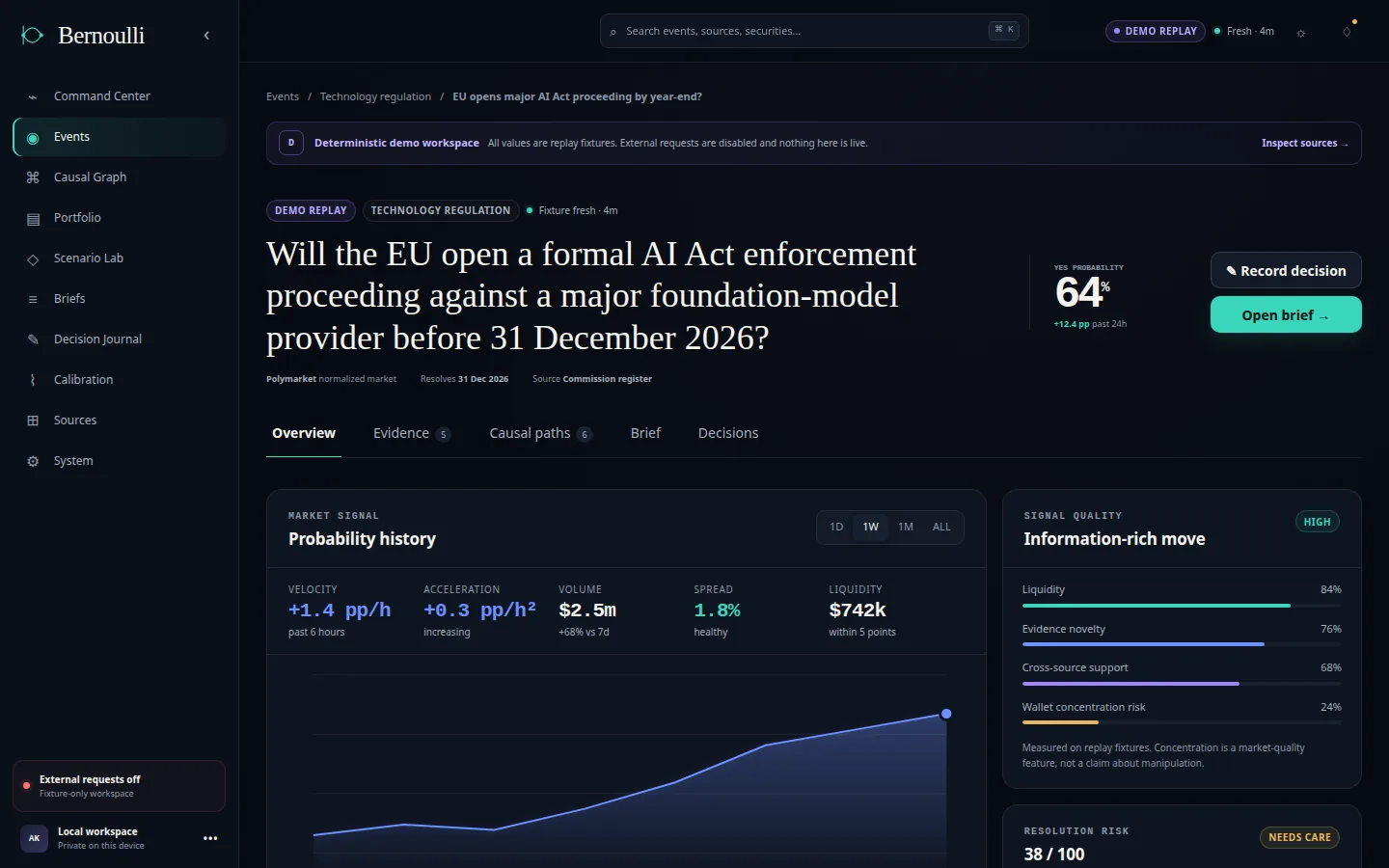
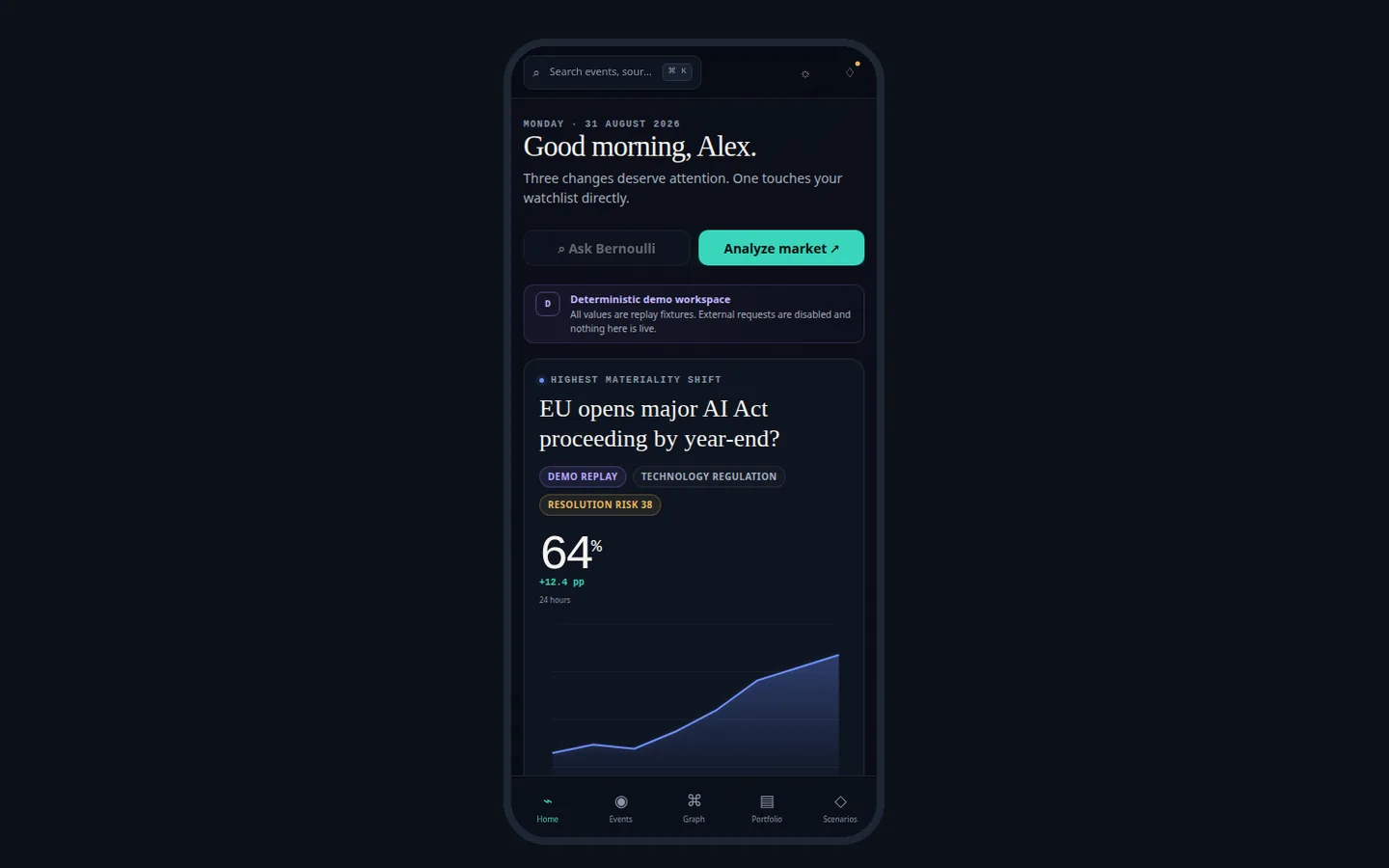
A local-first, read-only workspace that links a prediction-market probability move to the evidence, the causal mechanism and the portfolio exposure behind it, so the decision record is inspectable.

  • ProblemAn analyst watching event markets sees a probability jump but cannot cheaply reconstruct what evidence moved it, whether the link to a held security is causal or coincidental, or what they believed at the time. The gap between 'the number changed' and 'here is why' is where analysis turns into narrative.
  • Built
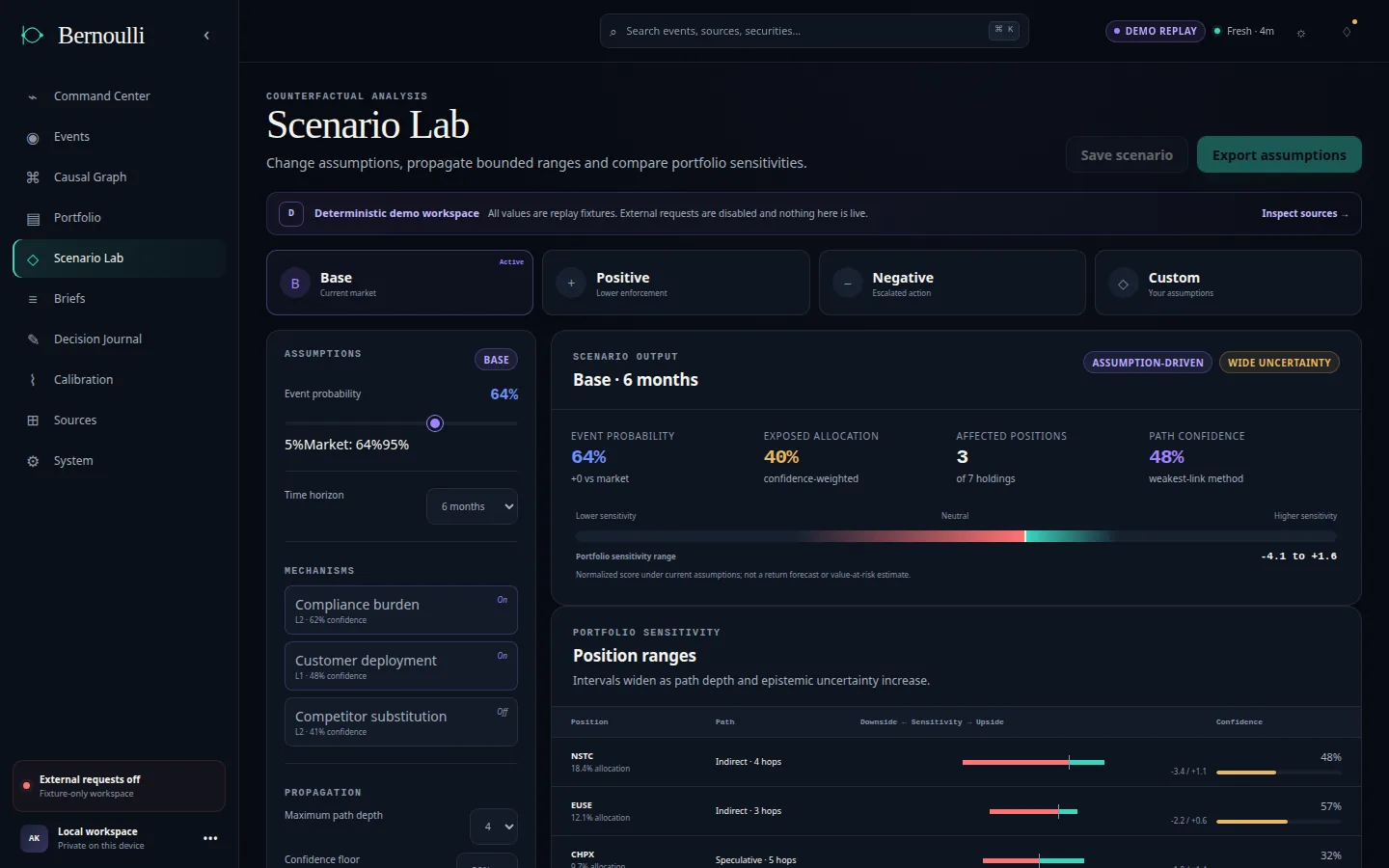
    • A pnpm and uv monorepo: a Next.js workspace with thirteen routes (command center, events, causal graph, portfolio, scenario lab, briefs, decision journal, calibration, sources), a FastAPI service exposing 39 endpoints, a Celery worker, a Python domain package for temporal, calibration and scenario logic, and one Alembic migration.
    • Every causal edge stores its evidence level, assumptions, confounders, counter-evidence and review state, so a 'may cause'
    • Link is structurally distinct from a correlation.
    • All outbound traffic goes through one gateway with a kill switch, HTTPS-only host allowlist, non-global IP rejection and refused redirects.
    • Docker Compose brings up pgvector Postgres, Redis, MinIO, migrations, a deterministic seed, the API, a worker and a scheduler
  • StackFastAPISQLAlchemy 2AlembicCelery + RedispgvectorNext.js 16React 19Playwright + axepytestmypy strict
  • Evidence
    • A verification log dated 31 August 2026 records 39 Python tests passing, 4 front-end unit tests, 22 browser tests passed with 2 skipped, a production build of 14 routes, a migration from zero producing 19 tables, and a Lighthouse score of 99 performance and 100 accessibility.
    • CI runs Python quality plus evals, Node quality plus build, and dependency review.
    • Adversarial eval cases cover temporal leakage, prompt injection and failure injection.
    • Sixteen screenshots across six viewports.
Edges carry their epistemicsEvidence level, assumptions, confounders and counter-evidence live in the edge schema, so the UI cannot say 'caused' without them.
One outbound choke pointKill switch, allowlist, DNS and IP validation, refused redirects and a size cap, enforced in code.
Adversarial evals in CITemporal-leakage, prompt-injection and failure-injection cases run in the same pytest job as the domain tests.

Working prototype on a deterministic fixture. The web screens read a local fixture rather than calling the API at runtime, decision-journal writes are process-local, and there is no live market connector, model provider, auth or deployment. Calibration and forecast skill are explicitly unmeasured.

Full case study

The situation

Event-market moves are easy to observe and hard to justify. Without a chain from the probability change to dated evidence, a mechanism hypothesis and an exposure path, every review becomes a story told after the fact.

The constraint

Read-only by rule: no order placement, no wallet signing, no brokerage writes. Local-first with external requests off by default, so the whole product had to be demonstrable from a deterministic fixture.

The system

A modular monolith: a Python domain package for temporal, calibration and scenario logic, FastAPI for the typed surface, Celery and Redis for pipeline work, pgvector Postgres for the temporal graph, MinIO for artifacts, and a Next.js workspace that labels demo state on every screen.

My contribution

  • Designed the temporal-graph data model that preserves observed, published and ingested timestamps and keeps evidence, claims, mechanisms and securities as separate node types.
  • Wrote the single outbound-request gateway instead of scattering HTTP calls.
  • Built the Scenario Lab propagation with path-depth and confidence-floor controls and a 'what this result does not say' panel next to the output.
  • Set up dual-language CI and the adversarial eval corpus.

What remains

  • Wire the web screens to the FastAPI service and make decision-journal writes durable.
  • Enable one licensed live connector behind the existing kill switch.
  • Add auth, TLS and managed secrets before any non-local deployment.

What I learned

Putting assumptions, confounders and counter-evidence into the edge schema rather than into prose is what makes a product structurally unable to overclaim causation.

07Working prototypeProduct and growth systems

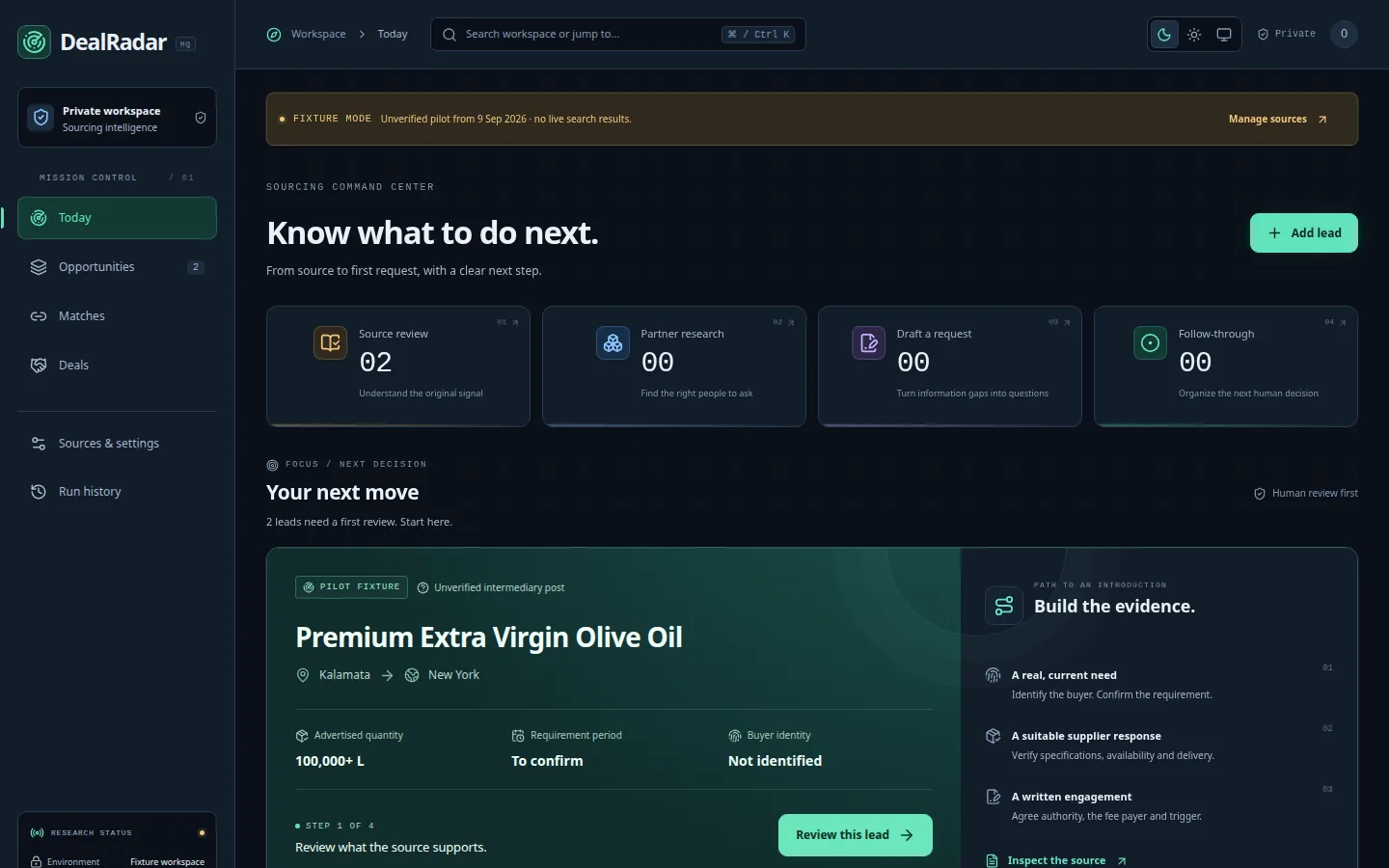
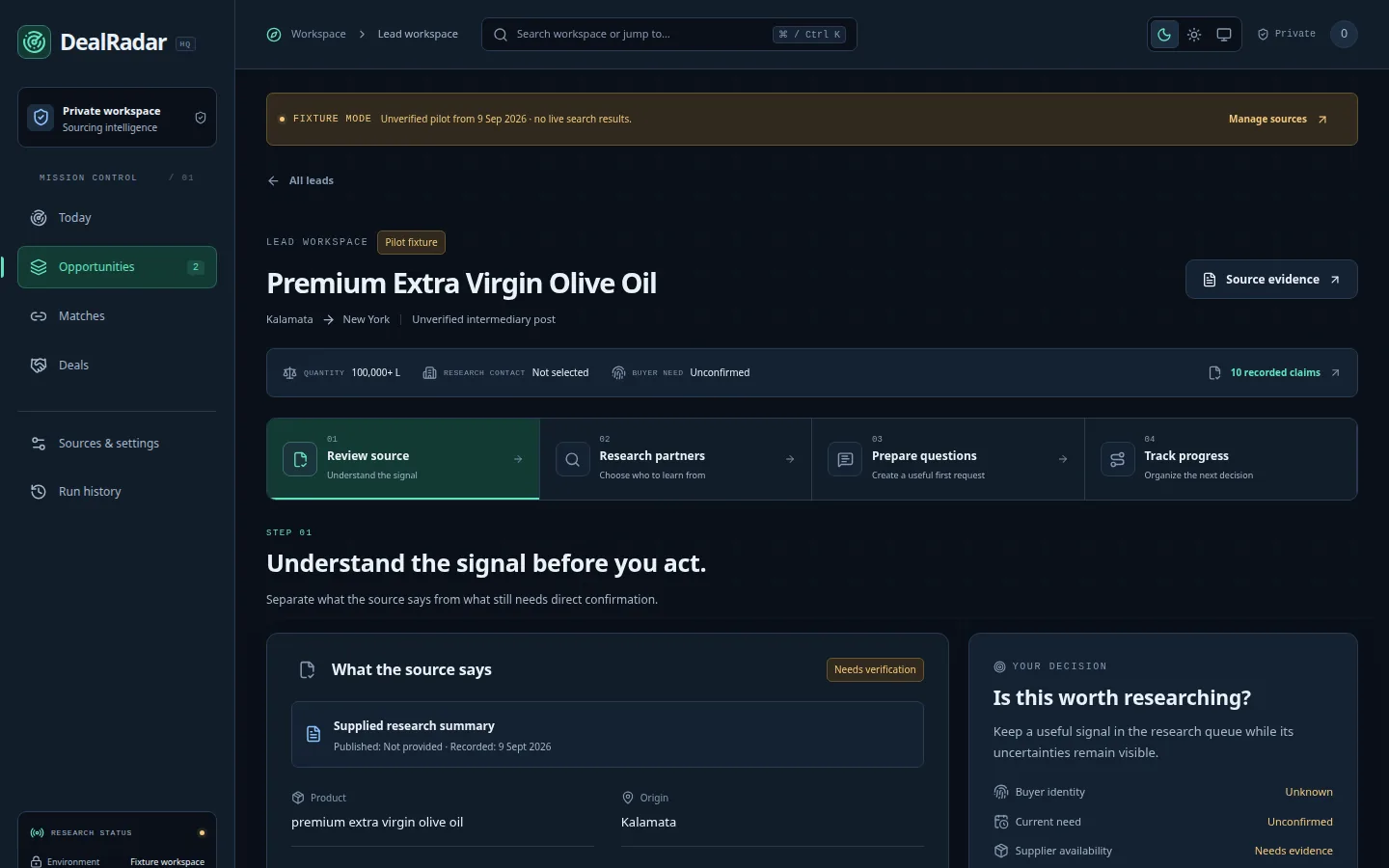
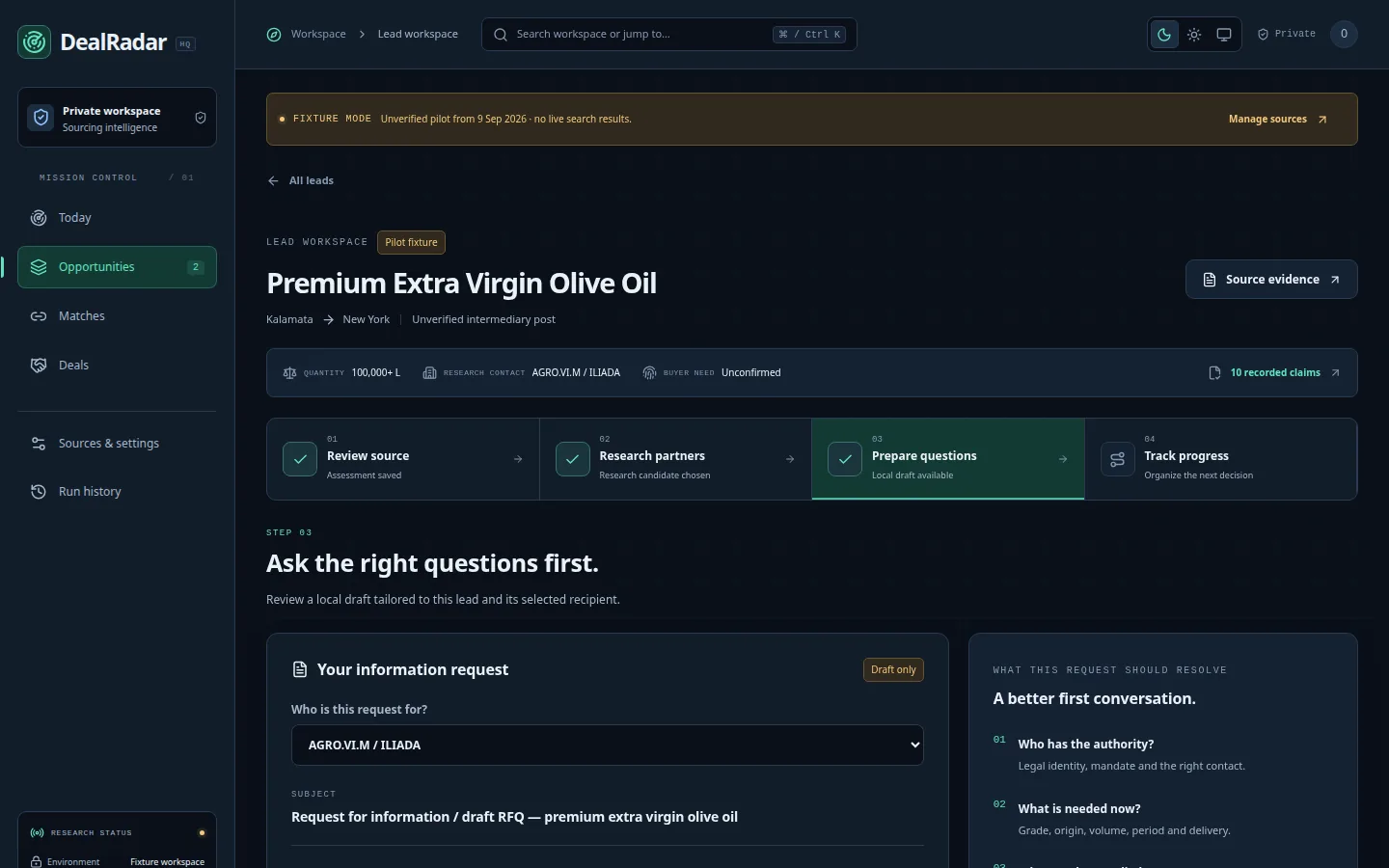
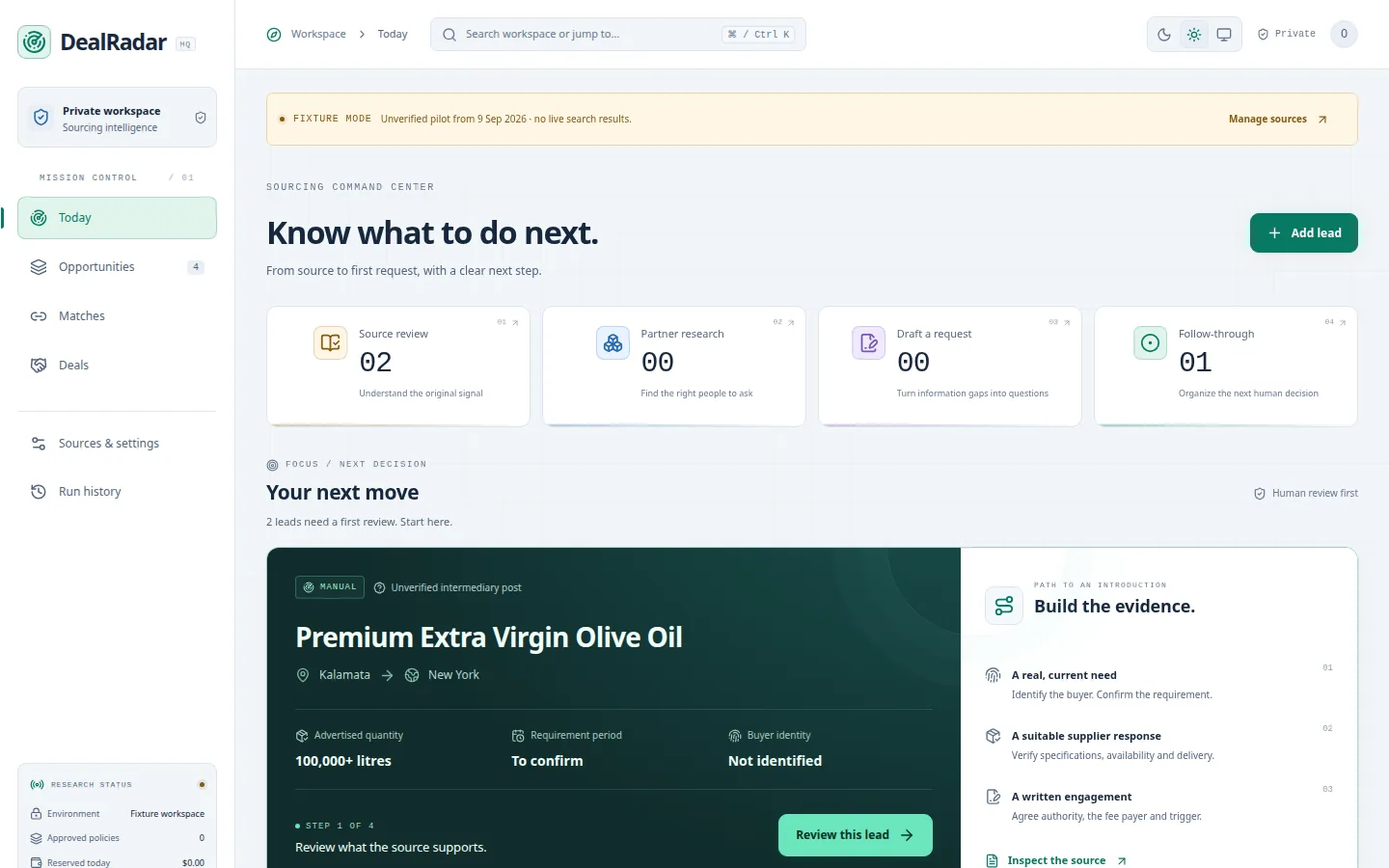
DealRadar sourcing intelligence

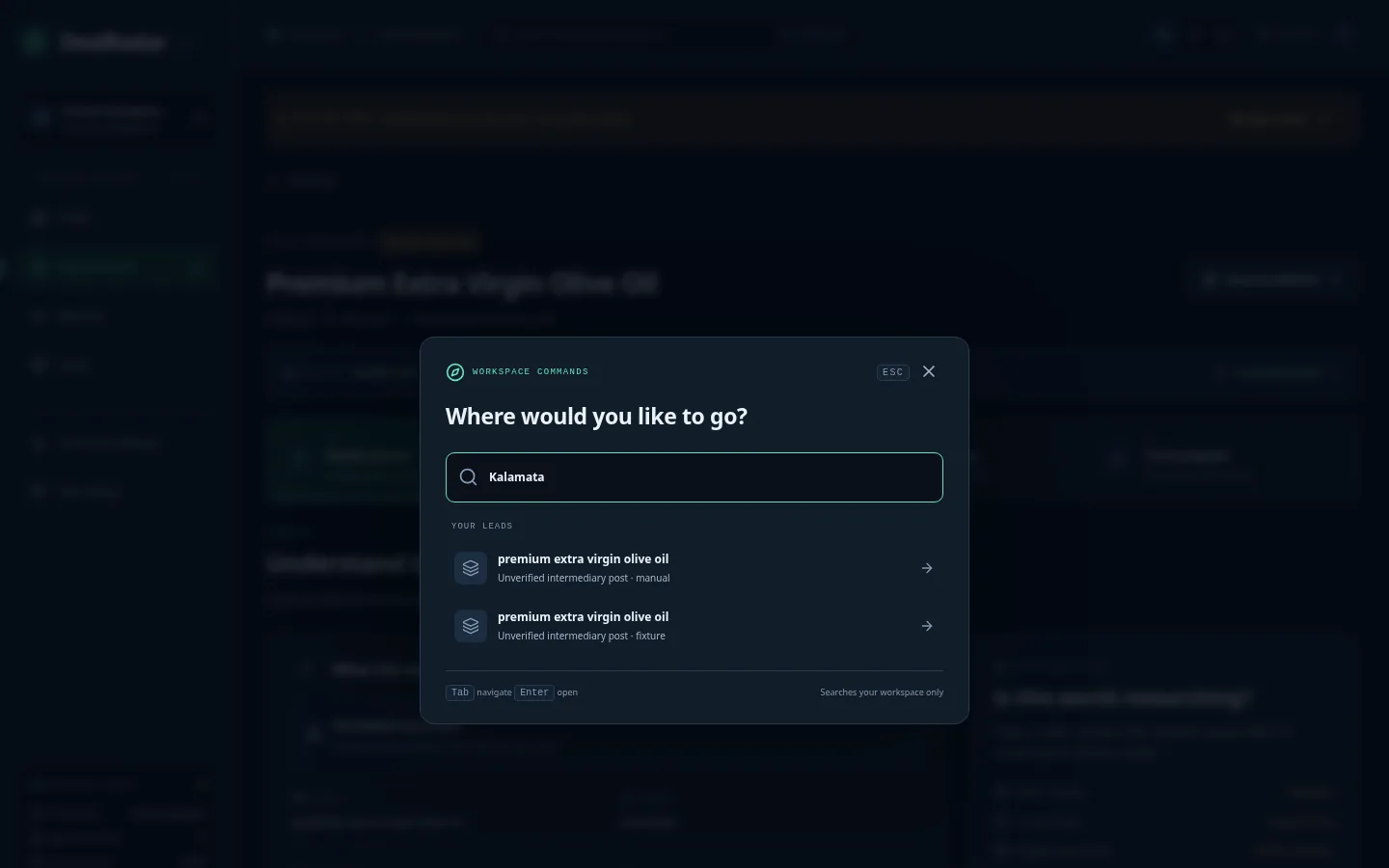
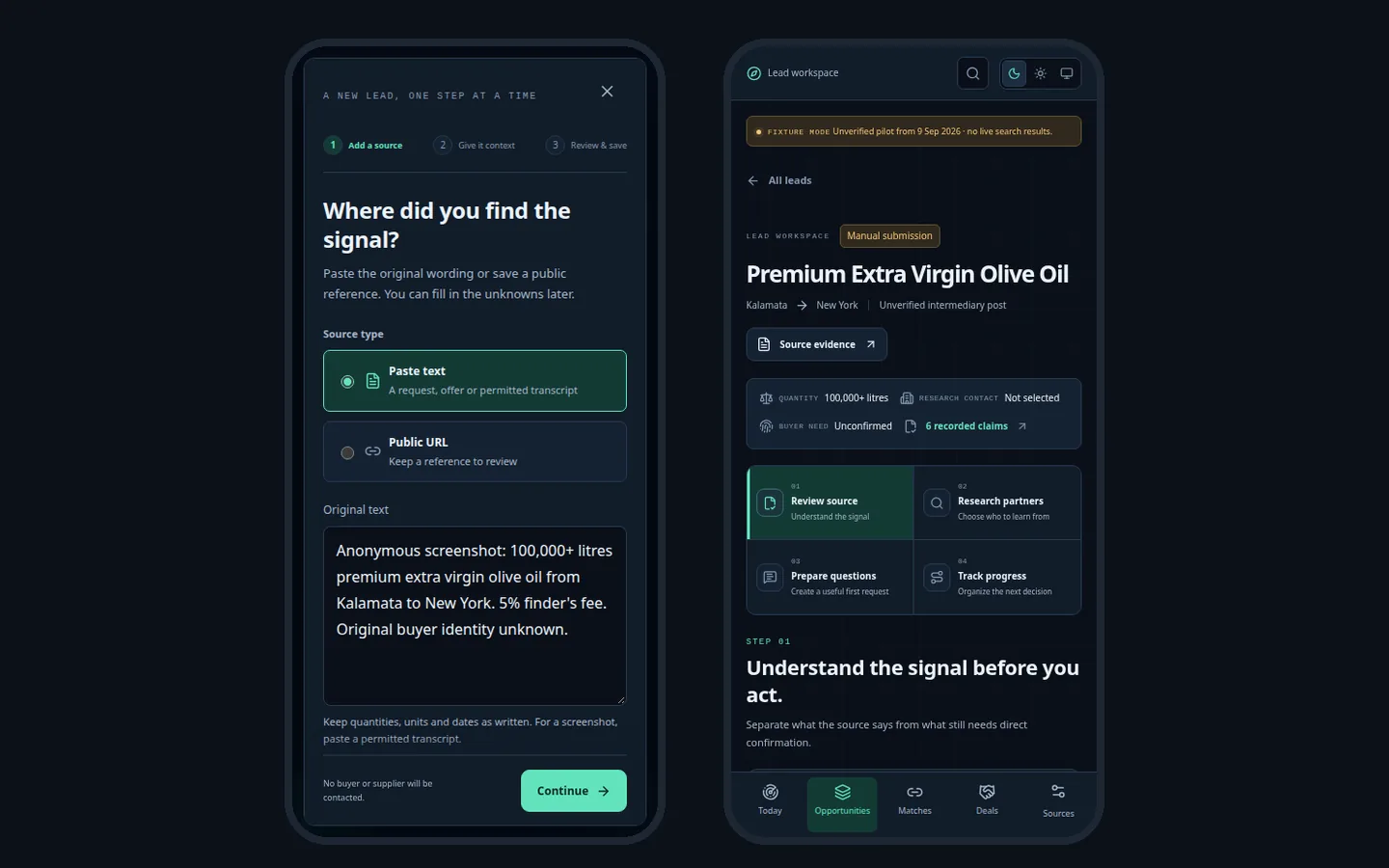
A single-owner B2B sourcing workspace that walks a broker from an unverified trade signal through evidence review, partner research and a drafted information request, without ever letting process progress read as commercial confirmation.

  • ProblemA sourcing signal such as '100,000+ litres of olive oil, Kalamata to New York, 5% finder's fee' arrives as an anonymous post with no confirmed buyer, quantity or fee agreement, and the pressure is to treat it as a deal. The unknowns need to stay visible as first-class fields.
  • Built
    • A Next.js app with three API routes and a thirteen-module library holding the domain rules, journey state machine, security, providers and seeding.
    • Persistence is PGlite locally and Postgres in the documented deployment path, with fifteen tables, workspace-scoped queries and row-level security via a transaction-local setting.
    • Claims are accepted only with a literal evidence span
    • Constraint checks return Passed, Blocked or Needs information
    • Deal-stage transitions are guarded
  • StackNext.js 16React 19Zod 4PGlitepostgres.jsInngestipaddr.jsVitestPlaywright
  • Evidence
    • A verification log records 80 unit tests passing across five files and six browser workflows passing against a production build, plus sixteen enumerated failure cases with per-case results: supplier becoming buyer, a quantity losing its plus sign, unknown budget becoming zero, litres and tonnes mixing, expired certificates, prompt injection, SSRF and spend caps.
    • The pilot seed holds 2 opportunities and 3 organisations and explicitly zero confirmed buyers, zero qualified matches and zero collected fees.
    • Ten screenshots.
Progress is not proofSaving an assessment or choosing a candidate never flips buyer identity, current need or fee agreement, and the domain tests prove it.
Cost reserved, not reconciledAttempt ceilings are reserved atomically before any paid call and kept after success, failure or timeout.
Every fetch is hostile inputPublic-DNS check, pinned connection, redirect revalidation, size and time caps, and no tool privilege for source text.

Working prototype. No live provider call has ever been made: the crawl, model, database and queue providers are contract-mocked with no keys present. Auth is a single owner password, and there is no deployment, CI, billing or commercial approval stage.

Full case study

The situation

A build kit and a JSON pilot seed described a brokerage opportunity. The repository contained no runnable application, and the seed's 'deal' was an anonymous intermediary post.

The constraint

No outreach, no sending, no money movement, and no unverified claim may be promoted to fact. Paid research cannot run without an explicit ceiling and an approved source policy.

The system

Next.js App Router over PGlite or Postgres with a typed entity model, a four-step lead journey (review source, research partners, prepare questions, track progress), an exported extraction schema, run logs, and source policies that all start disabled.

My contribution

  • Modelled verification status as orthogonal to workflow status, then wrote thirteen domain cases to prove the two cannot leak into each other.
  • Implemented atomic spend reservation with a UTC-day reset and bounded retry only on explicit 429 or 503.
  • Hardened URL acquisition against private, reserved and mapped addresses, DNS rebinding and redirected private destinations.
  • Built the token system, pre-paint theme restore, workflow HUD and command menu, and fixed two regressions found in browser testing.

What remains

  • Exercise the live crawl, model, database and queue paths with real credentials and measure actual cost.
  • Build the quote comparison and the approval, fee and payment stages the schema already supports.
  • Add multi-user administration, indexed pagination and scheduled retention.

What I learned

Making 'unknown' a persisted, displayable value rather than an empty field is what stops a workflow UI from manufacturing confidence it never earned.

08Working prototypeAI and knowledge systems

Reviewer Brief

A GitHub App that posts one structured pre-flight brief as the first comment on a pull request: what changed, what is risky, what to read first and what to skip.

  • ProblemLarge pull requests are reviewed badly because reviewers have no map of them, and existing bots add inline nitpicks that make the noise worse. One brief above the inline-comment layer should orient a human in under ninety seconds.
  • Built
    • A pnpm TypeScript monorepo with six packages (schema, brief core, LLM, prompt, GitHub client, config) and two apps (a webhook receiver and a worker).
    • The core pipeline parses and classifies changed files, clusters them, scores file risk and hotspots with rules, computes a skip list and renders the brief.
    • Exactly one model call does synthesis at the end, and its output must validate against a Zod schema before anything is posted.
    • Prisma models installations, repositories, pull requests, brief runs with latency, model and prompt version, and feedback.
    • A standalone renderer turns a brief into a self-contained HTML report.
  • StackTypeScriptNode 20pnpm workspacesZodPrisma + PostgresAnthropic SDKOctokitVitest
  • Evidence
    • Seven test files with 27 cases across schema, core, webhook, client, prompt, LLM and worker.
    • Built output exists for every package.
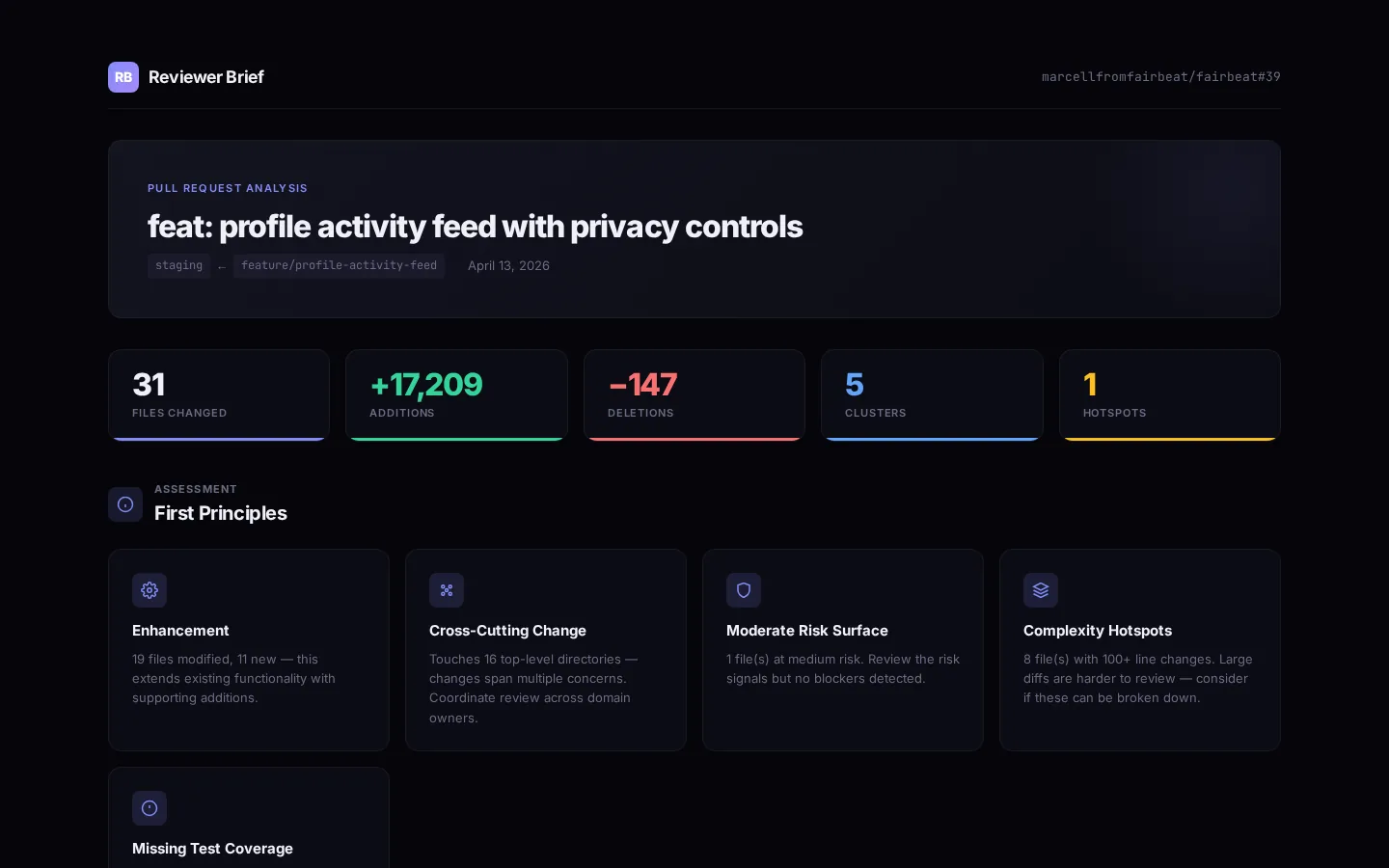
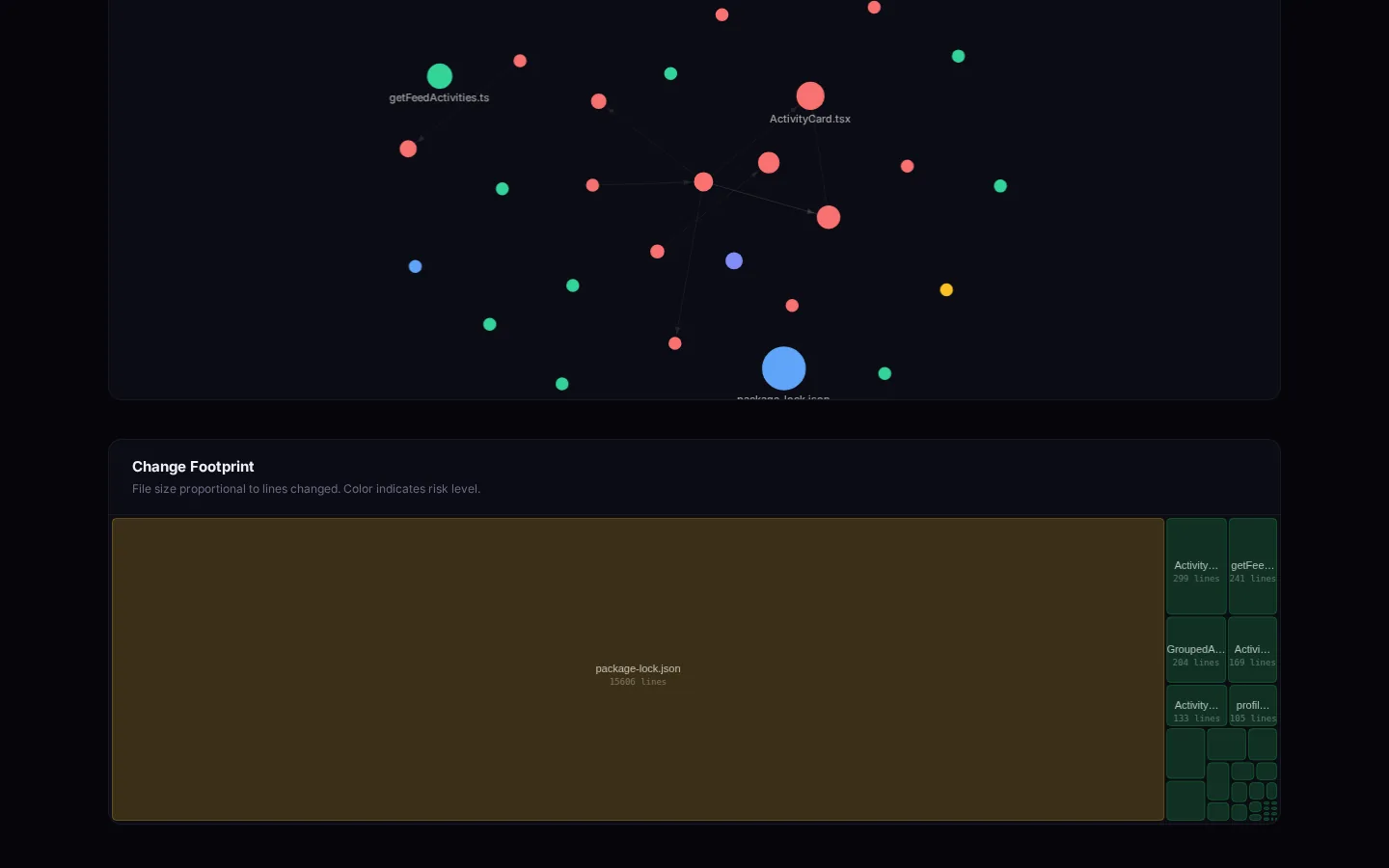
    • A real run against a third-party pull request of 31 files and more than 17,000 added lines produced a full report with 5 clusters, 1 hotspot and generated assessments.
Schema-gated outputA brief that fails validation is never posted, so 'high signal or silent' is enforceable.
Deterministic before probabilisticParse, cluster, risk and skip are rule-based; one model call synthesises at the end.
A real-PR artifactThe rendered report shows the system's output on someone else's 31-file pull request, with a dependency map and a change-footprint treemap.

Working prototype, not deployed and never committed. The README mentions tree-sitter parsing, but the code uses an extension-based language map plus skip patterns; the tree-sitter claim is not implemented.

Full case study

The situation

Review tooling floods reviewers with inline comments and still leaves them without a map of the change.

The constraint

One comment per pull request, a median under 45 seconds, and the human stays the decision-maker.

The system

Webhook to worker to deterministic parse, cluster, risk and skip stages, then one model synthesis call, Zod validation, and a single posted brief, with every run recorded in the database.

My contribution

  • Split the pipeline so only synthesis is probabilistic and everything upstream is ordinary testable code.
  • Made schema validation a hard gate on posting.
  • Built the standalone HTML renderer and ran the whole pipeline end to end on a real external pull request.

What remains

  • Commit and deploy the GitHub App.
  • Implement or drop the tree-sitter parsing claim.
  • Measure actual median latency on real installations.

What I learned

Narrowing the model to one gated step makes the rest of the system ordinary software you can test.

09Working prototypeHealthcare and clinical prototypes

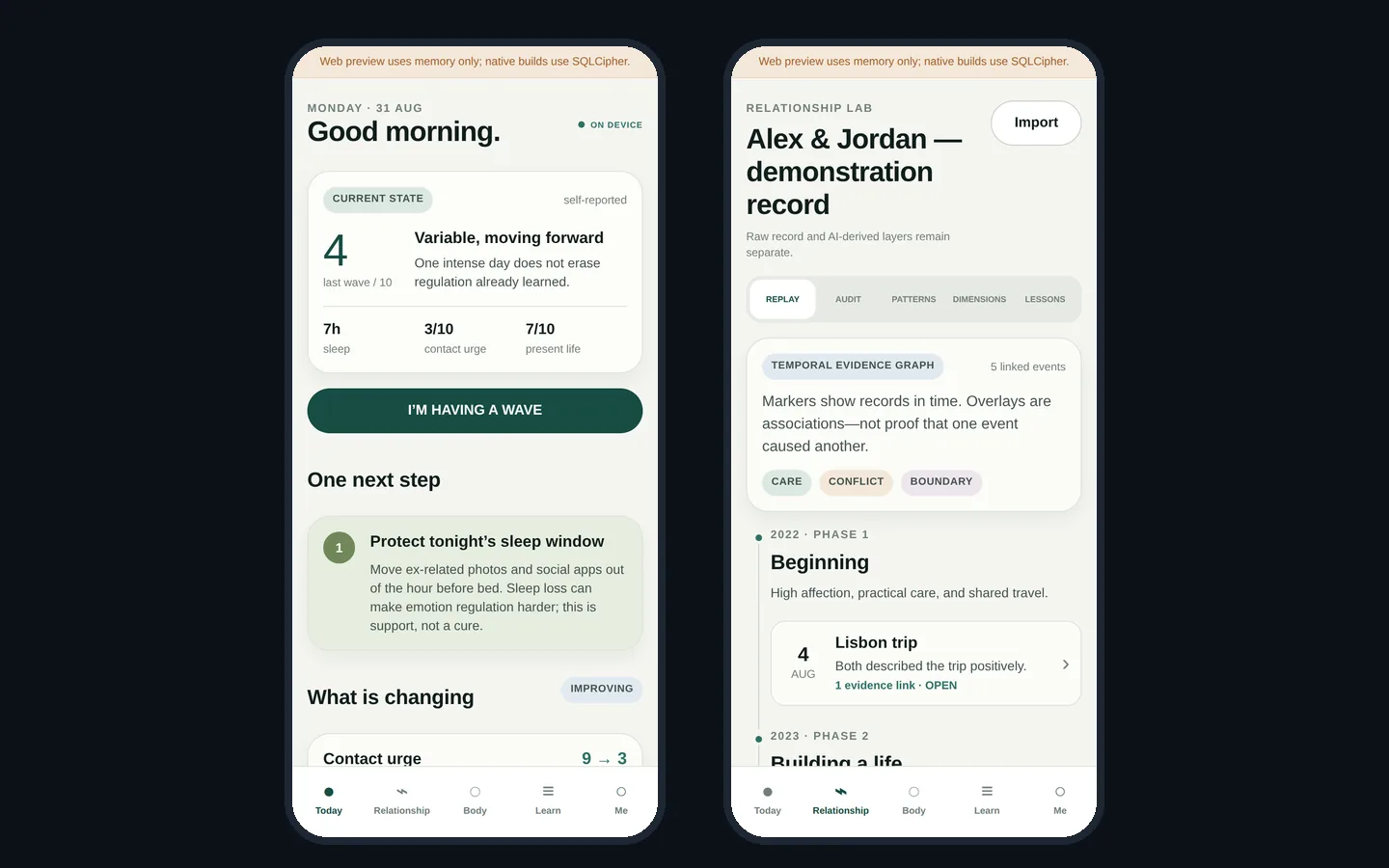
Lucid relationship intelligence

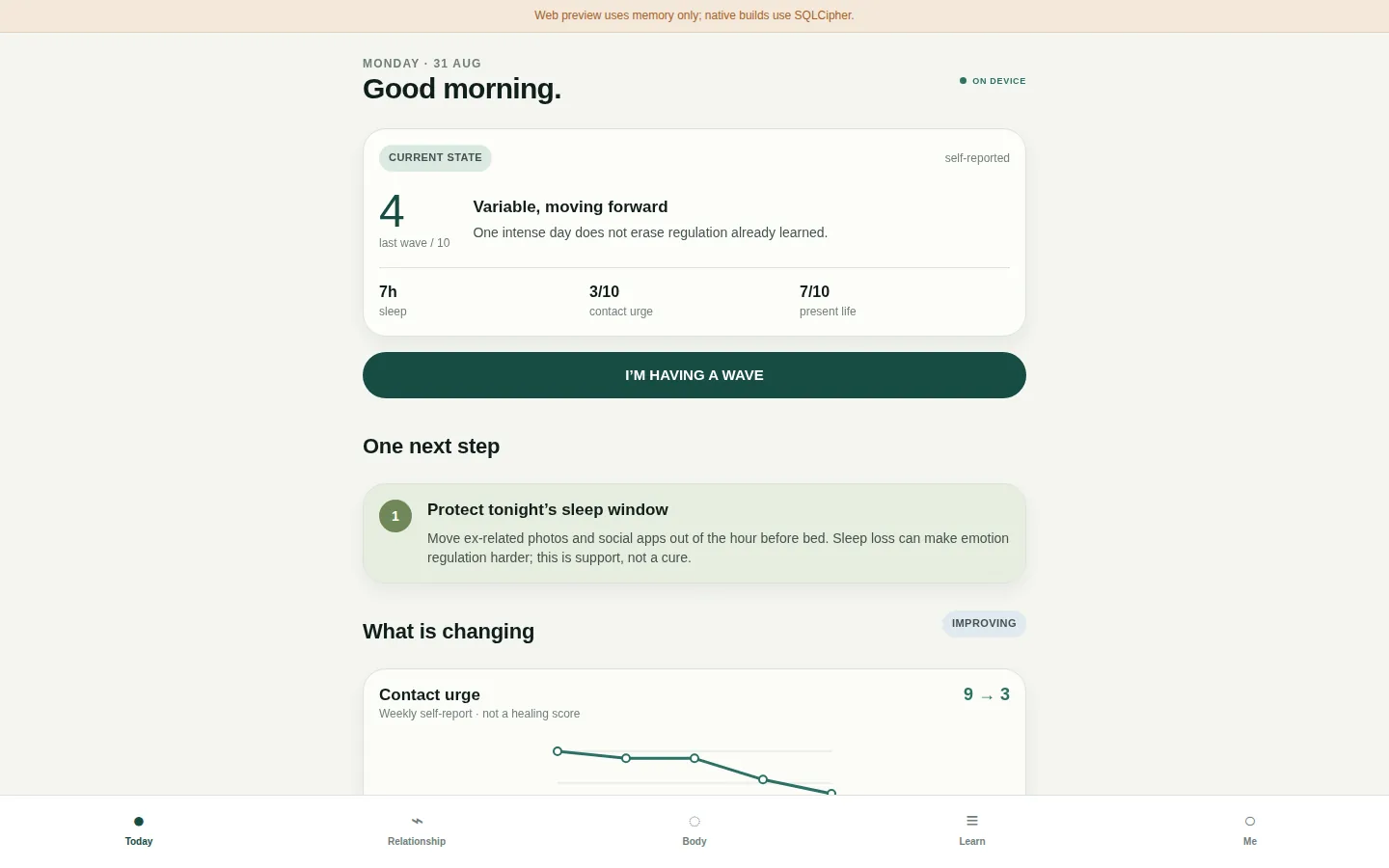
A local-first mobile app for someone processing a relationship or breakup that separates facts, claims, interpretations and model inferences over imported chat evidence, and never offers contact, monitoring or revenge advice.

  • ProblemAfter a painful relationship a person cycles between rumination and certainty. The tools available either hand out 'narcissist detector' verdicts or become a surveillance manual. What they need is to see what the evidence does and does not support, including their own contribution, from a product that will not invent a diagnosis.
  • Built
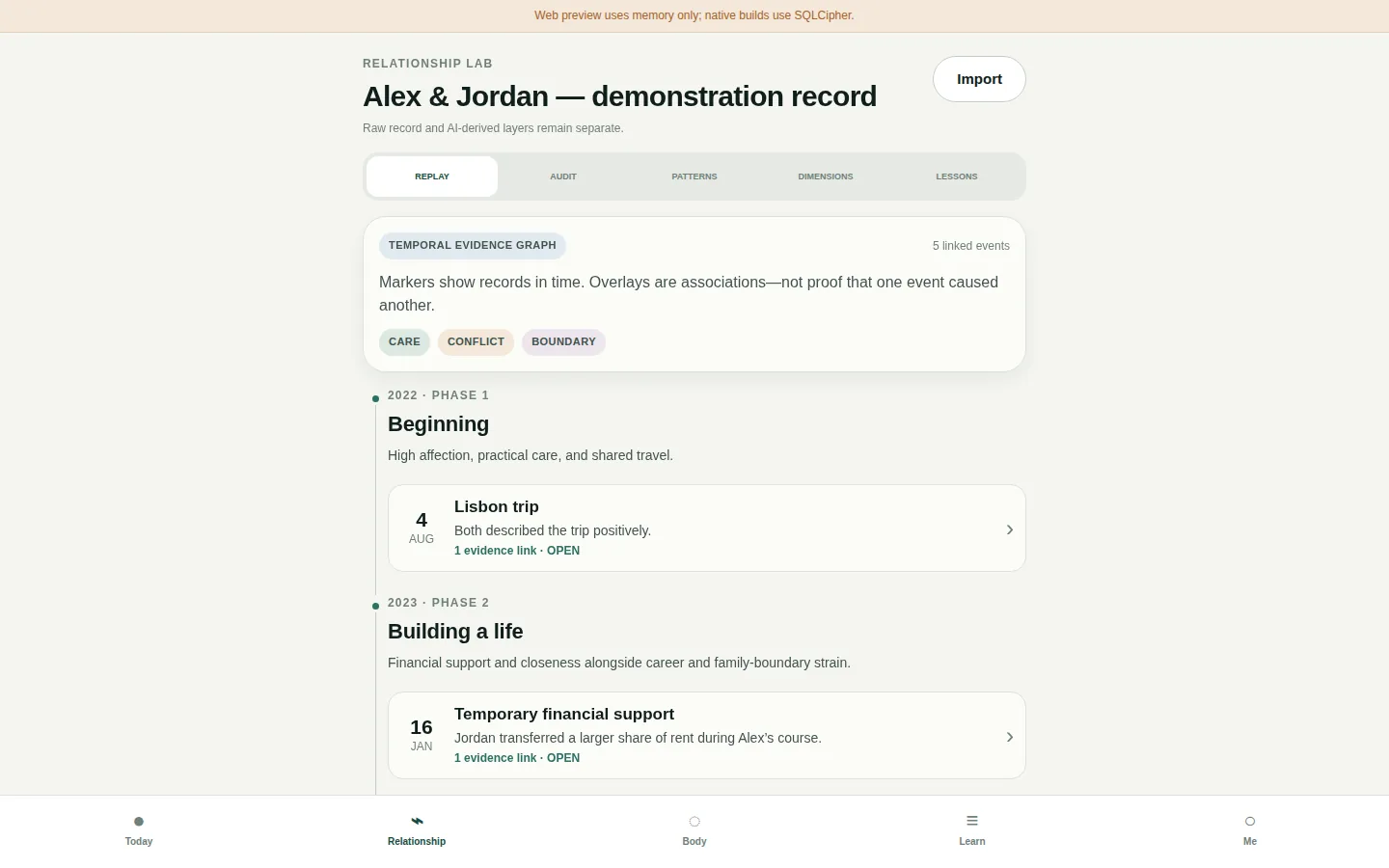
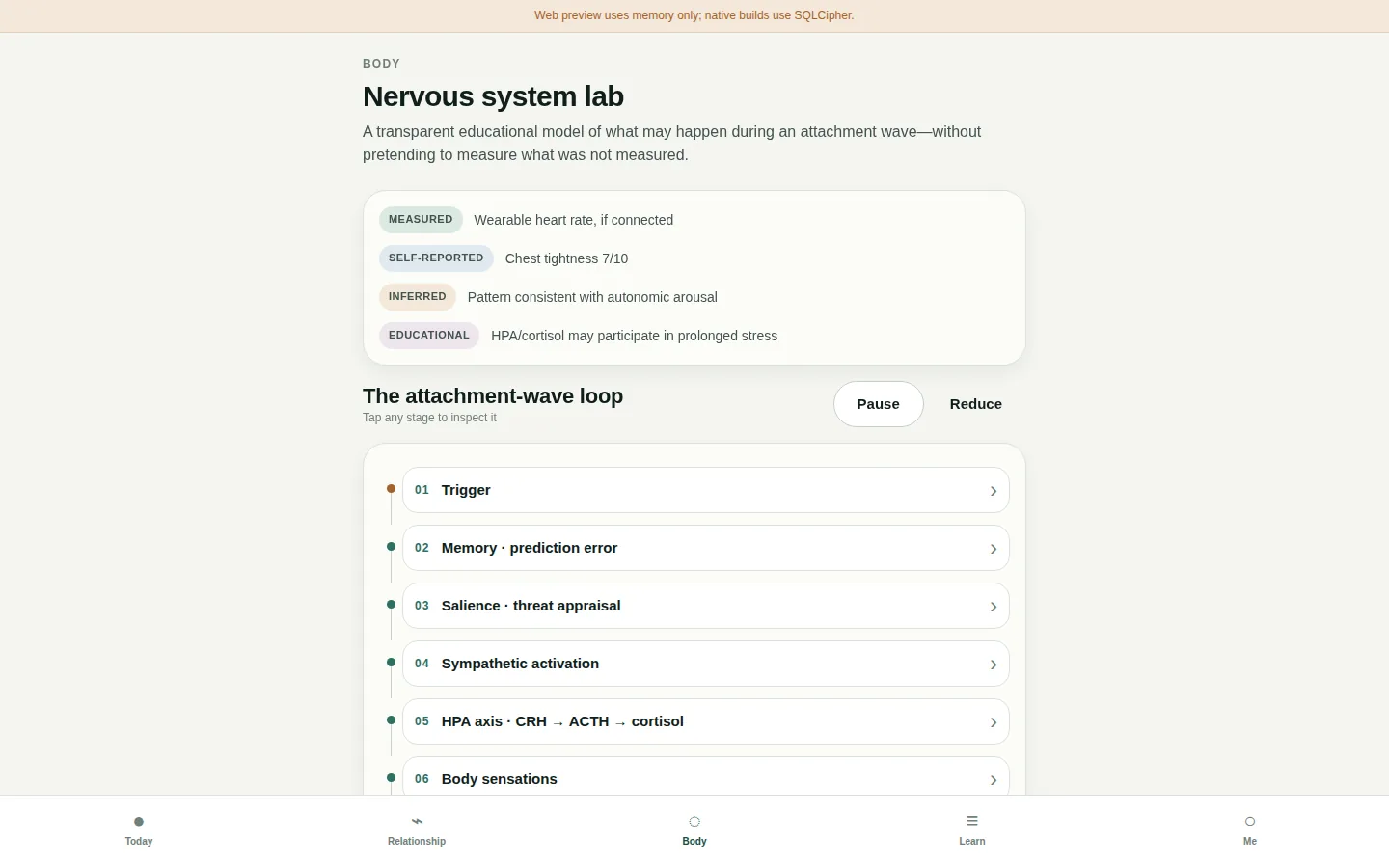
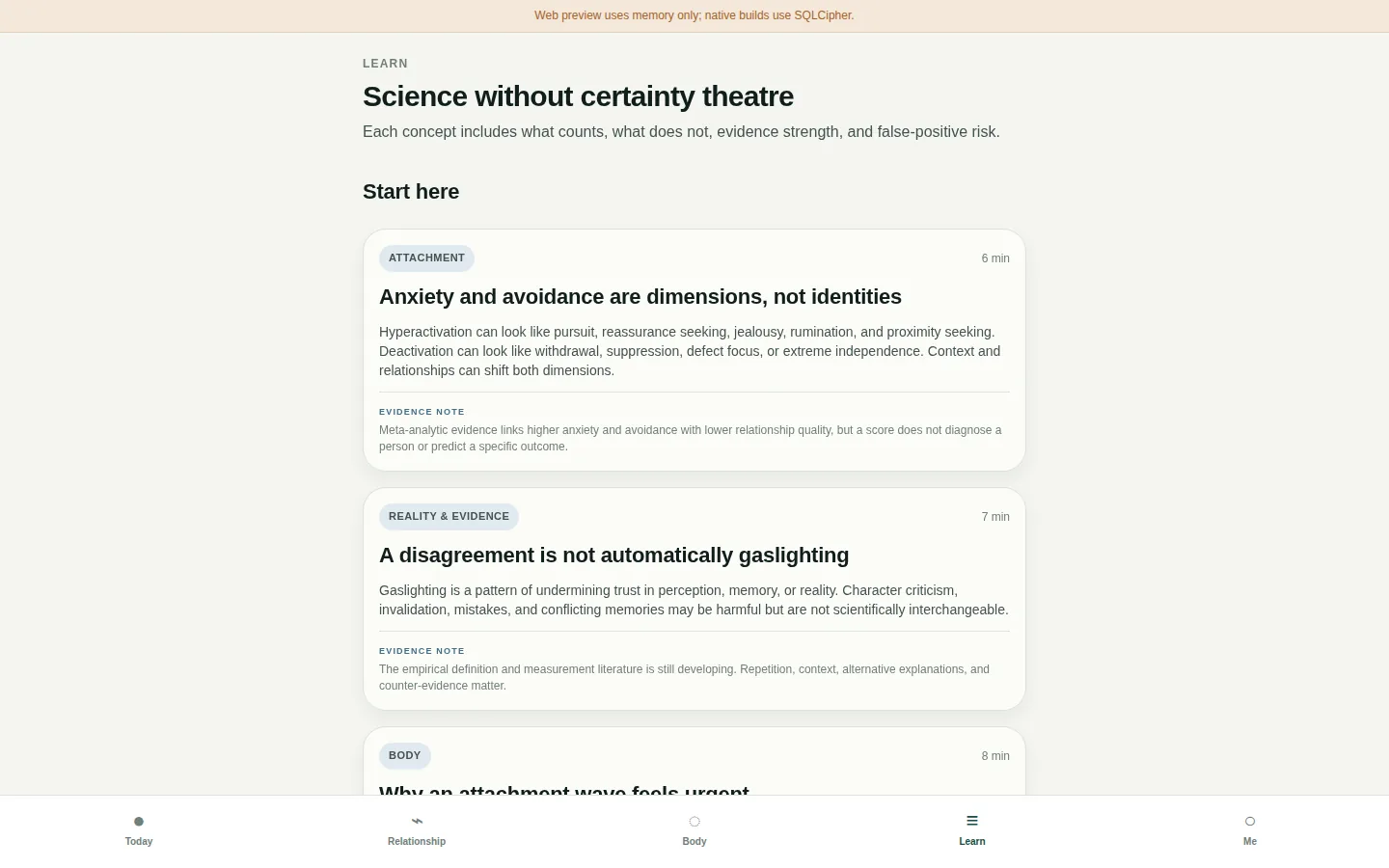
    • An Expo and React Native app with Today, Relationship, Body, Learn and Me surfaces, a Wave Mode and an always-reachable crisis screen.
    • A nine-pass Reality Audit runs as separable deterministic passes: safety preflight, fact extraction, episode segmentation, pattern candidates, counter-analysis, safety classification, evidence calibration, neutral synthesis, citation resolution and a final safety check, each emitting a trace with completed, abstained or stopped status and categorical confidence, never percentages.
    • Safety routing is ten regex rule families with negation handling that run before generation and again over the output.
    • Storage is SQLCipher with a key in the secure store and a biometric gate
    • An optional Fastify EU API accepts only capped pseudonymised excerpts with training disallowed, behind Postgres migrations with row-level security.
  • StackExpo 57React NativeReact 19Expo RouterZustandTanStack Queryexpo-sqlite (SQLCipher)Fastify + pgZodVitest
  • Evidence
    • Twelve test files with 45 cases, including an eval suite for crisis routing, abstention, citation coverage, no fake percentages and adversarial diagnosis, validation, revenge and surveillance prompts, plus integration tests for the audit pipeline, migrations and the server.
    • A custom security-review script scans for prohibited SDK families, embedded secrets and unsafe-advice regressions.
    • A 38-item pattern taxonomy and a synthetic relationship fixture.
Safety outside the modelRegex rule families run before generation and over its output, so a generative pass can only ever be stopped, never unblocked.
Abstention is a success stateThe calibrator emits 'insufficient evidence' and the trace records it per pass; percentages are structurally absent.
A cloud boundary that refusesThe API sees only capped pseudonymised excerpts with zero retention, and crisis, journal and import work with the cloud off.

Working prototype. The audit passes are a deterministic reference implementation with no language model wired up, screenshot OCR is an interface without a native adapter, and web demo state is in memory. No CI, no recorded test run, no auth, no deployment, and no clinical or survivor-advocate validation of any safety claim. Screens are from the exported web build.

Full case study

The situation

Post-breakup, people reach for tools that flatten a relationship into a 'toxic' verdict or teach them how to monitor an ex.

The constraint

Relationship messages are among the most sensitive data a person owns and must stay encrypted on the device. The product may not diagnose, may not invent evidence, and may never make crisis help depend on network, subscription or auth state.

The system

A local-first Expo app over a SQLCipher evidence store with raw, user and derived layers, a nine-pass audit with Zod-contracted boundaries between passes, and an optional EU API that only ever sees a pseudonymised excerpt set.

My contribution

  • Built the temporal evidence graph with stable opaque IDs, sorted timestamped edges and a validator that rejects dangling citations and out-of-order edges.
  • Implemented the nine passes as separable deterministic stages with a per-pass trace, so a production model worker must preserve the same boundaries.
  • Wrote the deterministic safety classifier with negation tests, running before generation and over generated output.
  • Encoded the release gates as an executable eval suite rather than prose.

What remains

  • Connect and audit native OCR adapters and persist UI edits through the encrypted repository.
  • Replace the reference passes with a reviewed model provider under a data-processing agreement, validated on an expert-annotated gold set.
  • EU infrastructure with OIDC, non-owner RLS roles, and an independent penetration test.

What I learned

Designing every pass so it can return 'abstained', and making insufficient evidence a passing test case, changes what the product is allowed to say in a way no prompt wording could enforce.

10Working prototypeAI and knowledge systems

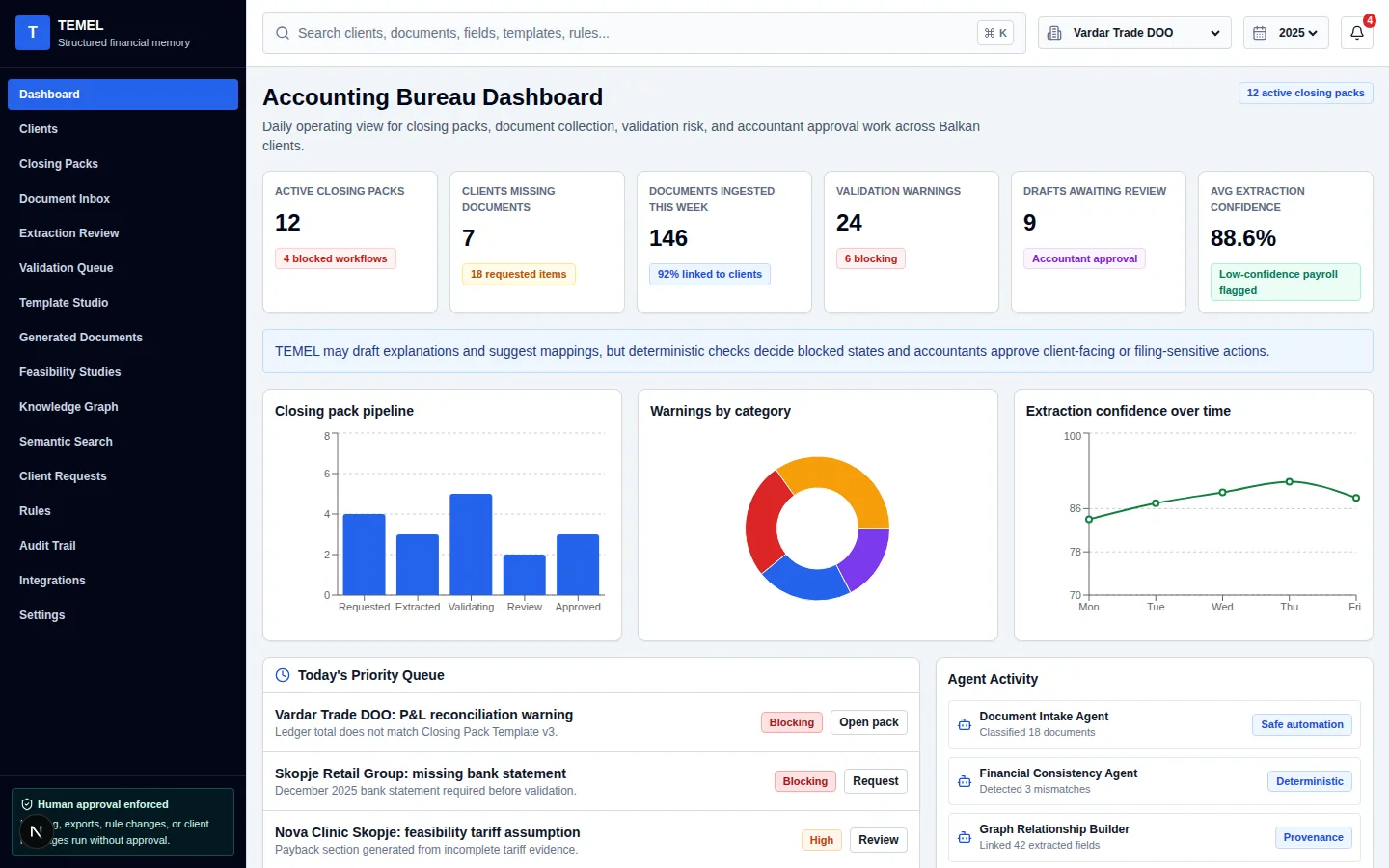
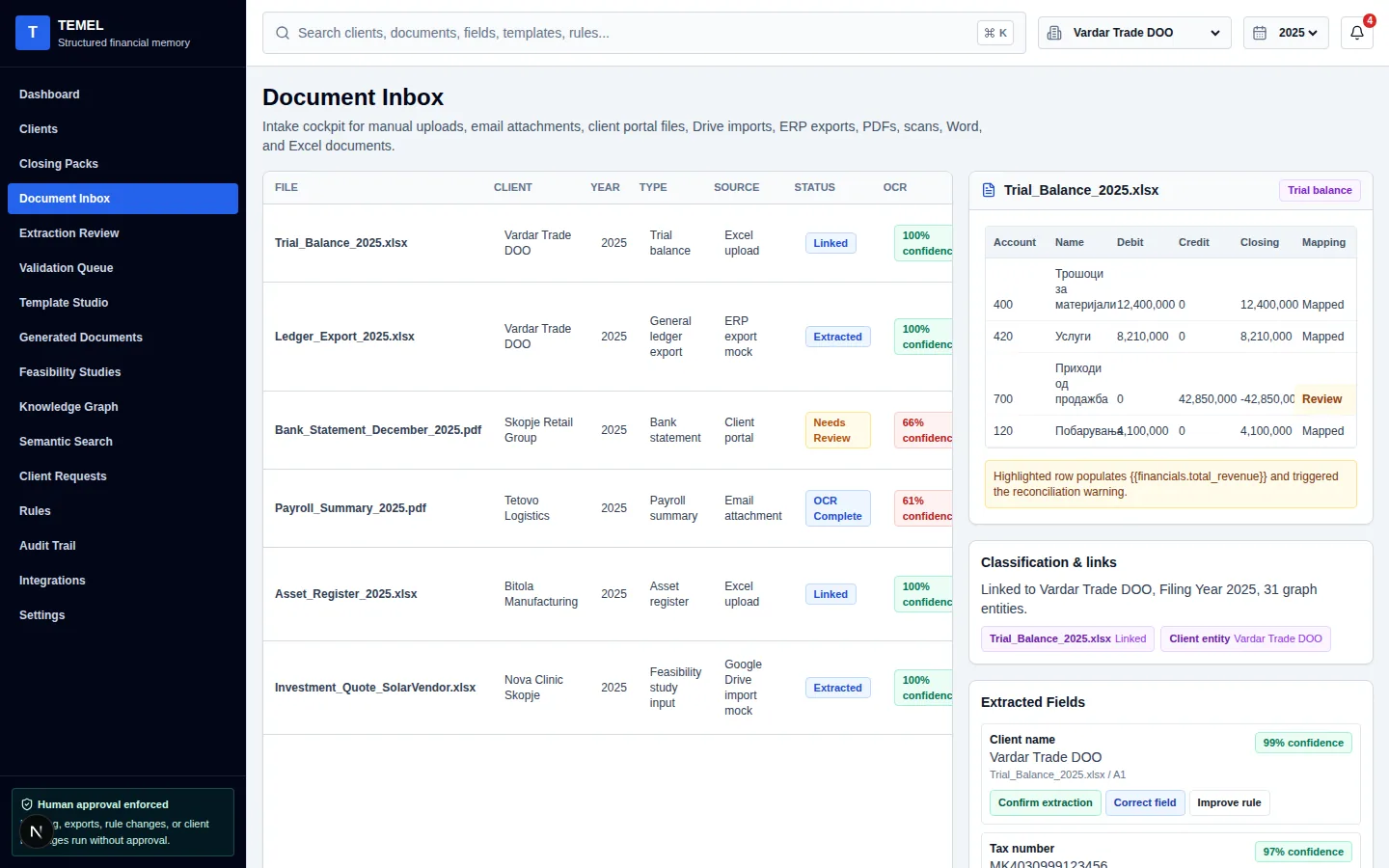
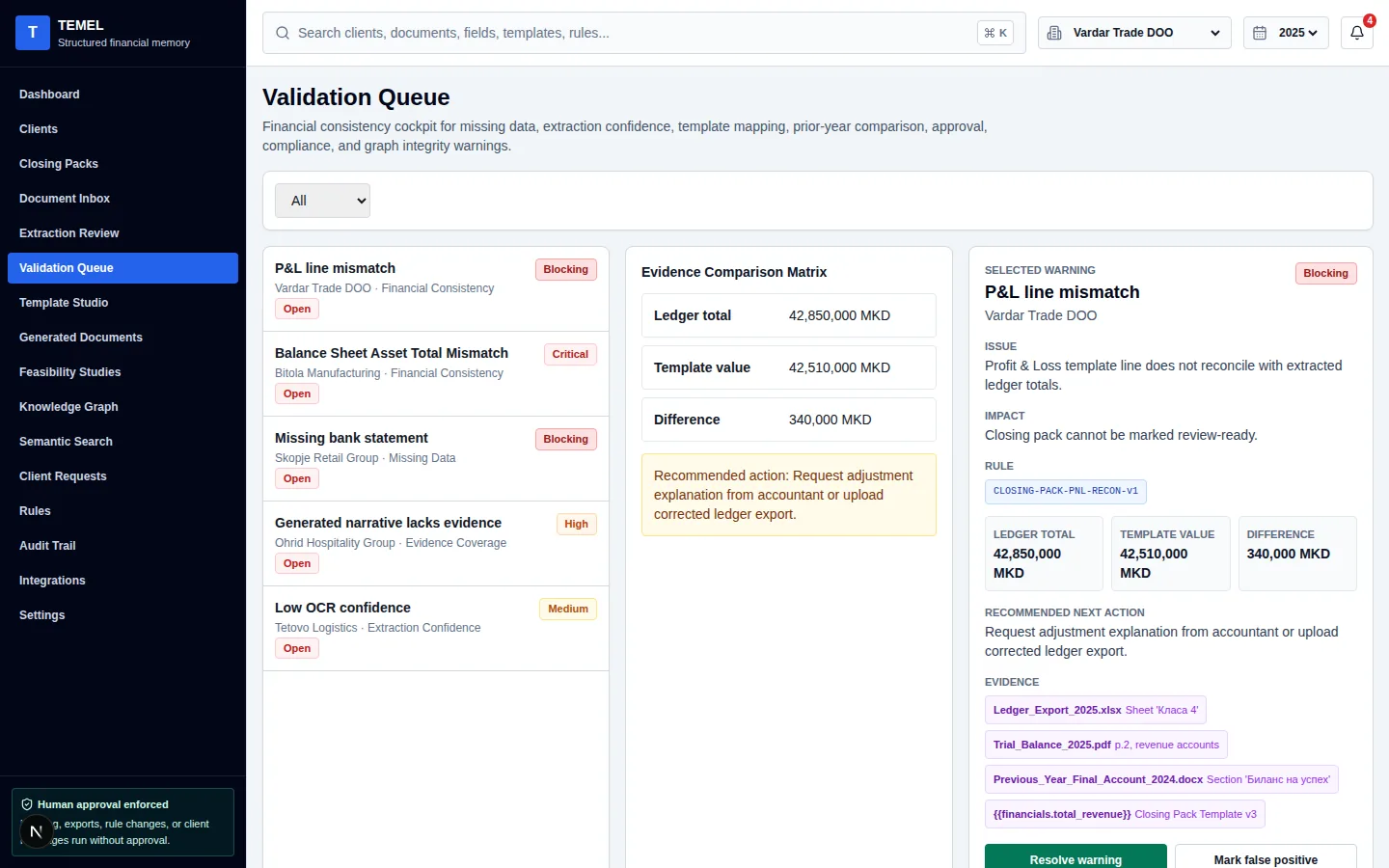
Temel accounting cockpit

A cockpit for a Balkan accounting bureau: document intake, extraction review, validation warnings and approval-gated closing packs for client filings.

  • ProblemA bureau juggles dozens of client year-ends where each closing pack stalls on a missing bank statement, a low-confidence extracted table or a reconciliation warning, and nobody has one queue showing what is blocked and why. Reviewers also cannot see which generated commentary is backed by a source document.
  • Built
    • Eighteen Next.js routes: dashboard, document inbox, extraction review, validation queue, rules, template studio, generated documents, closing packs, client requests, clients, feasibility studies, knowledge graph, semantic search, audit trail, integrations and settings.
    • A sixteen-state document workflow and a severity enum are typed constants, so no screen can invent a state.
    • Reusable governance primitives implement the review discipline: an approval gate that locks drafts until a human approves, evidence chips, an extracted-field confidence panel, a workflow timeline, a safety matrix and an audit trail.
    • One React context holds the selected client, year and pack, and resolving a warning or approving a draft appends a timestamped audit row during the session.
  • StackNext.js 15React 19Radix UIRechartsreact-hook-form + ZodTailwind
  • Evidence
    • About 1,440 lines across app, components and library.
    • Every figure comes from in-memory fixtures.
    • No tests, no git history, no README, no CI.
    • Screens were captured from the running app on 15 September 2026.
Workflow states as dataThe sixteen-step lifecycle is one typed constant driving the timeline component.
Approval gate as a componentHuman sign-off wraps generated output as a reusable primitive rather than an ad hoc flag.
Session-live audit trailResolving a warning or approving a draft appends actor, object, evidence and reason rows in real time.

Interface prototype. Everything is fixtures in React state: no database, no file ingestion, no OCR, no rules engine, and state resets on reload. No tests or documentation exist.

Full case study

The situation

Accounting bureaus in the region run year-end closing packs across many small clients, where the bottleneck is chasing documents and resolving warnings, not the accounting itself.

The constraint

The concept had to be explorable before any extraction pipeline existed, so the UI carries the full workflow vocabulary while the data behind it stays synthetic and bounded.

The system

A Next.js cockpit of eighteen role-shaped screens over one typed fixture module and a single context store, with governance primitives reused across screens.

My contribution

  • Defined the sixteen-state workflow and severity taxonomy as typed data.
  • Built the primitives that encode review discipline: approval gate, evidence chips, confidence panel, audit trail.
  • Laid out the full surface area so the operating model is legible end to end.
  • Wired a session-mutable state layer so warnings and approvals produce real audit entries in a walkthrough.

What remains

  • A real ingestion, extraction and persistence pipeline.
  • A rules engine behind the validation queue.
  • Any test coverage or documentation.

What I learned

Naming every state in the document lifecycle up front turned the UI into a specification; the screens fell out of the state list.

11Working prototypeProduct and growth systems

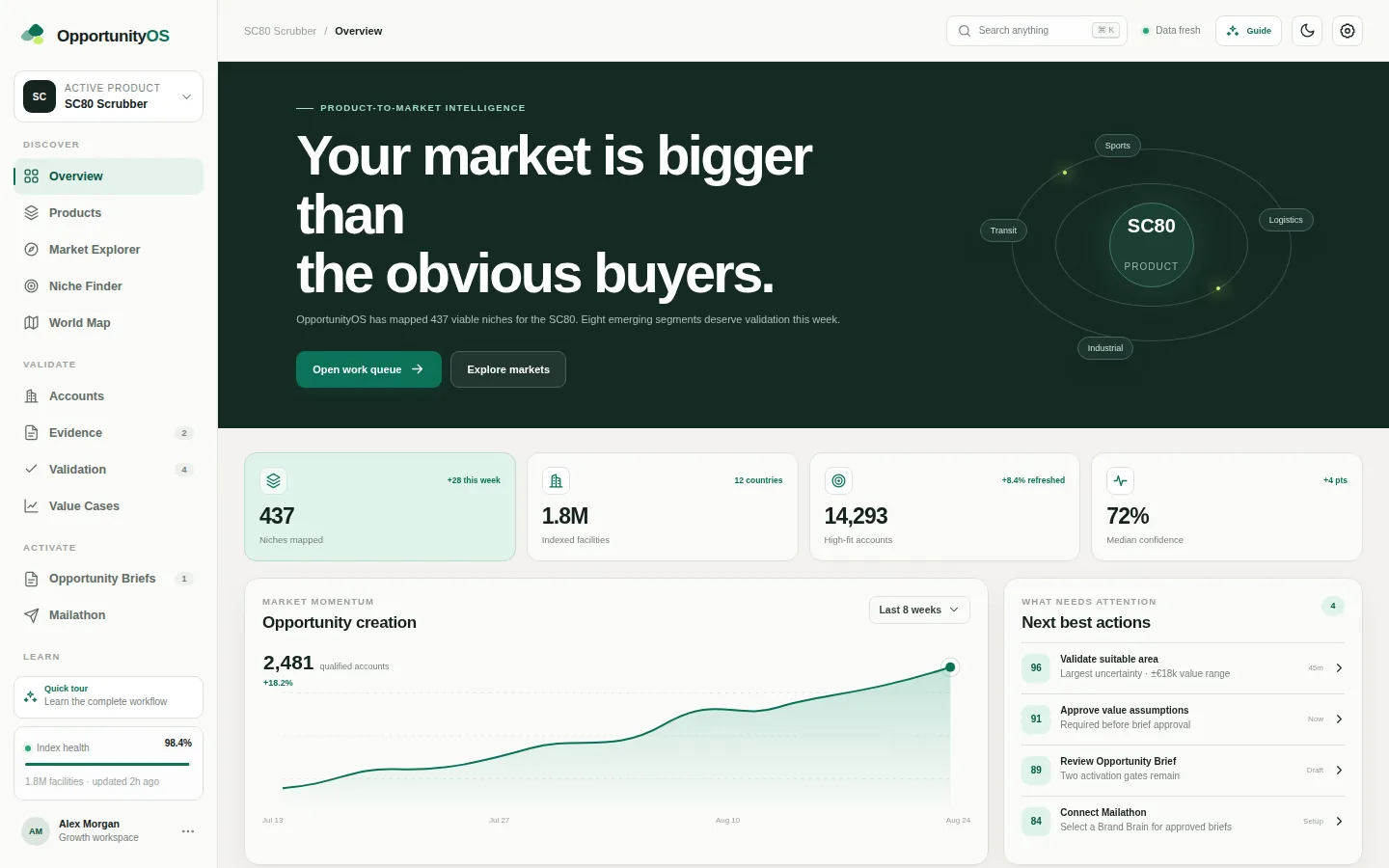
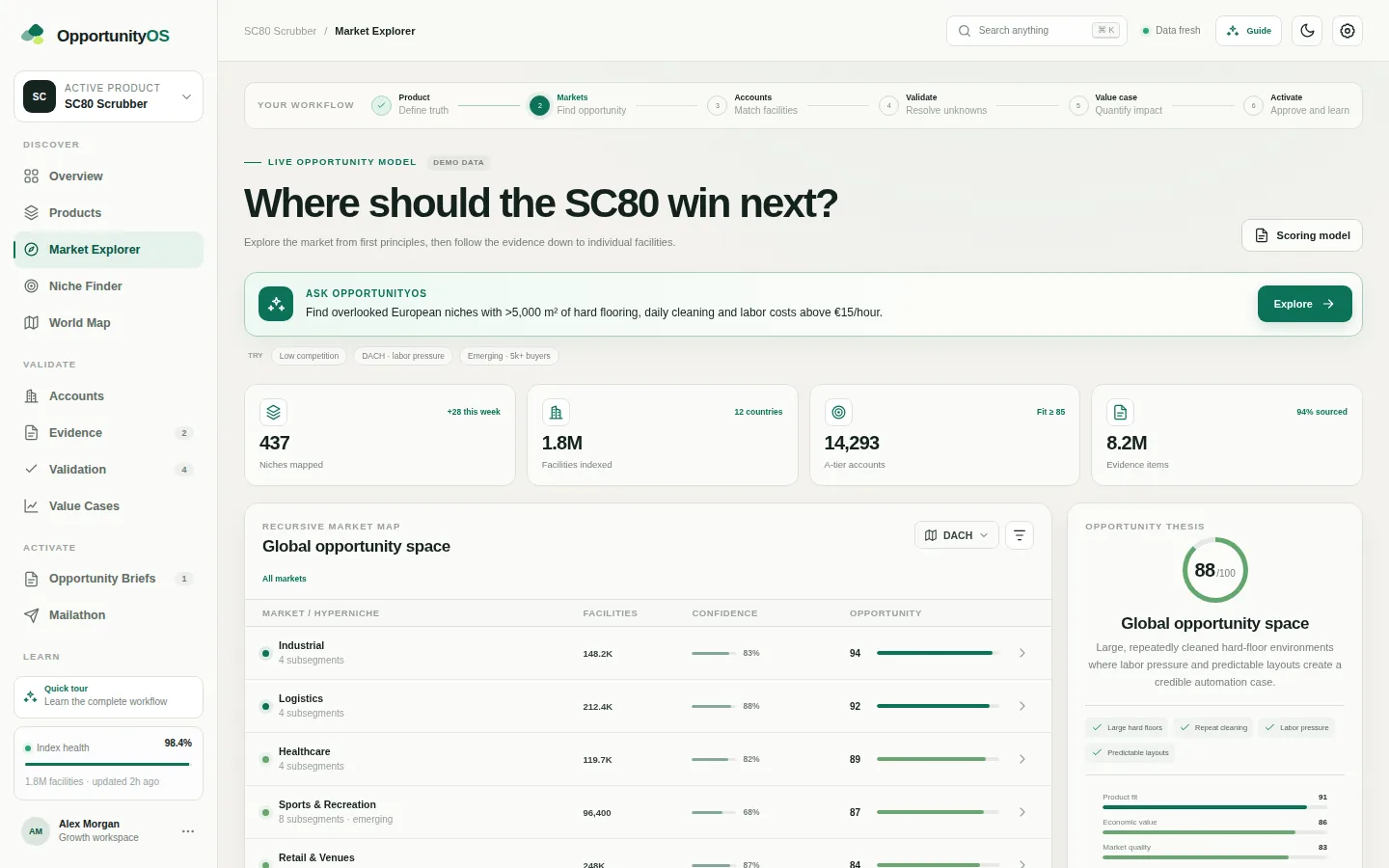
OpportunityOS

A dependency-free product-to-market workspace that takes a B2B product model down to ranked niches, real facilities, evidence-graded claims, a conservative ROI case and an approved outreach brief.

  • ProblemA B2B team picks target markets from intuition, then sends outreach that asserts savings the product cannot substantiate for that facility. There is no shared place where a claim's evidence status is visible, where the unknowns that would change the decision are queued, or where campaign outcomes feed back into the market model.
  • Built
    • A single 1,541-line vanilla JavaScript module renders sixteen views: overview, products, explorer, niches, map, accounts, evidence, validation, audit, briefs, campaigns, signals, CRM, experiments, analytics and integrations.
    • A recursive market tree runs from jobs-to-be-done down to hyperniches with separate opportunity and confidence scores
    • Facilities carry suitability estimates with score decomposition
    • A claim ledger has five states (verified, estimated, hypothesis, unsupported, prohibited)
    • Validation tasks are ranked by decision impact.
  • StackVanilla ES modulesCSS custom propertiesHand-written SVG iconsNode http (static server)localStorage
  • Evidence
    • Zero runtime or dev dependencies: 2,564 lines of source plus a 74-line server.
    • Sixteen views, seven tutorial steps, three contract builders and fifteen persistence keys.
    • No tests beyond a syntax check, no git history, no CI.
    • Screens were captured from the running app on 15 September 2026.
Opportunity and confidence never collapseThe explorer scores how good a niche could be separately from how much is known about it.
Claim states over claim textEvery assertion carries a state, and the brief builder partitions them so a hypothesis cannot be promoted to a fact.
Zero dependencies on purposeA sixteen-view workspace ships as three files plus a built-in static server.

Working prototype on bundled demo data. The Mailathon connector is an interactive test adapter with no live API and no email sent. External enrichment, document parsing, authentication, map providers and tenant isolation are absent by design.

Full case study

The situation

Finding buyers for a specialised B2B machine means reasoning from what the product can physically do to the facilities where that matters, a chain of inference that usually lives in someone's head and leaks into outreach as unsupported claims.

The constraint

Demonstrable anywhere with no install, no build step and no backend, while still showing the full contract between opportunity modelling, message generation and delivery.

The system

Three static files served by a tiny Node server: a recursive market explorer, facility-level accounts, an evidence-graded claim ledger, an impact-ranked validation queue, a live ROI model and versioned contracts behind approval gates, all persisted to localStorage.

My contribution

  • Designed the product boundary (OpportunityOS for evidence, economics and brief; Mailathon for voice; a provider for delivery; outcomes back into the model) and enforced it in the data flow.
  • Implemented the recursive market tree with separate opportunity and confidence scoring.
  • Built the claim ledger, validation queue and readiness gates.
  • Wrote the versioned contract builders and KPI event instrumentation.

What remains

  • Real enrichment, document parsing and map data behind the demo fixtures.
  • Production Mailathon, CRM and provider endpoints with webhook verification and tenant isolation.
  • Any automated test beyond a syntax check.

What I learned

Forcing every outbound assertion through a claim state and an approval gate turned 'do not overclaim' from a guideline into control flow.

Operations, markets and products

Operator consoles, a margin engine and product probes for Balkan and European businesses.

12Working prototypeData and analytics

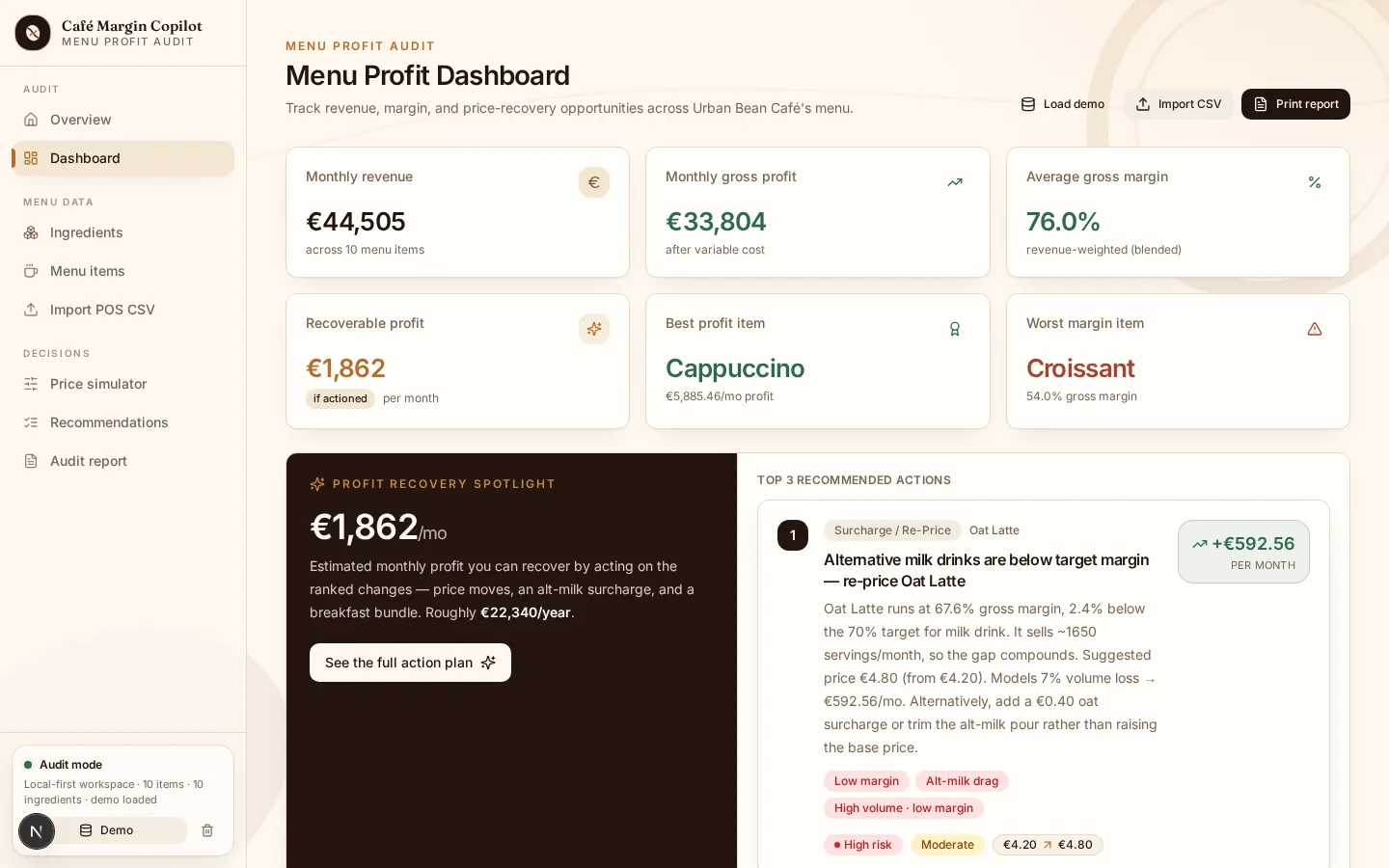
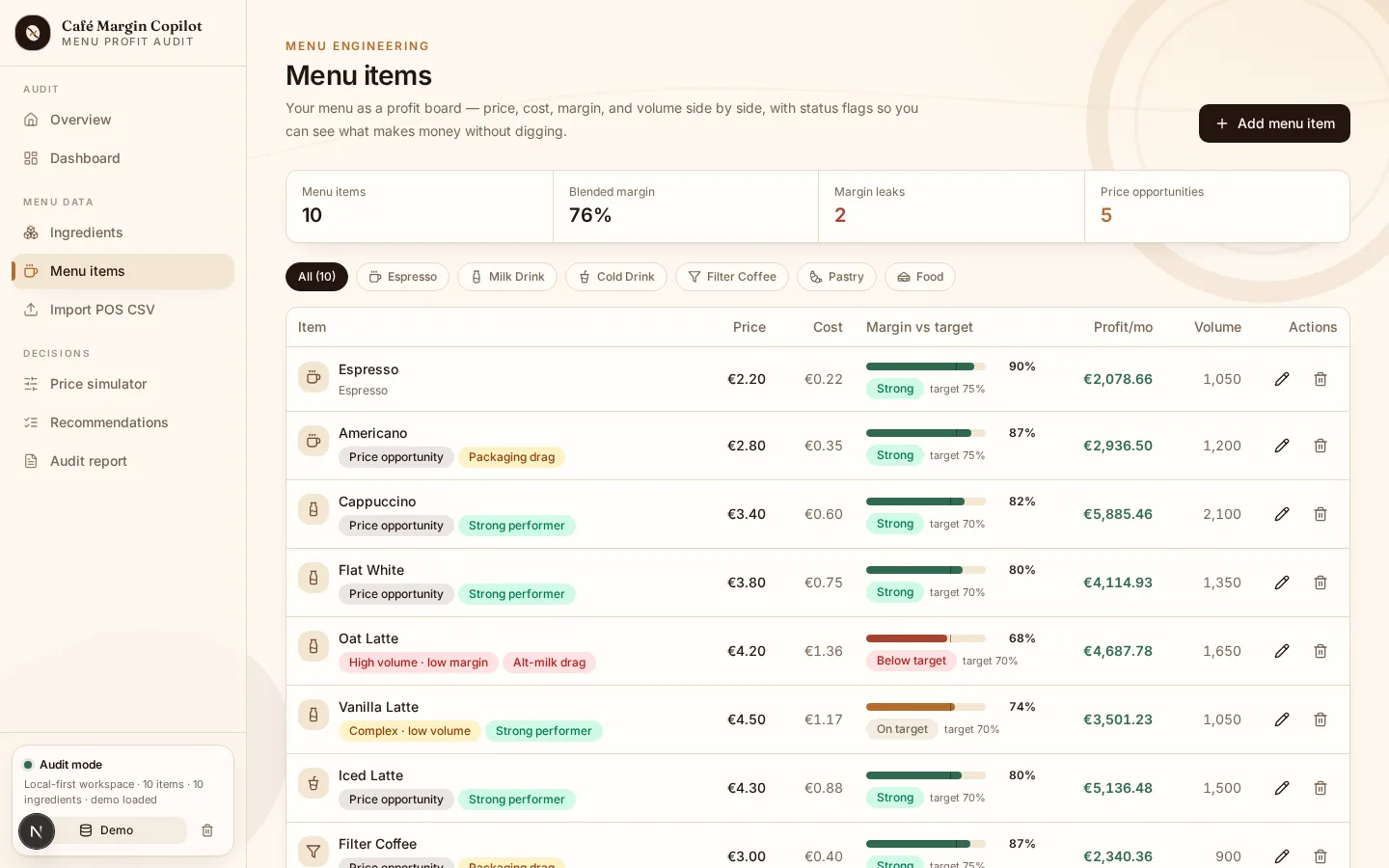
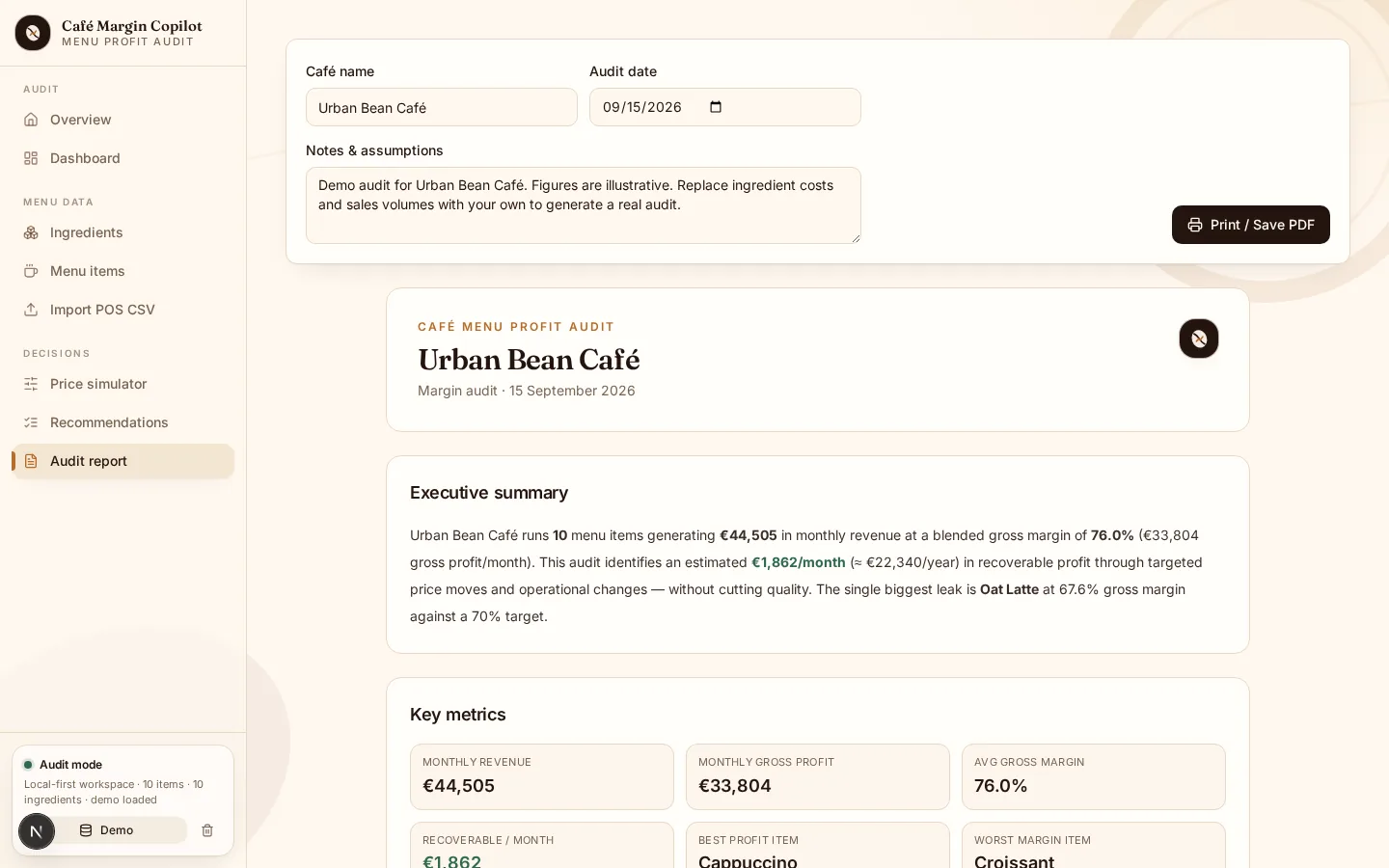
Café Margin Copilot

A local-first audit that turns a café's menu, recipes and point-of-sale export into item-level margins, ranked profit leaks and low-risk price moves, built to be sold as a printable consulting deliverable.

  • ProblemA café owner sets prices by feel and cannot tell that a €4.20 oat latte earns less margin than a €2.20 espresso once oat milk, cup, lid and waste are counted. Without cost per serving and volume data, price changes are guesses and recoverable profit stays invisible.
  • Built
    • All logic is framework-free: unit normalisation converts purchase costs to a cost per base unit across mass, volume and count so recipes in grams and millilitres price out consistently
    • The calculation module computes waste-adjusted cost per serving, revenue, gross profit, margin and the price required for a per-category target margin
    • The recommendation module raises nine flags such as high-volume-low-margin, underpriced, packaging cost drag and alternative-milk drag, and sums recoverable profit without double counting.
    • Suggested prices snap to menu-board endings and carry volume-loss risk tiers.
    • A forgiving CSV importer auto-detects columns and parses messy money formats.
  • StackNext.js 15React 19PapaparseRechartsreact-hook-form + ZodFramer MotionReact Three FiberVitest
  • Evidence
    • Four test files with 45 cases over calculations, recommendations, CSV parsing and rounding, and about 1,660 lines of pure library logic across eight routes and forty components.
    • Screens were captured from the running app on 15 September 2026.
Units before marginsA €24 per kilogram purchase becomes €0.024 per gram so grams and millilitres compare, the step most spreadsheets get wrong.
No double countingThe best single price action per item, then additive operational plays, so the headline number is defensible.
Café-friendly roundingSuggested prices land on menu endings and carry an explicit volume-loss assumption.

Working prototype for a single café, browser-only. Clearing localStorage destroys the audit, imported items show zero cost until recipes are assigned, and the elasticity and bundle models are stated heuristics. No real café engagement is evidenced.

Full case study

The situation

Specialty cafés run thin margins on a menu where alternative-milk drinks and packaging quietly erode profit, and the owner has point-of-sale totals but no per-item cost model.

The constraint

Work on a laptop at the owner's table with data never leaving the machine, and produce a printable artefact worth paying for in one sitting.

The system

A Next.js app where every number comes from pure functions (unit conversion, cost per serving, flags, rounding, recommendations) over a localStorage-persisted audit object, with CSV import and a print-ready report.

My contribution

  • Wrote the costing core: base-unit conversion, waste-adjusted cost per serving, target-margin required price.
  • Designed the nine-flag diagnosis and the non-double-counting roll-up.
  • Built the forgiving CSV importer.
  • Unit-tested the calculation surface across 45 cases and kept all logic framework-free.

What remains

  • Multi-location support and whole-audit export and import.
  • Elasticity learned from real before-and-after price changes.
  • Labour and fixed-cost overlay for true contribution margin.

What I learned

Making the engine pure and the persistence a thin shell meant the sellable part of the product, the arithmetic, could be tested exhaustively without infrastructure.

13Working prototypeData and analytics

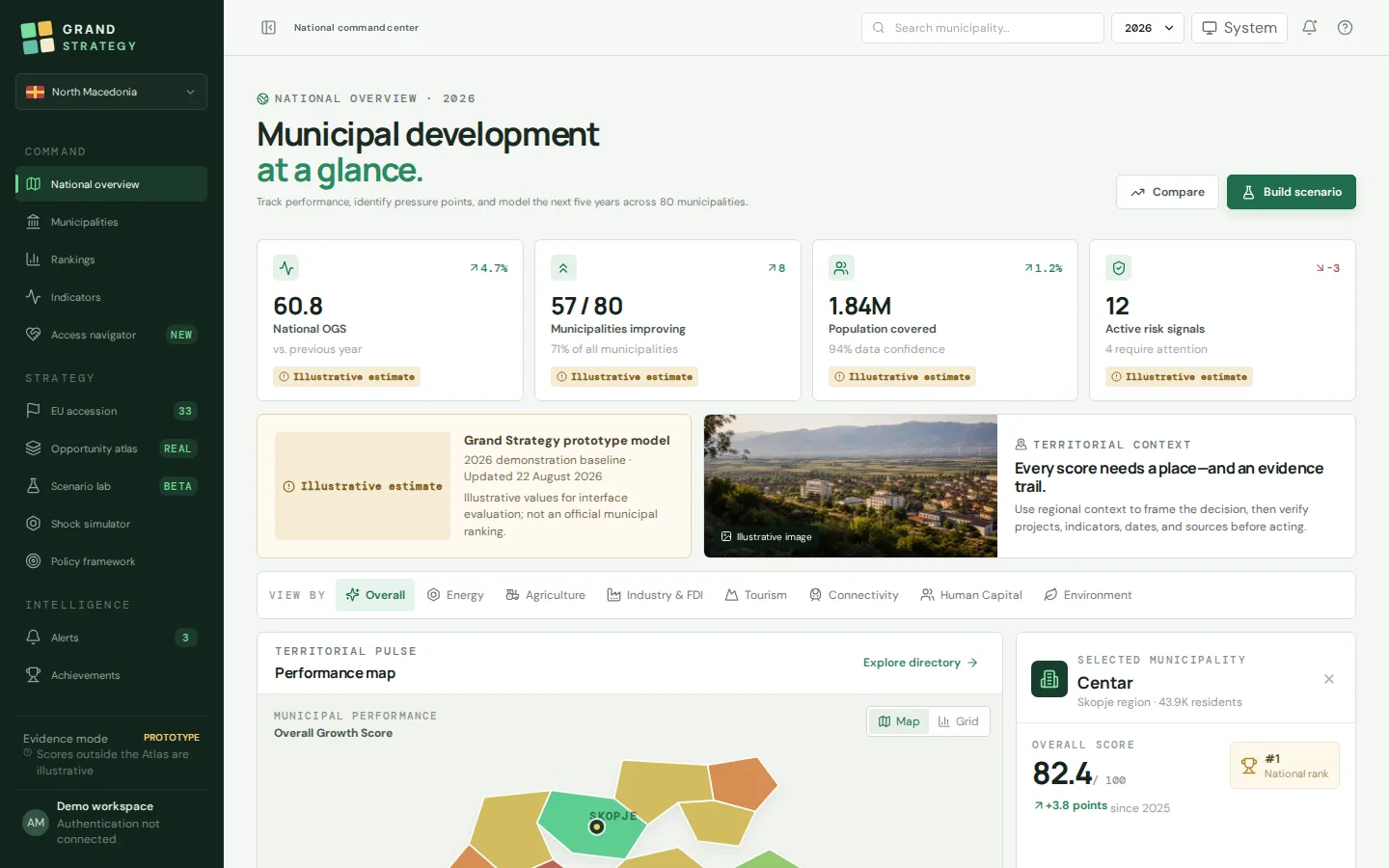
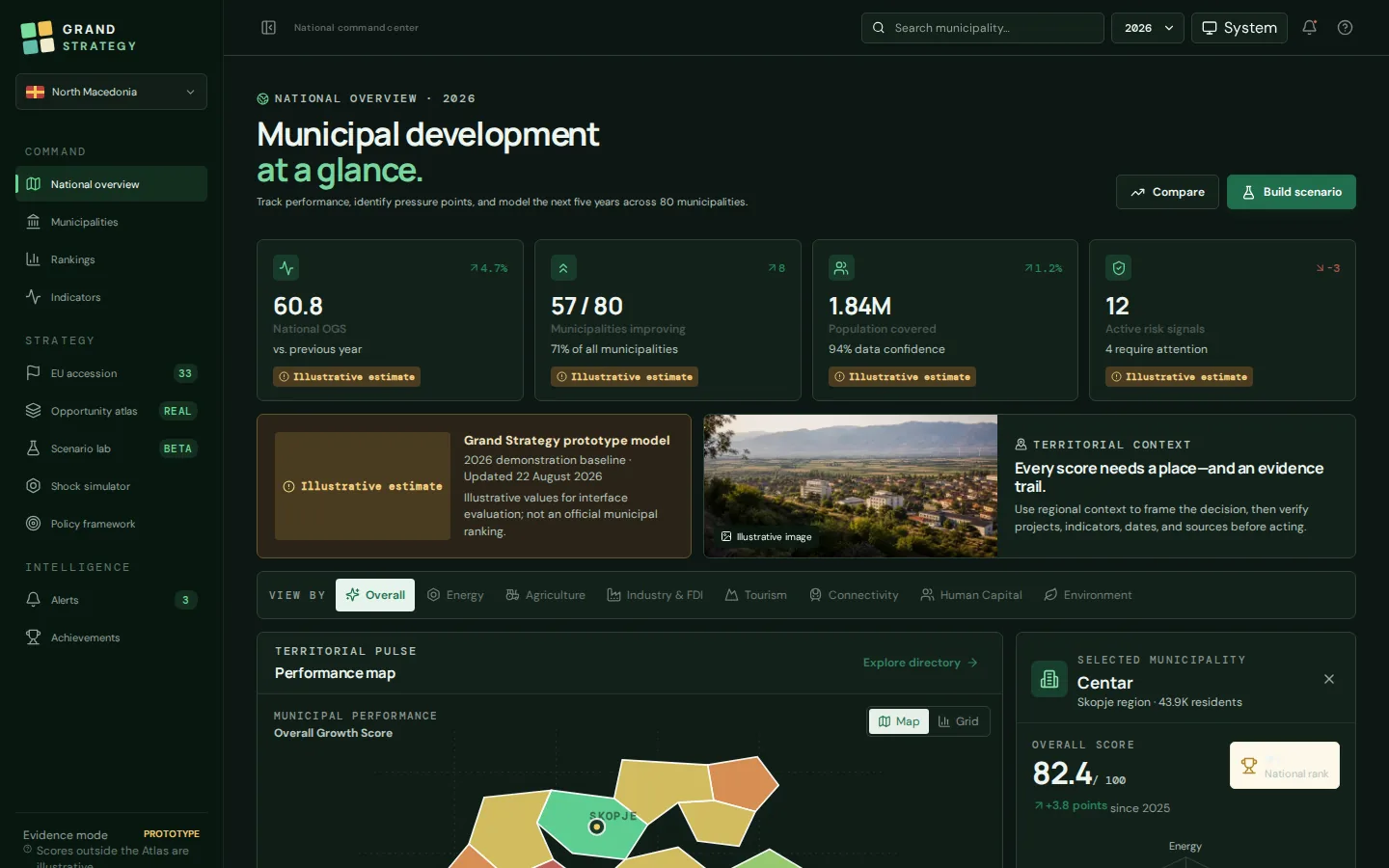
Municipal strategy engine

A national dashboard prototype that lets Macedonian ministries and municipal planners compare 80 municipalities, browse an evidence-tagged project atlas and run budget and shock scenarios.

  • ProblemMunicipal investment decisions are argued from scattered PDFs, with no shared baseline and no way to test a five-year allocation. A planner cannot see which municipality is weak on which vector, which real projects already target it, or what a flood or energy shock would do to the trajectory.
  • Built
    • A deterministic scenario core: a scenario function returns projected score, uplift, probability, jobs and municipalities reached with a year-by-year baseline-versus-optimised curve, and a shock function uses a per-hazard table (flood, drought, energy crisis, migration wave, pandemic, earthquake) to produce a recovery path with and without response.
    • The register is real data: 80 municipalities with official codes and Census 2021 populations from the statistics office, 29 infrastructure and energy projects each with status, vectors, funders and a source label, URL and date, and EU accession chapters mapped to clusters with links to the 2025 Commission report.
    • A provenance layer types every figure as official, verified-derived, estimated, scenario, research hypothesis or unavailable and renders a badge.
    • Any table exports to CSV or JSON.
    • The map is a hand-authored SVG of 23 municipality cells.
  • StackNext.js 16React 19RechartsTypeScriptGeoJSON (unused so far)
  • Evidence
    • About 3,250 lines across app, library, tests and scripts.
    • One test file with three cases (determinism, monotonicity, shock bounds).
    • A quality script asserts dark tokens, reduced-motion support, focus states and image provenance.
    • Data: 81 GeoJSON features, 80 baseline municipalities, 29 project records, 43 EU chapter entries, four research documents and a 58 KB spec.
Provenance as a typeEvery displayed number carries an evidence status and a badge, so scenario output cannot pass for official statistics.
Grand-strategy mechanics as specProvince state vectors from strategy games reverse-engineered into a municipal state vector with a five-phase update pipeline.
Design invariants by scriptThe quality check fails the build on missing dark tokens, unreachable focus states or a missing provenance file.

Working prototype. The shipped GeoJSON is unused; the map is 23 hardcoded SVG paths, not the 80-municipality granularity the spec describes. Scenario and shock coefficients are hand-tuned formulas with no calibration, and the headline scores are labelled illustrative because they are.

Full case study

The situation

A 58 KB design document existed for a national municipal optimisation dashboard. The task was to get from grand-strategy mechanics to something a policy audience could click.

The constraint

Real municipal indicators are mostly unpublished or scattered, so the interface had to be honest about which numbers are official and which are placeholders, without hiding placeholders behind a login.

The system

A client-side Next.js app: pure scenario and shock functions, a research-sourced project atlas and census baseline, a provenance type system, an inline SVG choropleth, radar and area charts, and export for every table.

My contribution

  • Wrote the scenario and shock engines as pure, bounded, testable functions.
  • Built the evidence taxonomy and wired it into every KPI card and table.
  • Assembled the 29-project atlas and 80-municipality baseline with citations.
  • Wrote the quality script that enforces accessibility, theming and provenance invariants.

What remains

  • Bind the 81-feature GeoJSON to the map.
  • Replace illustrative scores with indicators derived from official series.
  • Calibrate scenario and shock coefficients against historical outcomes.

What I learned

Encoding 'how do we know this' as a type rather than a footnote made the gap between registry data and demo scores structurally visible instead of rhetorical.

14Working prototypeProduct and growth systems

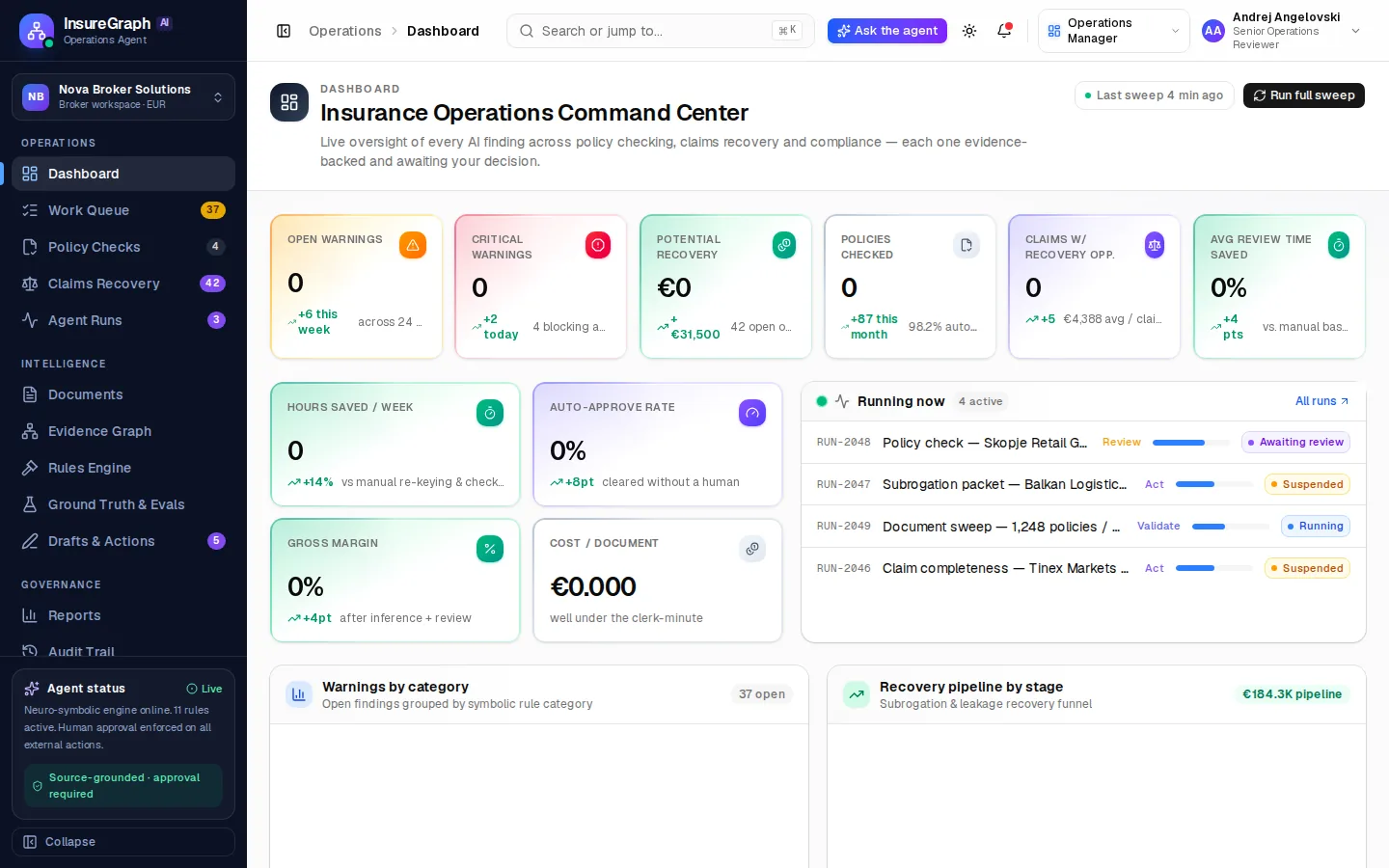
Six Balkan SaaS prototypes

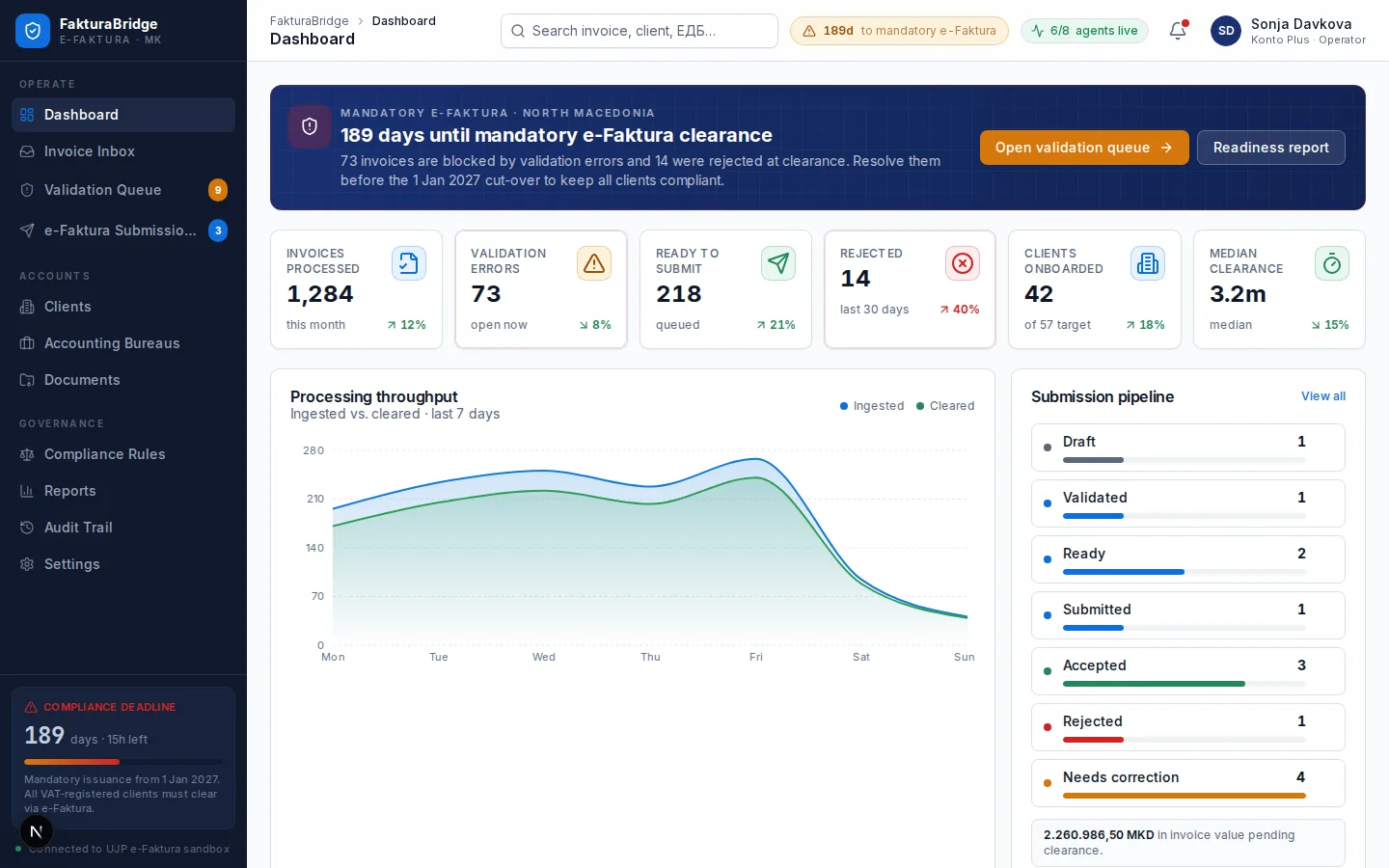
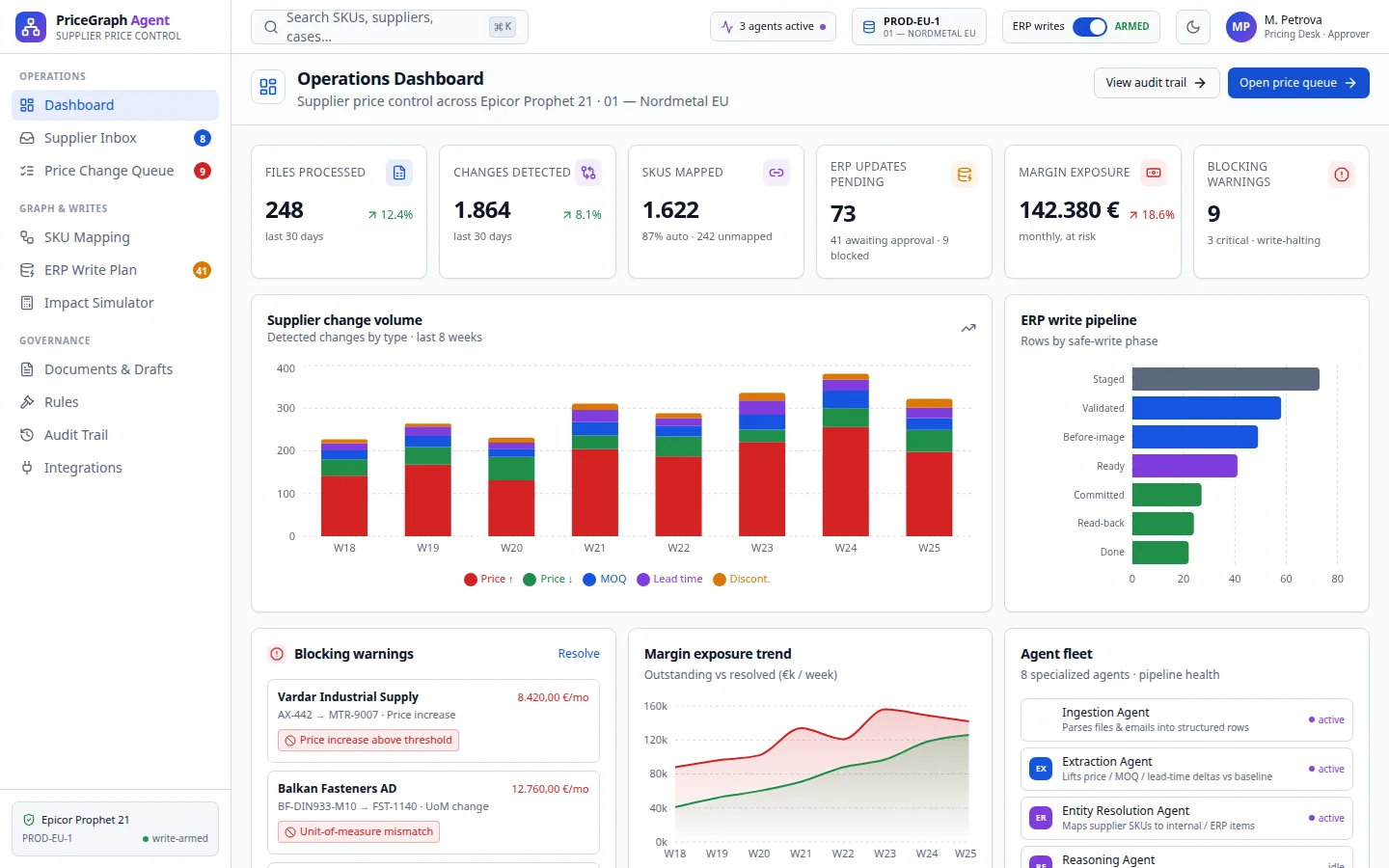
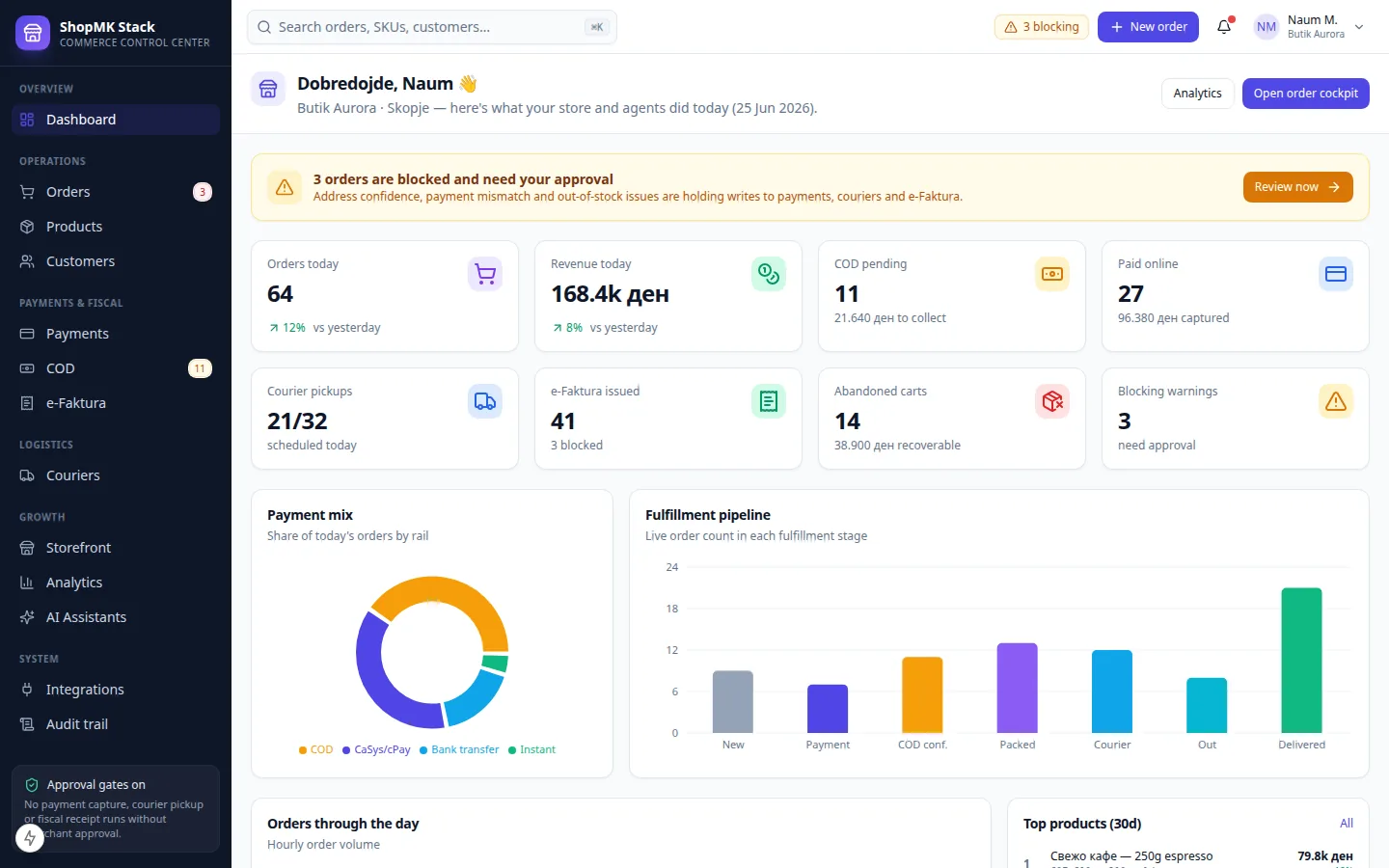
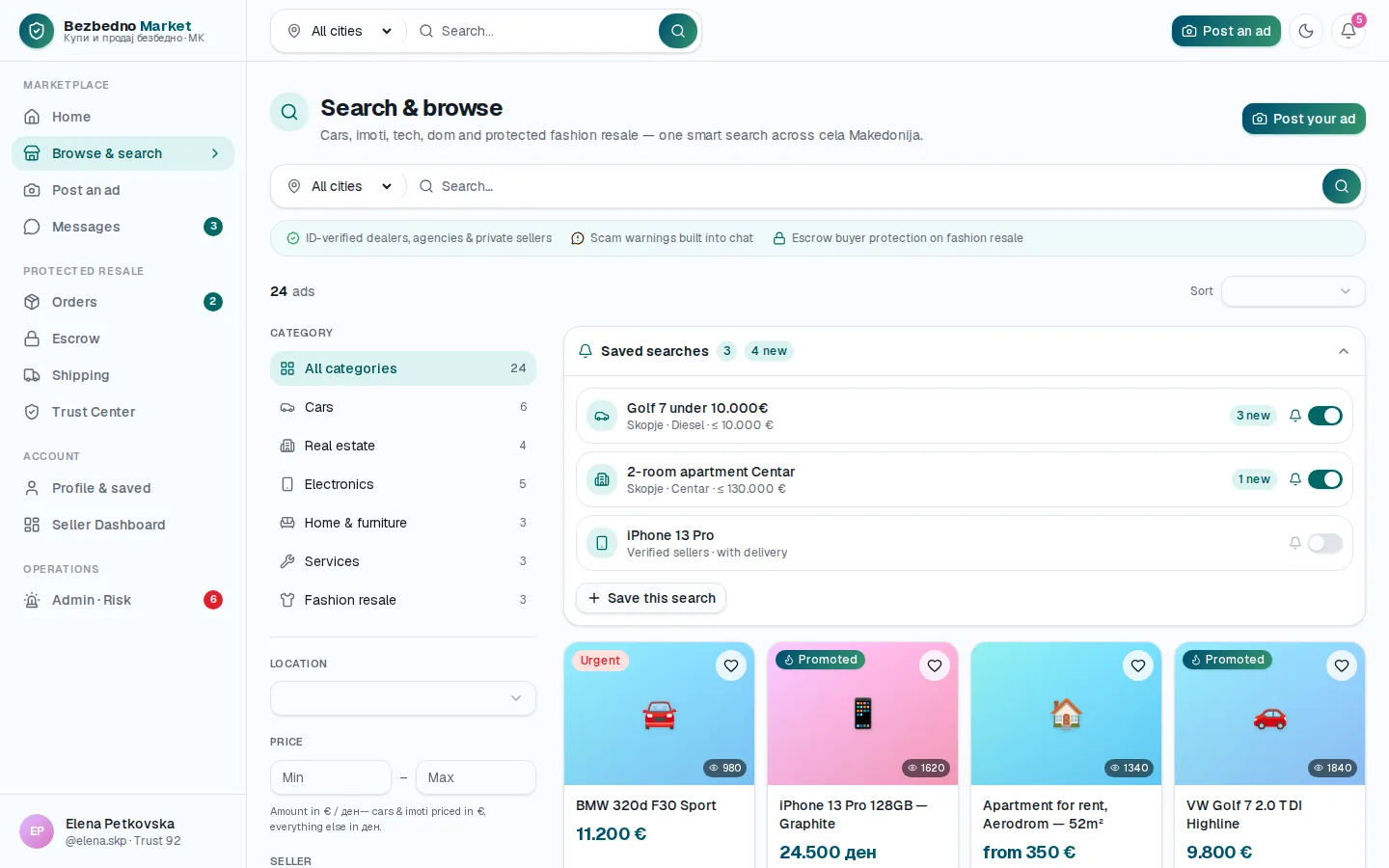
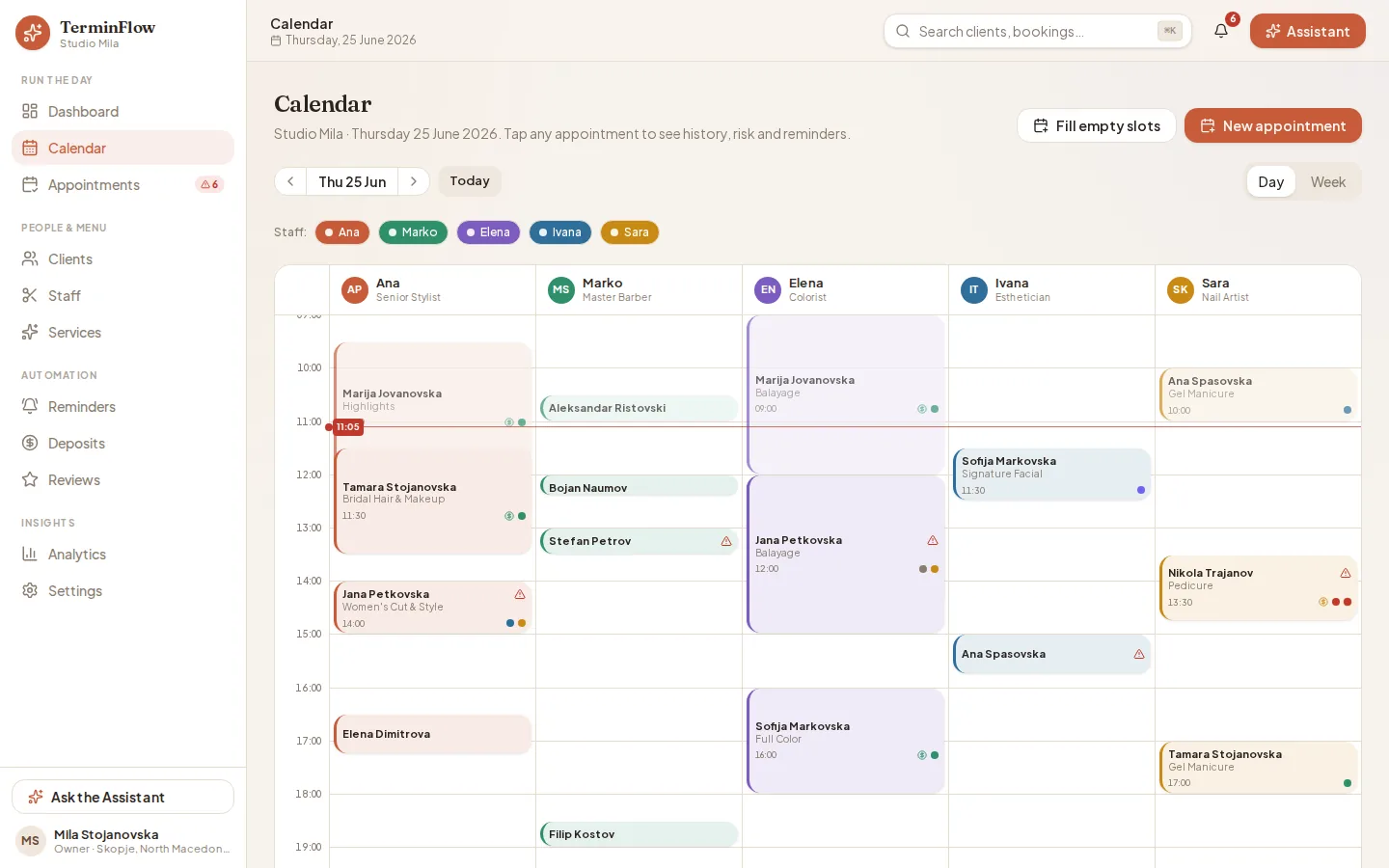
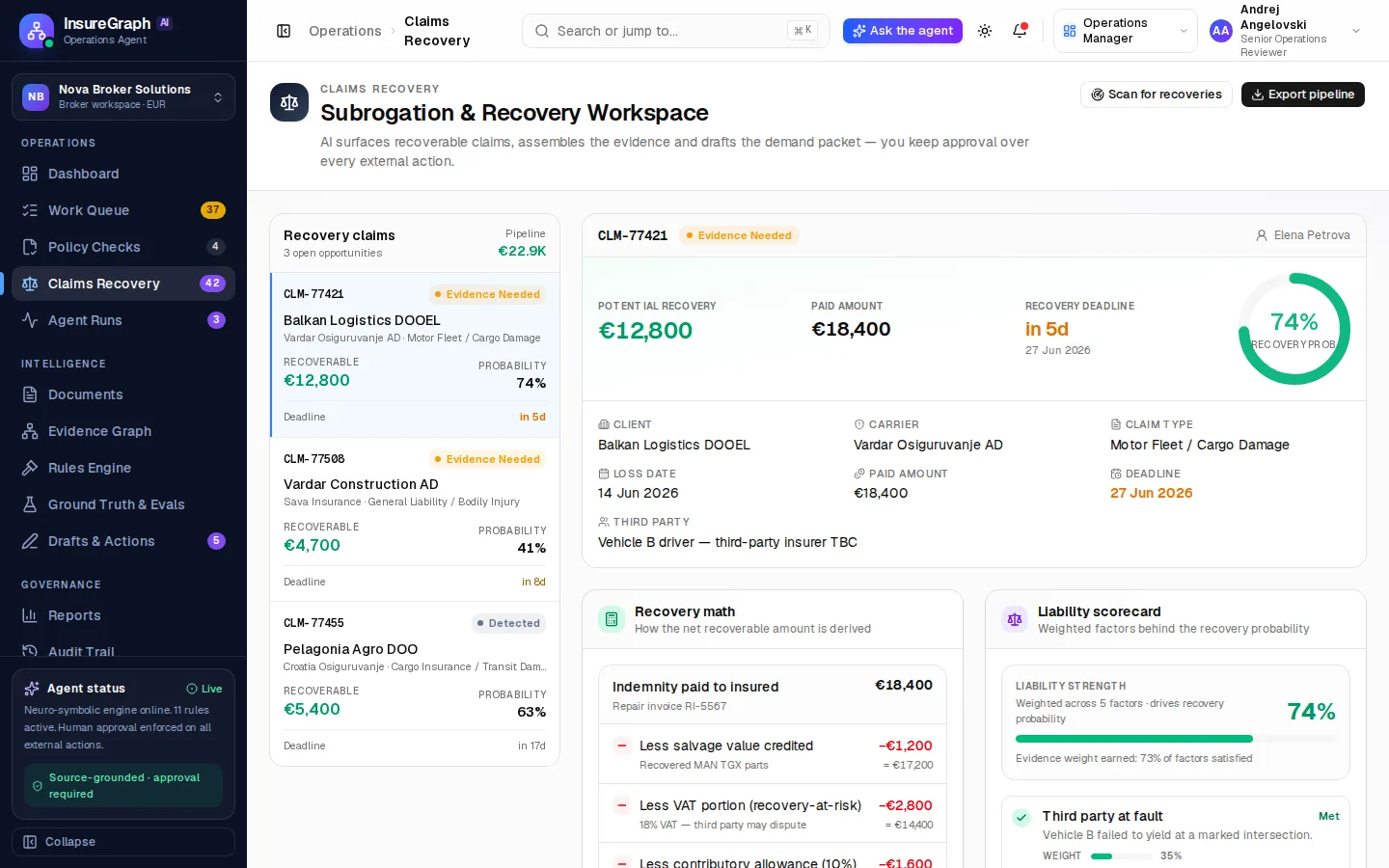
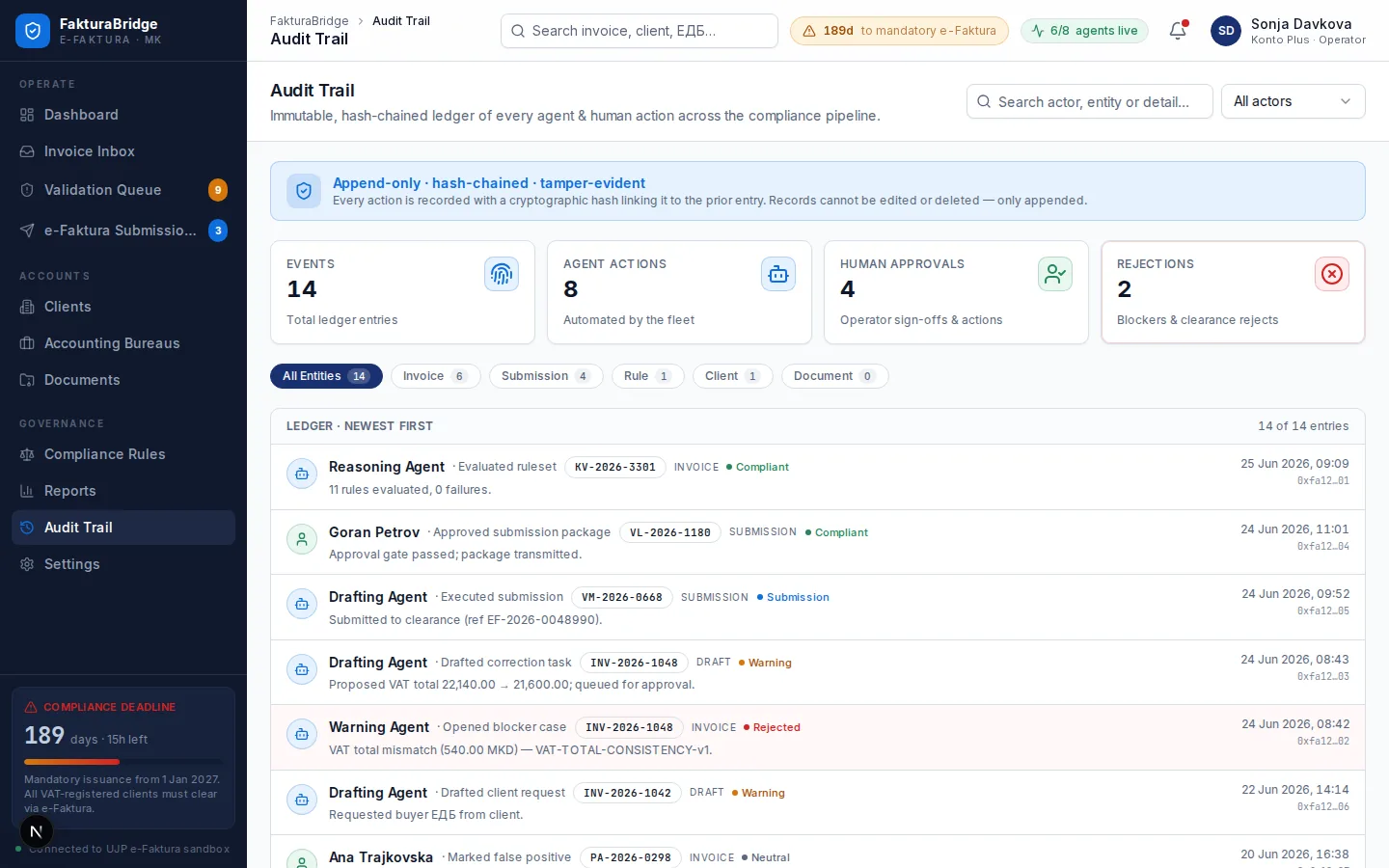
Six high-fidelity, mock-data product prototypes for Macedonian business software: e-commerce operations, e-invoicing compliance, a trust-led classifieds marketplace, salon booking, supplier price ingestion and an insurance operations agent.

  • ProblemSeveral candidate Balkan B2B software wedges, and no evidence which one is worth building. The cheapest way to find out which parts of a domain you do not understand is to make each idea clickable before committing engineering to it.
  • Built
    • Six independent Next.js App Router apps sharing one design language.
    • ShopMK Stack: fourteen routes including orders, cash on delivery, couriers, payments, e-invoicing and an audit trail.
    • FakturaBridge: twelve routes including an invoice inbox, validation queue, e-Faktura submissions, rules, accounting bureaus and a UBL invoice module.
    • Bezbedno Market: fourteen routes including multilingual Cyrillic, Latin and Albanian search, a photo-first post-ad flow, escrow, shipping and a trust centre.
    • Salon booking: twelve routes for calendar, appointments, staff, deposits, reminders and reviews.
  • StackNext.js 15 and 16React 19TypeScriptTailwindshadcn/ui + RadixRecharts
  • Evidence
    • About 72,600 lines of TypeScript across 493 source files, all six with production builds.
    • InsureGraph has ten commits between 22 and 25 June 2026 including a merged pull request
    • The marketplace and salon apps have two commits each
    • The other three have no git history.
    • No tests and no CI in any of the six.
Six wedges in one weekFive of the six were built between 22 and 25 June 2026, each with a full route map rather than a landing page.
Compliance as the productThe e-invoicing and supplier apps model the boring middle: validation queues, rules, audit trails, an ERP write plan.
Trust made visibleThe insurance app puts blocking warnings, evidence citations, confidence with provenance and prompt-injection quarantine in the UI.

Interface prototypes. All six are mock-data front ends with no backend, persistence, auth, document processing or tests. Only the insurance app has meaningful version history.

Full case study

The situation

Several candidate Balkan B2B markets and no evidence which one deserved a real build.

The constraint

Front-end-only prototypes on mock data, a few days each, with realistic Macedonian and Balkan domain data rather than lorem ipsum.

The system

Six independent Next.js apps sharing a component library, each with a complete route map, a typed data layer and scripted walkthroughs.

My contribution

  • Modelled each domain as a typed data layer before building UI, including a UBL invoice module for e-invoicing.
  • Built operator-console surfaces (queues, rules, audit trails, impact simulators) rather than marketing pages.
  • Made the human-approval and evidence-provenance model visible in the insurance app.

What remains

  • None has a backend or a user.
  • Pick one wedge and build it for real, with tests.

What I learned

A clickable route map exposes which parts of a domain you do not actually understand.

15Working prototypeProduct and growth systems

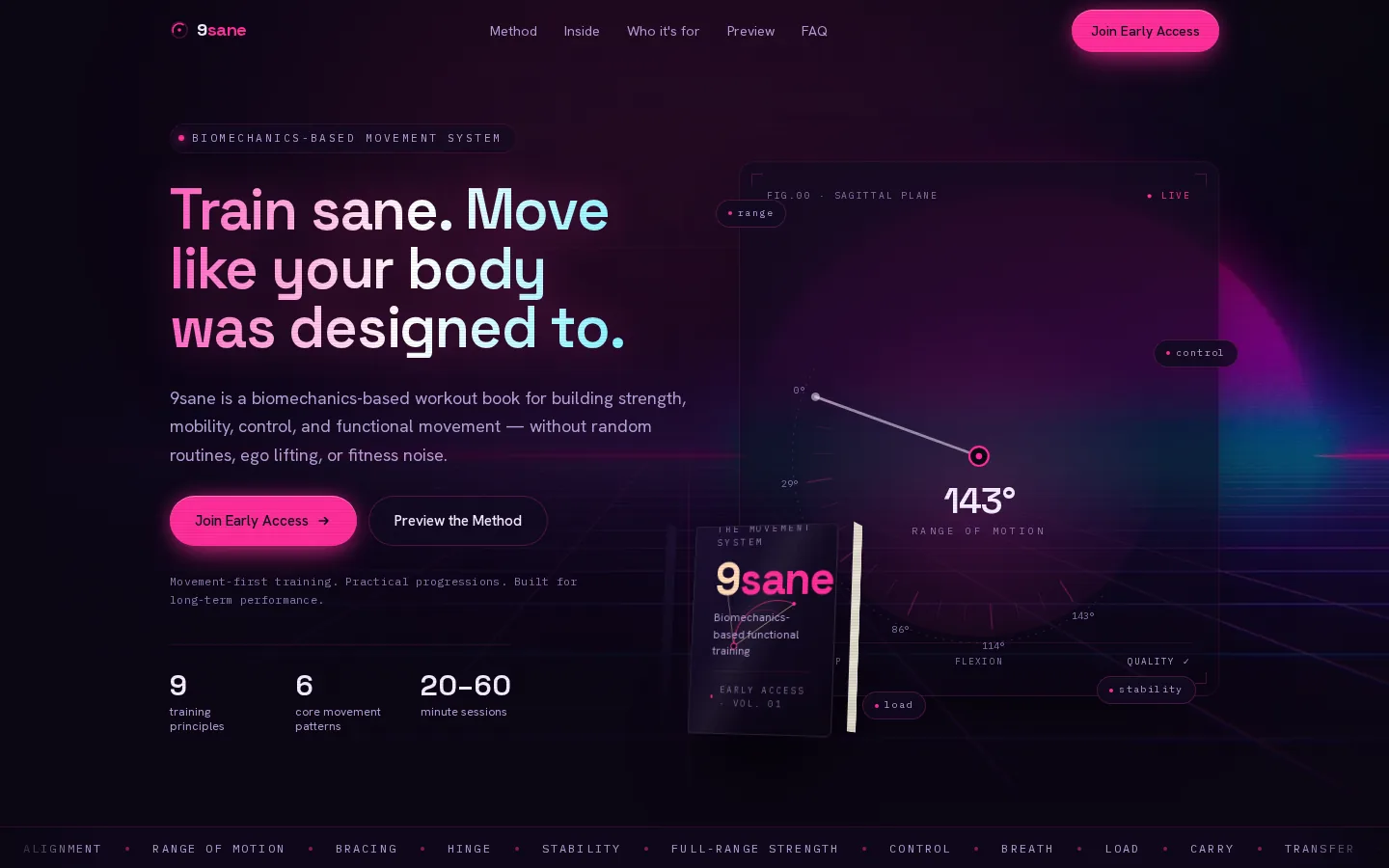
9sane launch page

A conversion-focused launch page for a biomechanics-based workout book, built to collect early-access sign-ups without fabricating testimonials, statistics or medical claims.

  • ProblemA first-time author needs a launch page that reads as scientific and trustworthy while collecting emails. Off-the-shelf templates push exactly the social proof and outcome claims the product cannot honestly make.
  • Built
    • Fourteen composed sections (hero, ticker, problem, solution, method, book preview, audience, benefits, sample workout, credibility, author, lead capture, FAQ, footer) with every string held as typed data in one content module.
    • Structured data emits Organization, WebSite, Book and FAQ schema, plus a generated Open Graph image, icon, manifest, robots and sitemap.
    • Motion is partitioned: Framer Motion drives only the hero goniometer, while scroll reveals are CSS plus a shared IntersectionObserver so content is fully visible with JavaScript disabled.
    • The early-access endpoint validates email shape and handles a honeypot but is marked as not persisting.
    • Custom SVG and CSS graphics carry the identity alongside four generated media assets loaded behind reduced-motion and save-data guards.
  • StackNext.js 16React 19MotionTailwind 4next/fontaxe-core (dev)Playwright (dev)
  • Evidence
    • 47 source files and about 1,560 lines across the page, content module and sections
    • The page builds and prerenders statically.
    • One scaffold commit from 23 June 2026 with the entire page uncommitted.
    • No tests, no CI, and the README's accessibility claim has no recorded run.
    • Screen captured from the running app on 15 September 2026.
Copy as typed dataAll page text lives in one module, so structure and message are edited independently and placeholders stay greppable.
Progressive enhancementReveals are IntersectionObserver plus CSS, so nothing hides behind JavaScript and reduced motion degrades to the static poster.
Integration points marked, not fakedLaunch markers name the exact files for domain, email provider, analytics, testimonials and checkout.

Working prototype. Submitted emails are validated and discarded, the canonical URL is a placeholder, credibility and author sections contain marked placeholder content, and the accessibility claim is untested in this tree.

Full case study

The situation

A biomechanics workout book needed a pre-launch page that could collect sign-ups and look credible to a training-literate audience.

The constraint

No testimonials, no invented statistics, no medical claims, and the page had to stay fast and fully readable with motion disabled or JavaScript off.

The system

A statically prerendered route composed of fourteen sections over a typed content module, with SVG and CSS graphics for identity, structured data for search, and a marked-but-unwired lead endpoint.

My contribution

  • Separated copy from layout so every claim lives in one auditable file.
  • Built the hero goniometer and book mockup as CSS and SVG graphics instead of stock photography.
  • Implemented reveals as progressive enhancement with reduced-motion and no-JavaScript fallbacks.
  • Wrote the lead endpoint with honeypot handling and documented the integration seams.

What remains

  • Connect the email provider and persist leads.
  • Replace placeholder credibility and author content.
  • Commit the work and record an accessibility run.

What I learned

With social proof off the table, the page had to earn trust through method and structure, which is what drove the goniometer and blueprint visual language.

16Concept or parkedProduct and growth systems

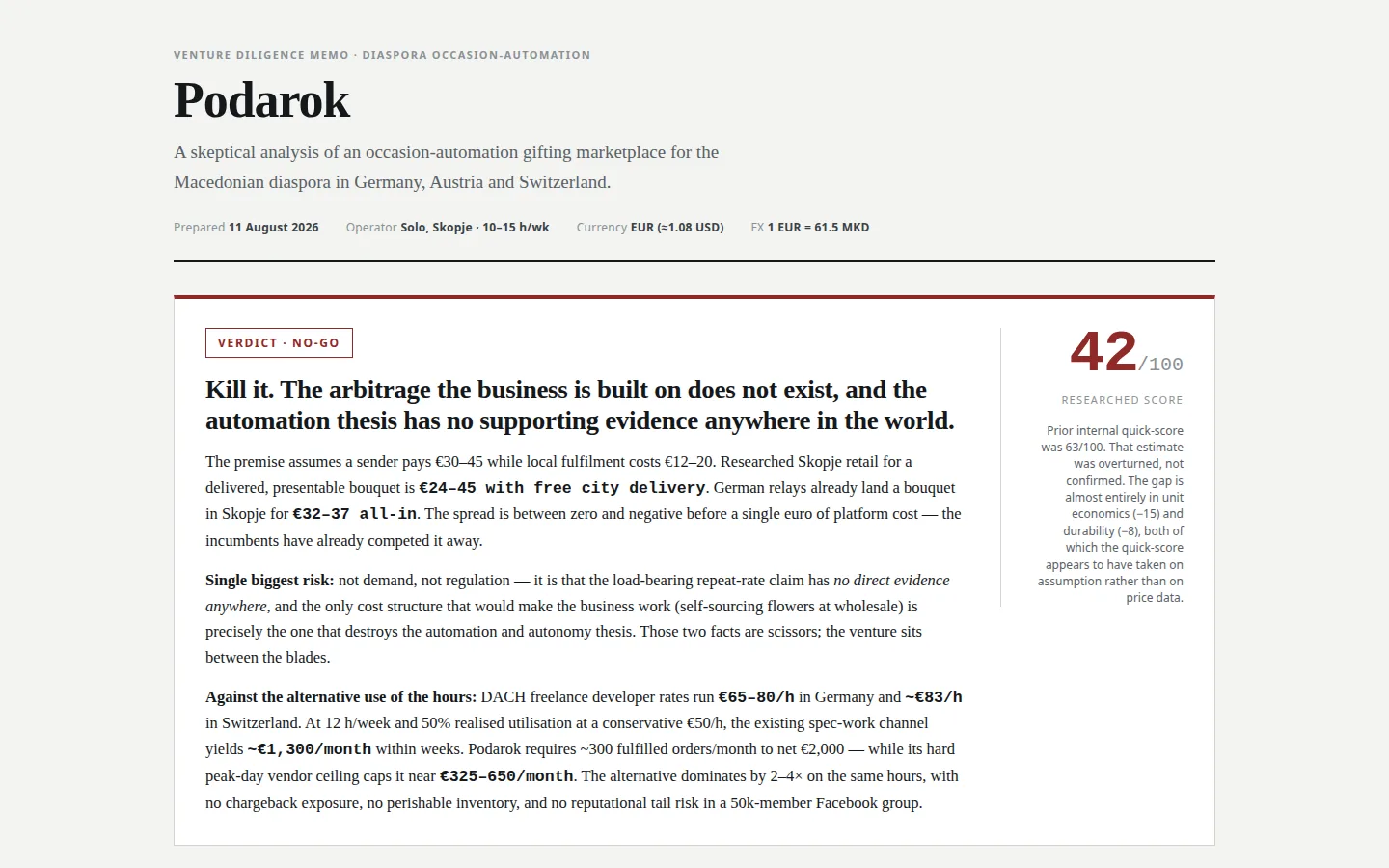
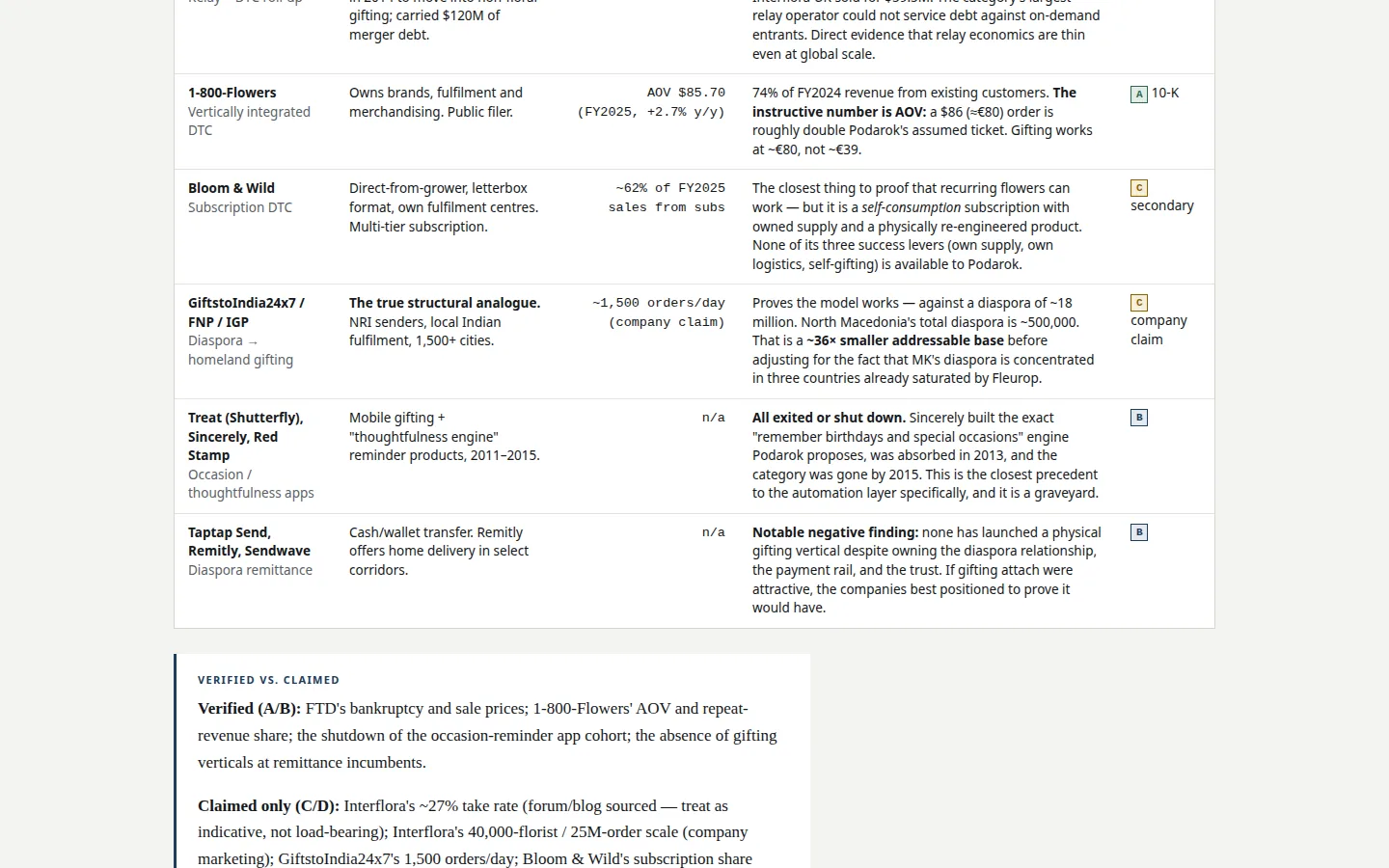
Podarok venture diligence

A diligence memo that killed a diaspora gift-delivery idea, plus a deliberately throwaway instrumentation kit built to falsify that verdict with five measurable gates.

  • ProblemDecide whether Macedonian-diaspora buyers in German-speaking countries will pre-pay for occasions that have not happened yet, and answer it with the cheapest possible instrument rather than by building a company.
  • Built
    • A 74 KB standalone memo with reference-model forensics across five comparable families, a unit-economics teardown showing the assumed arbitrage is zero to negative, an opportunity-cost comparison against freelance rates, and a 42 out of 100 score that explicitly overturns a prior 63 out of 100 quick score.
    • The falsification kit is a Next.js and Prisma app with a bilingual order form, a token-gated dashboard stating pass, fail or no data against thresholds, a public delivery-proof page, and a Telegram bot that is the operator console.
    • The schema splits Order from Occasion so 'did they pre-commit'
    • Is a query, and an append-only event log records form views before any field is touched so the denominator is buyers, not page loads.
  • StackNext.js 16React 19Prisma 7 + PostgresTelegram Bot APITailwind 4
  • Evidence
    • The memo is dated 11 August 2026 and the code 12 August 2026: 2,628 lines of TypeScript, five API routes and one migration, all uncommitted beyond a scaffold commit.
    • No orders, no vendor quotes and no gate results exist.
    • No tests, no CI.
Arguing against my own priorA 63 quick score overturned to 42, with the drop attributed to unit economics and durability.
Schema as hypothesisSplitting Order from Occasion is the entire design, because it turns pre-commitment into a database query.
No card payments by designCard processors are documented as unavailable in North Macedonia, so payment is a manual link reconciled by a Telegram command.

Concept, parked. Neither gate was ever run, so the no-go verdict stands unfalsified. The analysis returning a no-go is the useful result.

Full case study

The situation

A gifting-marketplace idea that scored 63 out of 100 on intuition.

The constraint

A few hours in late summer and about seven hours a week for four weeks in December, with no card payments available in North Macedonia.

The system

A five-gate falsification ladder where gate two (a 30% take rate on a three-occasion package) is the thesis, instrumented by a bilingual order form, an append-only funnel log, a threshold dashboard and a Telegram operator console.

My contribution

  • Ran the diligence that overturned my own prior score and wrote the kill case with sourced comparables.
  • Designed the Order and Occasion split so pre-commitment is measurable rather than inferred.
  • Built the Telegram console so the whole operation runs from a phone with no vendor portal and no buyer accounts.

What remains

  • Make the five gate-zero phone calls.
  • Commit the code, or leave it parked.

What I learned

The cheapest thing to build is the instrument that could prove you wrong.

17Concept or parkedHealthcare and clinical prototypes

MERA Photonics

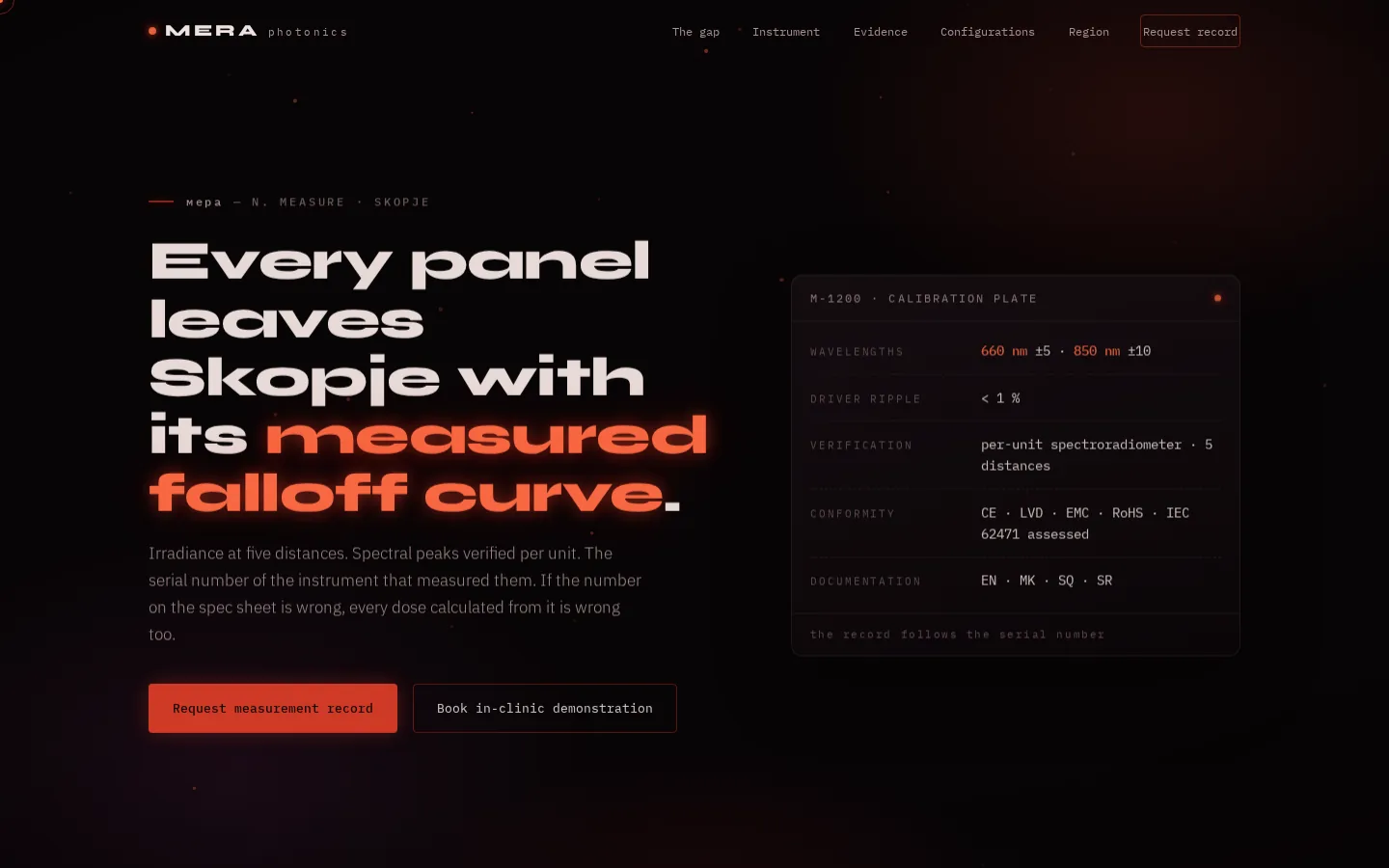
A single-file positioning site for a Skopje red-light panel brand whose entire pitch is that every unit ships with its own measured irradiance falloff curve and the serial number of the instrument that measured it.

  • ProblemPublished red-light panel irradiance figures are systematically higher than what the panel delivers at working distance, so every dose calculated from them is wrong. The positioning is to sell the measurement rather than the claim.
  • BuiltOne 172 KB HTML file with about 13 KB of inline JavaScript and two canvas elements, structured as a full site: sticky navigation (the gap, instrument, evidence, configurations, region, request record), a hero built around a calibration-plate spec block with wavelengths, driver ripple and per-unit verification at five distances, a marquee of conformity claims, multilingual instructions-for-use positioning in four Balkan languages, and request-record and in-clinic-demonstration calls to action.
  • StackHTMLVanilla JavaScriptCSSCanvas
  • Evidence
    • One file dated 6 August 2026 with three external references, all fonts.
    • The irradiance and conformity figures are copy on the page with no measurement data or certificate on disk.
The differentiator is a documentThe falloff curve and the measuring instrument's serial number travel with the unit.
Regulatory framing namedCE, LVD, EMC, RoHS and IEC 62471 are stated, with instructions positioned in four languages.
Everything in one fileFull site structure, animation and canvas work with no build step.

Concept, parked. A positioning page only: the measurement claims are unsupported by any data in the repository, and no product, backend or company exists behind it.

Full case study

The situation

Consumer red-light panels publish irradiance figures that do not hold at working distance.

The constraint

One static file, no backend, no content management.

The system

A single page whose spine is the measurement record: gap, instrument, evidence, configurations, region, request.

My contribution

  • Identified the spec-sheet-versus-room gap as the wedge and built the page around it.
  • Specified the per-unit verification protocol as the product.
  • Framed conformity and multilingual requirements for the Balkan market.

What remains

  • No measurements, no device, no entity; the numbers on the page are claims.

What I learned

In a category full of unfalsifiable claims, the differentiator is volunteering the falsifiable one.

Health, consent and personal systems

Consent-first care apps, clinical career tools and personal systems where privacy is enforced in the data layer.

18Working prototypeHealthcare and clinical prototypes

Kindence consent-first care cues

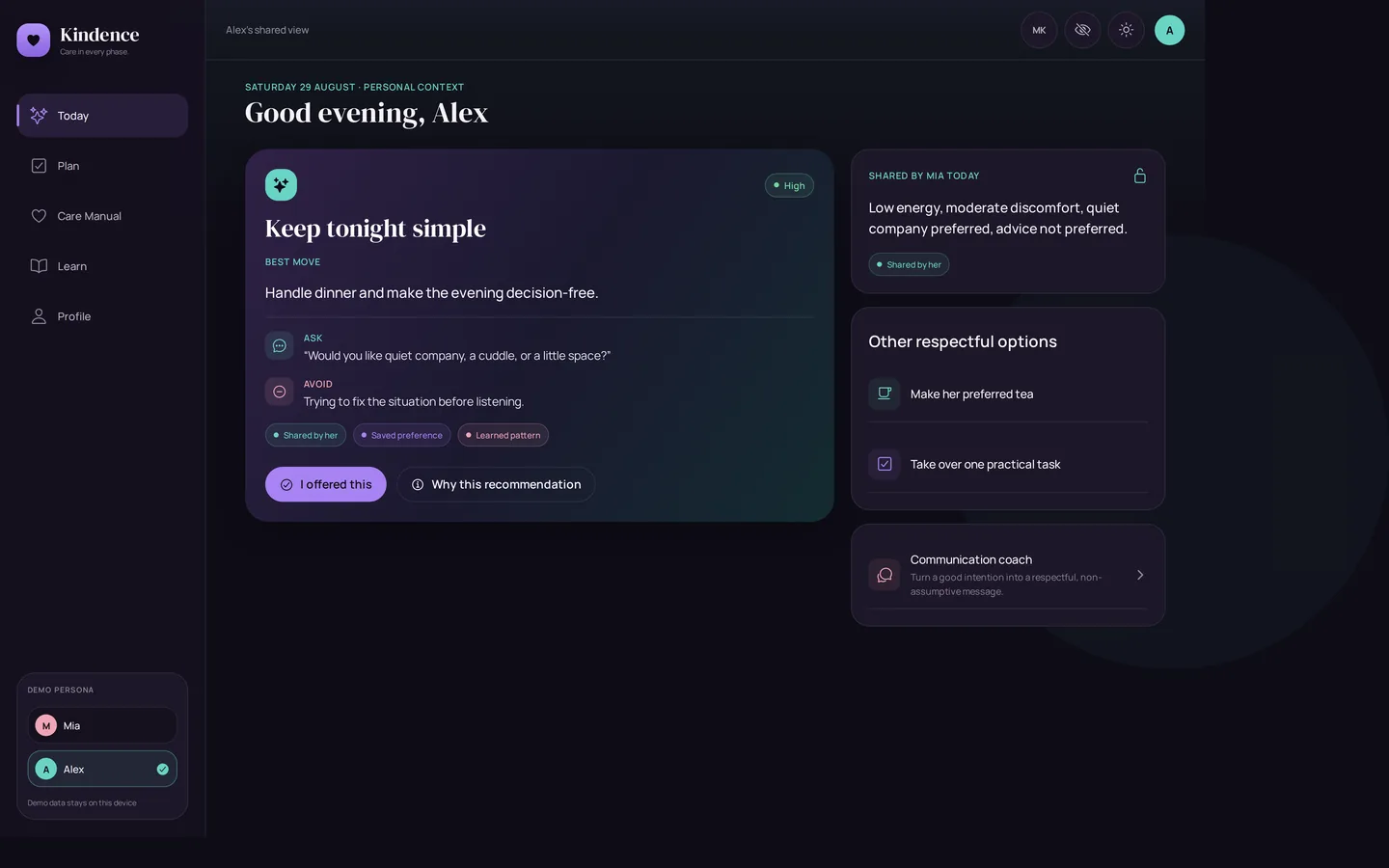
A cycle-aware relationship-support app where the cycle owner decides exactly what a partner may see, and the partner receives one respectful action instead of raw health data.

  • ProblemPartners guess what support to offer and often guess wrong, while cycle apps either leak sensitive health data to a partner or turn a phase into a verdict about a person. The owner needs to share a minimal, revocable slice of context and have the partner get something concrete to do.
  • Built
    • A Turborepo monorepo with an Expo mobile app, a Next.js admin console and nine deterministic domain packages.
    • Partner reads exist only as security-definer RPC projections that re-check auth, pair status and each active consent scope
    • There is deliberately no partner read policy on raw health tables.
    • Revocation closes grants, clears the partner-safe cache, cancels queued notifications and revokes device state in one transaction.
    • Cycle context uses median and MAD over completed intervals with explicit suppression rules, and the recommendation engine ranks the owner's direct statements above everything inferred.
  • StackExpoReact NativeNext.jsTypeScriptSupabase Postgres + RLSZodTurborepoVitestPlaywrightpgTAP
  • Evidence
    • A 2,823-line Postgres migration, a 663-line seed with a demo couple and five staff roles, 20 test files, and a CI workflow with lint, typecheck, tests, build and secret scanning.
    • The repository's own test log lists 62 shared-package tests, 17 admin tests, 11 browser cases and 46 pgTAP authorization and seed assertions.
    • 28 committed screenshots.
Consent in the databasePartner access is a derived projection a partner role cannot bypass, not a settings toggle.
Atomic revocationOne operation closes grants, clears caches, cancels notifications and revokes devices.
AI rewords, never decidesThe deterministic engine picks the cue; the model boundary accepts only approved labels.

Working prototype on local demo repositories. The Supabase schema, row-level security and RPCs are implemented but not yet wired to the mobile and admin screens. No production identity, no live subscriptions, no deployment, and the educational content has not had clinical or legal review.

Full case study

The situation

Cycle-tracking apps either hide everything from a partner or expose raw health data. Either way the partner still does not know what to actually do tonight.

The constraint

The cycle must be context, never a verdict: no fertility prediction, no diagnosis, no inferred consent. Every partner-visible field has to be individually revocable, and the whole product had to be demonstrable with zero credentials.

The system

Deterministic packages compute cycle context and rank care actions. A normalised Postgres schema enforces authorisation through row-level security plus consent-checking RPCs. An optional language model sits strictly downstream of an already-approved result, with a template fallback on every path. Field encryption is server-only AES-256-GCM with record-bound associated data, and invitation tokens are stored only as hashes.

My contribution

  • Designed the consent model so partner data access is a derived RPC projection rather than a row-level grant on health tables.
  • Implemented median and MAD cycle-context maths with explicit suppression rules and a tested no-fertility-prediction invariant.
  • Built the recommendation ranking so direct statements outrank inferred cycle phase, with hard rejection of medical language.
  • Wrote pgTAP suites that impersonate seeded users and separate raw-table denial from derived-RPC access.

What remains

  • Wire the mobile and admin screens to the Supabase adapters while preserving the RPC and RLS boundary.
  • Production identity, live subscription offerings, push credentials and hosted infrastructure.
  • Clinical and legal review of the educational content; the seeded source records are placeholders.

What I learned

Putting consent in the database, as projections a partner role literally cannot bypass, turns a privacy promise into something a test suite can fail on.

19Working prototypeHealthcare and clinical prototypes

Cardiograph career intelligence

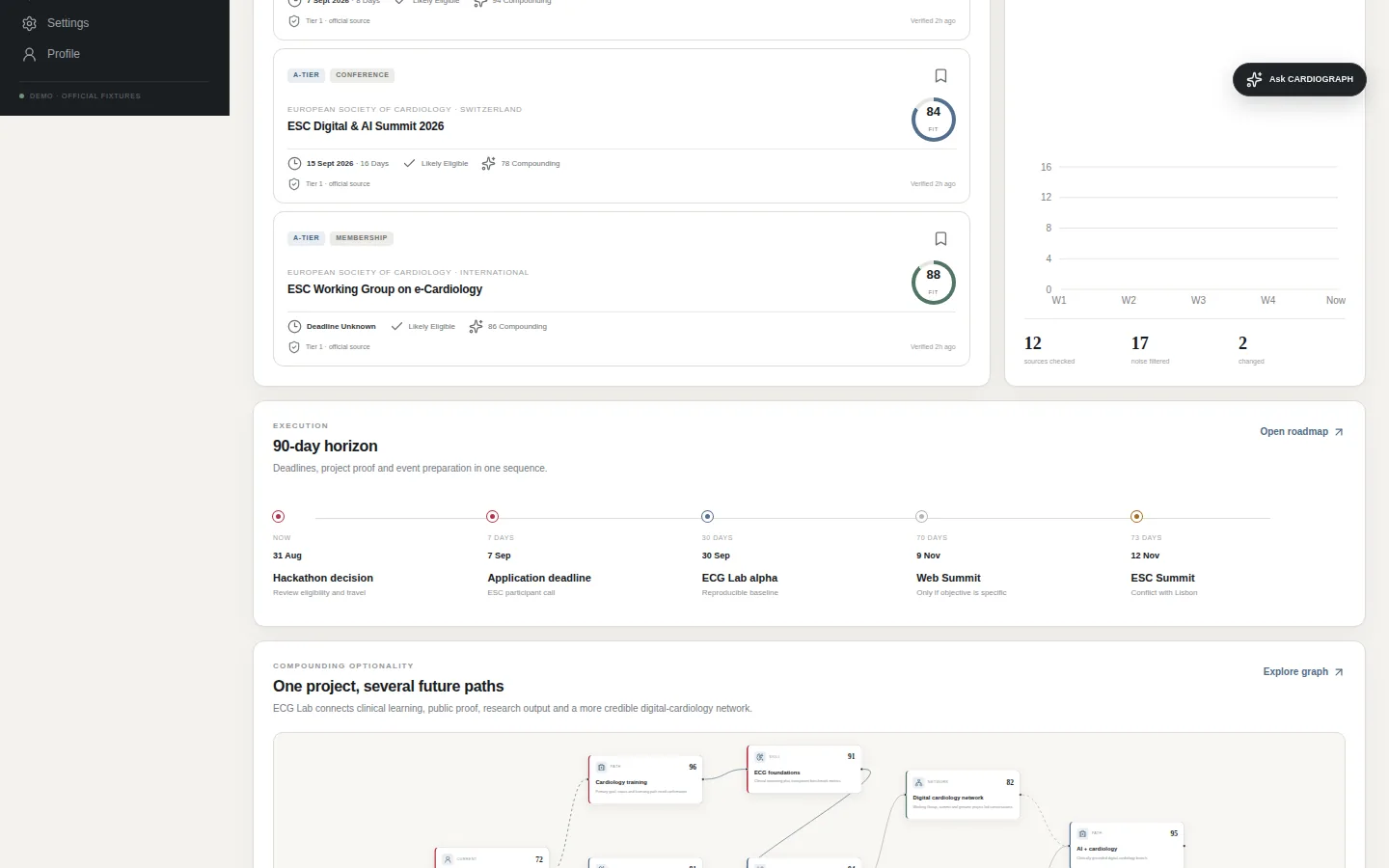
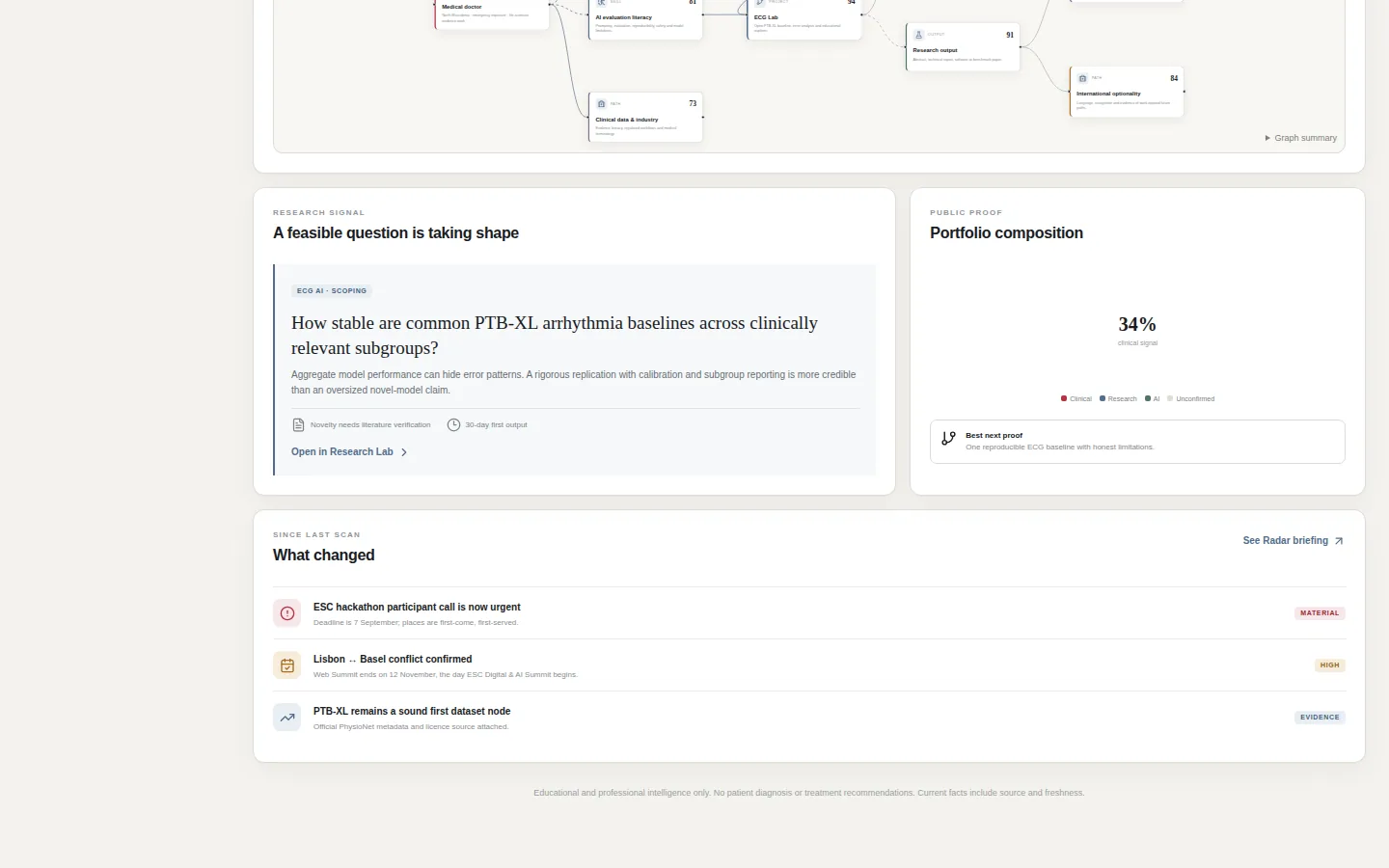
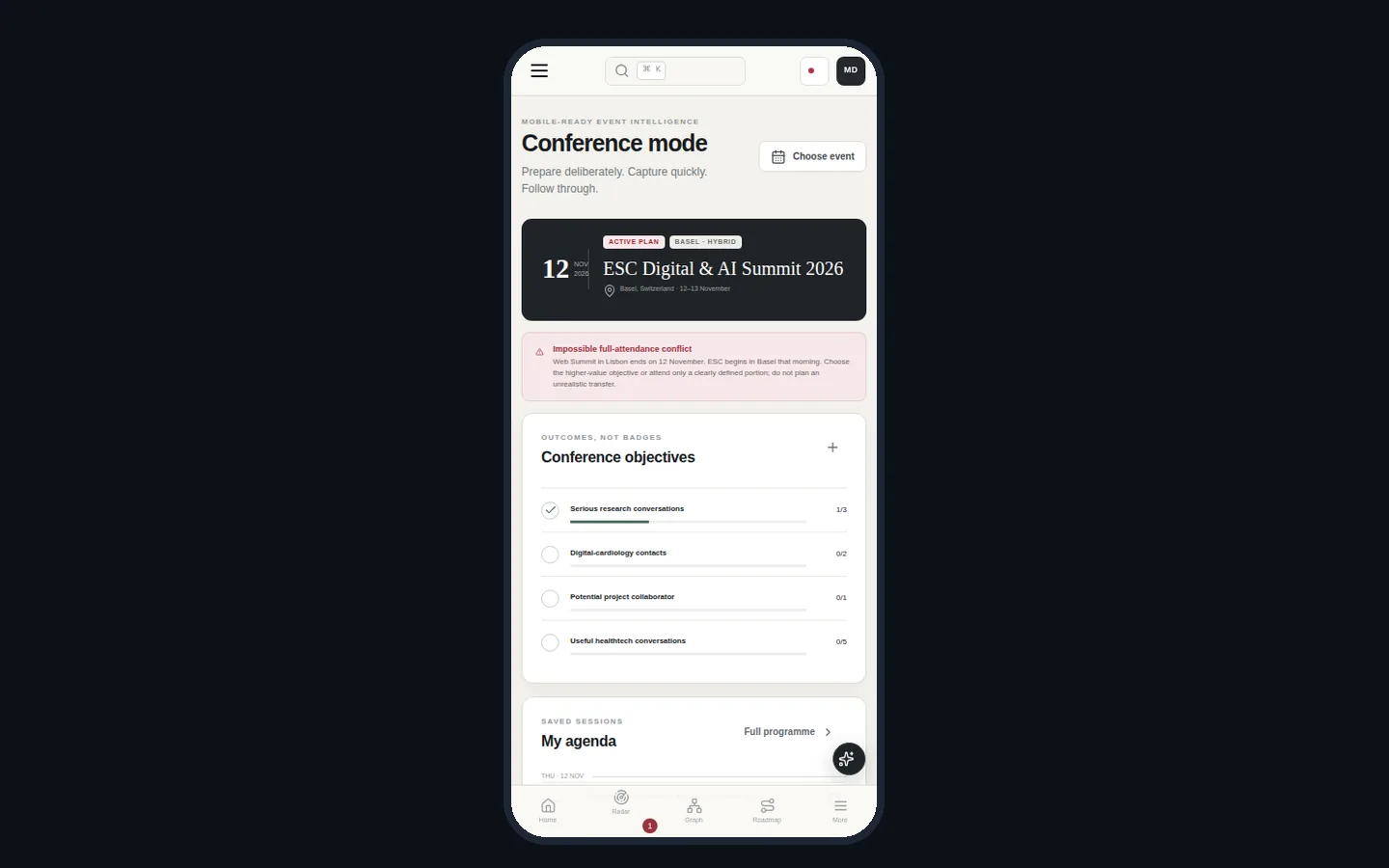
A provenance-aware career and research workspace for a physician pursuing cardiology, ranking conferences, publications, projects and people by how much future optionality each one compounds.

  • ProblemA physician choosing between a hackathon, a summit, a publication path and a project has no way to see which single action makes several later paths easier, and time-sensitive deadlines are scattered across official pages that change without notice.
  • Built
    • A pnpm monorepo: a Next.js app with 22 routes (overview, radar, opportunities, career graph, roadmap, research lab, publications, people, conferences, build lab, portfolio, geography and more) and a BullMQ radar worker.
    • A deterministic scoring package separates benefits from burdens and derives compounding value from reachable graph nodes with edge confidence and a path-length discount.
    • A core package handles deduplication, snapshots, expiry and eligibility with unknowns.
    • Connectors for PubMed and ClinicalTrials.gov carry timeouts, Zod validation and saved parser fixtures.
    • The AI package returns a validated answer with why, source IDs, confidence, unknowns and a verify-before-acting flag, with a deterministic grounded fallback when no key is present, and model output is structurally barred from changing scores.
  • StackNext.js 15.5React 19React FlowRechartsZod 4Postgres + pgvectorRedis + BullMQVitestPlaywright
  • Evidence
    • About 8,580 lines of TypeScript and SQL.
    • Seven test files with roughly 29 cases across scoring, core, connectors, AI and product browser specs.
    • A 975-line seed with 6 opportunities, 10 graph nodes, 3 research questions, 3 projects and 8 profile facts, labelled 'last reviewed 31 August 2026'
    • In the UI.
Compounding as a computed quantityValue is derived from reachable graph nodes with edge confidence and path-length discount, so 'this project unlocks four later paths' has a visible derivation.
An outage is never contentThe ingestion contract preserves the last-known record and is forbidden from producing 'closed', so a failed fetch cannot look like a closed opportunity.
Consent in the schemaProfile facts carry source type, confidence and a user-confirmed flag, so partner-supplied information stays labelled until the physician confirms it.

Working prototype in a no-key demo mode. No CI, no recorded test run, and two declared packages ship empty source directories. No production identity provider, row-level ownership, CSRF protection or deployment, and no licence selected.

Full case study

The situation

A physician's career decisions are made against scattered official sources and conflicting deadlines, with no shared view of which choices reinforce each other.

The constraint

Not a clinical tool: no patient data, no diagnosis, no treatment recommendation. An explicit autonomy boundary separates what she owns, what is shared, what a partner supports and what a partner must never do.

The system

A deterministic scoring package, a core package for dedup, snapshot, expiry and eligibility, validated connectors, a radar worker over Redis, Postgres with pgvector for the graph, and a Next.js shell that runs fully in demo mode.

My contribution

  • Designed the compounding score as a graph traversal with edge confidence and path-length discount, separate from the benefit and burden model.
  • Built the grounded-generation contract with a deterministic fallback that reads verified records only.
  • Implemented the radar pipeline stages from discovery through normalisation, deduplication, verification, eligibility, scoring and change surfacing.
  • Wrote the connector onboarding rule: fixtures for success, pagination, malformed records and outage must pass before a source joins.

What remains

  • Production identity, row-level ownership, CSRF protection and persistent rate limiting.
  • Fill in or remove the empty packages and record a verification run in CI.
  • Exercise live ingestion through the worker rather than saved fixtures.

What I learned

Encoding 'who supplied this fact and has it been confirmed' as columns rather than conventions is what lets a support-partner-built tool stay on the right side of someone else's autonomy.

20Working prototypePersonal and academic

Pathgraph career decision support

A mobile-first decision-support demo that turns a person's capabilities, evidence and constraints into a graph of reachable opportunities, compares differentiated routes, and converts the chosen route into an inspectable twelve-week plan.

  • ProblemSomeone deciding between career routes gets ranked listings and generic advice with no visibility into why a route ranks where it does or which evidence gap is blocking it. The scoring inputs, the eligibility unknowns and the freshness of each record should be inspectable.
  • Built
    • A Next.js app with nine feature modules (onboarding, profile, graph, today, routes, opportunities, applications, check-in, shell) and about twenty API route directories.
    • All domain calculation is pure TypeScript with no model dependency: readiness, eligibility with explicit unknowns, freshness, route scoring, Pareto filtering, diversification and priority-driven reweighting.
    • Drizzle over Postgres with pgvector defines fourteen tables, while the shipped demo reads the same typed records through a fixture repository with eight opportunities, four routes and a twenty-step roadmap.
    • Cytoscape renders the product graph.
    • The model provider sits behind a kill switch that defaults to off, and the résumé parser validates an upload and returns fixture claims without persisting bytes.
  • StackNext.js 16React 19Drizzle ORMpostgres.jsCytoscapeZod 4Tailwind 4Vitest + fast-checkPlaywright + axe
  • Evidence
    • Six test files across unit, component, integration and end-to-end tiers with about 22 cases, including property tests.
    • CI runs lint, typecheck, tests and build with a separate browser job.
    • Eleven docs including an OpenAPI spec, a scoring note, a privacy and fairness note and a candid known-limitations file.
    • Five committed screenshots.
Deterministic by constructionReadiness, eligibility, Pareto filtering and reweighting are pure TypeScript with the model isolated and off by default.
Location constrains reach, never capabilityThe map view states that location affects access and logistics only and never reduces readiness.
Uncertainty rendered, not hiddenCards carry eligible, likely eligible, missing data or uncertain, plus a confidence band and a freshness badge.

Working prototype. No auth, no account-backed repositories (demo mutations are browser-local), no live job, course or immigration connector, and the checked-in migration is narrower than the typed schema. The README warns against uploading real résumés to any internet deployment.

Full case study

The situation

Career tooling either ranks listings without explaining itself or gives advice with no traceable inputs. The brief was a decision-support MVP for one fictional profile, a UX designer in Accra.

The constraint

No paid key, no database and no login may be required to see the full journey, and nothing shown may read as real salary guidance, a real listing or immigration advice.

The system

Pure-TypeScript scoring, a Drizzle and pgvector production schema, a fixture repository importing the same typed records for the demo, Cytoscape for the graph, and a source-connector seam with freshness rules but no adapter enabled.

My contribution

  • Built the matching engine: readiness, eligibility with explicit unknowns, freshness, route scoring, Pareto frontier and reweighting.
  • Made route comparison auditable with a 'why this score' breakdown and a normalised side-by-side frontier table.
  • Kept one typed record shape shared by the Postgres schema and the fixture repository.
  • Wired four test tiers plus accessibility checks into CI.

What remains

  • Replace browser-local demo mutations with transactional repositories behind real auth.
  • Complete the migration for every typed table and add private object storage with retention jobs.
  • Enable a first live opportunity connector after terms review.

What I learned

Separating 'what the profile can do' from 'where the profile can go' is the difference between a career tool and a filter that quietly penalises geography.

21Working prototypePersonal and academic

POIESIS the poet's atlas

A browser-only, no-account poetry study app that pairs source-cited historical records with a private writing desk, and never generates a line of verse.

  • ProblemA learner reading historical poetry cannot easily tell a documented claim from an editorial interpretation, and general AI writing tools blur the line further by writing on the learner's behalf. Studying craft needs a source-bearing reference layer and a private place for one's own observations.
  • Built
    • A React and Vite single-page app with three surfaces: Study, a five-step activity flow that links out to external readings instead of bundling poem text
    • Atlas, search, chronology and a bounded connection neighbourhood where every edge carries an attesting source and teaching comparisons are labelled as not claiming influence
    • And Desk, source notebooks, historical dossiers and a writing desk.
    • The reference model distinguishes agents, works, text versions, passages, concepts, events and places with typed assertions carrying certainty and editorial status.
    • Manuscript strings are never trimmed or normalised, annotation spans are grapheme-exact, and automatic scansion abstains in every language.
  • StackReact 19ViteTypeScriptIntl.SegmenterNode test runnerPlaywright
  • Evidence
    • Zero runtime dependencies beyond React.
    • Four test files with 32 cases.
    • A dated verification log from 8 September 2026 records a passing production build, 57 validated records with 48 assertions and 23 sources, 22 core and privacy tests passing, 10 browser tests passing, zero known vulnerabilities, and measured contrast ratios above 6:1 in both themes.
    • Five committed screenshots.
No network, by contractThe content security policy allows no connections at all; there is no fetch, beacon or telemetry code in the app.
Grapheme-exact textAnnotations store half-open grapheme spans plus the exact selected string, and line endings survive editing and re-import byte for byte.
Abstention over false precisionScansion refuses to run automatically, and teaching comparisons are visually distinct from documented relationships.

Working prototype, not deployed. Browser storage on one origin is the only persistence. The content pack is small (6 poets, 8 works, 24 concepts) and has had no named literary, historical or native-language review; verification was Chromium-only.

Full case study

The situation

Teaching close reading requires showing where a claim comes from, but poetry tooling either bundles text it has no right to or has a model write the poem for the learner.

The constraint

Ship no poems, translations, recordings or third-party images. Make no network requests at all. Never let the application produce a line the author did not write.

The system

A dependency-light React app over a versioned in-repo catalogue of assertion-based records, with a local-only Desk whose storage layer treats the user's exact bytes and their recoverability as the primary invariant. A content validator fails the build on missing locators, bad predicate ranges or unauthorised inline text.

My contribution

  • Modelled references as typed assertions with predicate domains and ranges, certainty and editorial status, so a teaching comparison can never render as a documented influence.
  • Implemented grapheme-accurate annotation spans and a textarea display-projection mapping so authored line endings and combining marks survive editing and export.
  • Built the storage layer's failure behaviour first: recovery copy before migration, corrupt data left intact, intervening-tab detection, export still available after a failed save.
  • Wrote the content validator and the dated verification protocol.

What remains

  • Human literary and historical review of the pack, and native-language review for Macedonian prosody.
  • Cross-browser and real assistive-technology testing.
  • Any deployment, then pilot participants and an educational-outcome measurement.

What I learned

Choosing to link out to external readings instead of bundling poem text forced the whole product to be honest about provenance, and the assertion model turned out to be more useful for teaching than an inline reader.

22Working prototypePersonal and academic

Elder Map

A fantasy-cartography learning dashboard that renders computer science topics as connected map realms with gated lessons, quizzes, streaks and progress persisted in the browser.

  • ProblemSelf-directed computer science study gives no sense of where you are or what unlocks next. Making prerequisites visible is most of the motivation design.
  • Built
    • Two Next.js routes (dashboard and lesson) and ten components: an animated map with treasure-map routes, dependency locks, a compass rose and zoom
    • A category-grouped tree view
    • A topic drawer
    • A lesson runner implementing premise, teaching, worked example, a three-question quiz and scored completion
    • A right rail with the current quest, radial progress, weekly streak and calendar
  • StackNext.js 15React 19TypeScriptTailwind 3localStoragenext/font
  • Evidence
    • About 2,930 lines across 21 source files, eight topics and sixteen lessons.
    • A production build exists.
    • Screen captured from the running app on 15 September 2026.
Dependency-gated mapRealms lock until prerequisites are complete, so the curriculum's structure is the navigation.
Self-contained lesson runnerTeaching, worked example and a scored quiz in one route, writing back to progress, streak and quest state.
Built-in KPI panelEvery interaction is logged locally and surfaced in a debug panel, so use can be measured without a vendor.

Working prototype with no version control and no tests. Content stops at sixteen hand-written lessons, and nothing persists across devices.

Full case study

The situation

Computer science self-study with no sense of position or of what unlocks next.

The constraint

Front-end only, no auth, no backend, no environment variables.

The system

A typed content seed feeding map and tree views, a lesson runner, and localStorage progress plus local analytics.

My contribution

  • Modelled topics, lessons, quizzes, resources and quest in one typed seed.
  • Built the gated map view and the lesson-to-progress write path.
  • Added the in-app analytics panel to validate whether the thing gets used.

What remains

  • Version control and more content.
  • Cross-device persistence.

What I learned

Making prerequisites visible is most of the motivation design.

23Working prototypePersonal and academic

Omnimaxx

A mobile-first, local-first personal-growth dashboard that scores five life vectors into one daily score which penalises imbalance rather than rewarding a spike in one area.

  • ProblemHabit trackers reward streaks in one dimension and ignore imbalance. A single score should dock you for your weakest vector and your spread, so it cannot be gamed with one strong area.
  • Built
    • A Next.js single-shell app with four tab screens (Today, Growth, Journal, Profile) over a glass bottom navigation.
    • State lives in a React context persisted to localStorage and seeded with demo data.
    • The scoring module is pure: the daily score is the clamped vector average minus a balance penalty derived from the weakest vector and the standard deviation.
    • The visual layer is all CSS and SVG: pointer-driven tilt and specular glare through CSS variables, a layered SVG score ring, mountain parallax and film grain, every animation gated behind reduced-motion.
    • A local analytics log and JSON state export and import are included.
  • StackNext.js 15React 19TypeScriptTailwind 3VitestlocalStorage
  • Evidence
    • About 3,420 lines across thirty source files.
    • One test file with 24 cases covering the scoring engine.
    • A production build exists.
    • The git repository has zero commits and there is no CI.
    • Screen captured from the running app on 15 September 2026.
Balance-penalised scoringA pure, tested function that docks the weakest vector and the spread.
Zero-dependency visualsTilt, parallax, an extruded score ring and film grain in CSS and SVG, with no chart or 3D library.
Fully localState, analytics and export all live on the device.

Working prototype with zero commits. Only the scoring module is tested; the UI and persistence layers are not.

Full case study

The situation

Habit trackers reward streaks in one dimension and ignore imbalance.

The constraint

No backend, no auth, no network; phone-sized viewport first.

The system

React context plus localStorage, a pure scoring module, four tab screens and local analytics.

My contribution

  • Specified and unit-tested the balance-penalty score as a pure function.
  • Built the depth and tilt visual system with CSS variables and no 3D dependency.
  • Gated every animation behind reduced-motion.

What remains

  • Commit it.
  • Test the persistence and UI layers.

What I learned

Putting the one piece of real logic behind a pure function makes the rest of an app safe to keep visual.

Games and creative

A studio hub, five playable prototypes in two engines, and two interactive geometry codices.

24Working prototypeGames and creative

GameForge Hub

A local-first dashboard and job runner that inventories a solo developer's game projects, engines and tools, then queues bounded verification jobs whose results become immutable, queryable evidence.

  • ProblemA solo studio accumulates game folders, half-finished engines and stale 'it worked last week' claims with no single place that says what is actually playable and what proved it.
  • Built
    • A FastAPI service of 22 modules and about 5,370 lines with 49 routes, a SQLite schema of 42 tables from four migrations, and a 937-line worker implementing claim, heartbeat and lease, exclusive run claiming, process-group kill by process identity and start time, step gates, timeouts, cancellation that stops descendants, and crash recovery that never resolves an unknown outcome as success.
    • Records are projected into an RDF graph with PROV provenance and validated against an inline SHACL shapes graph, exposing search, neighbourhood, change-impact preview and saved questions while refusing arbitrary queries.
    • Engine adapters for Web, Unreal, Godot, Unity and a fixture can raise 'blocked'
    • Rather than fake a capability, and discovery classifies projects by reading descriptor files only.
    • A thirteen-tool MCP server routes through the same HTTP API.
  • StackPython 3.12FastAPIPydantic v2rdflibpySHACLMCP (stdio)SQLiteReact 19VitePlaywright
  • Evidence
    • A JUnit report dated 8 September 2026 records 53 backend tests with zero errors and zero failures, matched by the text log
    • Four browser tests in the front end with recorded results
    • Fifteen validation and benchmark scripts including MCP and provider validation
    • Nineteen machine-generated evidence files and eight screenshots.
Evidence is a graph, not a logRun records become RDF with provenance and are validated by SHACL, so 'what depends on this' and 'what proved this' are queries.
Adapters allowed to say noTests assert that a registered Unity editor path does not prove a licence and that Godot cannot package for a platform it lacks.
Worker identity by pid and start timeProcess ownership is verified before killing a group, and recovery of an unknown outcome is tested to never produce success.

Working prototype. Godot, Unity and Blender were absent from the machine so their capabilities are recorded as unverified, a full Unreal editor boot is recorded as a failed timeout, and no native package or GPU-rendered gameplay was ever certified. Store, publishing and billing connectors are unconnected.

Full case study

The situation

A single developer with several game folders on one Linux workstation, no shared CI, and no reliable answer to 'which of these is actually playable right now'.

The constraint

Everything runs locally, offline by default, with no credentials for core browsing. The hub must never edit or execute the projects it inspects, and must not overstate a tool it has only seen installed.

The system

FastAPI service, SQLite, a background worker, RDF and SHACL knowledge projection and an MCP server, fronted by a React dashboard and launched by one shell script that reserves ports and archives prior test state.

My contribution

  • Designed the evidence model so acceptance is gated on a parsed report: a zero-test report fails, a stale artifact blocks, and reported failure counts cannot be overridden.
  • Built the run lifecycle: idempotent queueing, exclusive claim, resource leases, cancellation that reaches descendants, and freeze-on-queue of config and revision.
  • Projected heterogeneous records into RDF with provenance and enforced structure with SHACL, exposing only bounded saved questions.
  • Exposed the same API through a thirteen-tool MCP server so an agent and the UI share one authorisation path.

What remains

  • Real engine coverage for Godot, Unity and Blender, and a certified Unreal editor boot.
  • Store, publishing and billing connectors.
  • Packaged distribution and a standalone acceptance check for imported web projects.

What I learned

Making 'blocked' a first-class adapter outcome is what keeps an evidence system honest, because tests can then assert the absence of a capability as firmly as its presence.

25Working prototypeGames and creative

WILDVEIL

A browser 3D action role-playing slice in Babylon.js with five playable classes, a two-phase boss, a buildable persistent haven and three post-boss frontier regions, running from a static folder.

  • ProblemBuild a complete role-playing loop, combat, progression, crafting, base-building and an endgame, that runs entirely from static files with no backend, account or CDN. The intent was a compact complete loop, not a finished production game.
  • Built
    • Twenty-three TypeScript modules over Babylon.js with a 60 Hz fixed simulation step, swept projectile tests and bounded movement substeps.
    • Five class kits with distinct resources, six enemy roles plus elites, a two-phase boss with telegraphed patterns, a 55-node skill tree with saved skillsets that preserve per-ability cooldowns, five companions, three factions and element synergies.
    • Persistence is a versioned localStorage schema at version two with migration through validation, split into permanent legacy progression and a single adventure checkpoint.
    • An 8 by 8 construction grid with six upgradeable facilities, stacking blocks with support rules and half-refund dismantling.
    • Combat effects pool three transient lights and ten particle systems with capped geometry.
  • StackBabylon.js 9.25TypeScript 5.9Vite 8PlaywrightWeb Audio API
  • Evidence
    • Twenty-four pure-logic tests across combat, rules and progression, matching the verification document.
    • Five browser harnesses recorded as 151 checks
    • A verification artifact lists seventeen named checks all passing, and a production smoke artifact records no console errors and no external requests.
    • A playtest artifact records all five classes reaching victory in simulated runs.
    • Forty-five rendered captures and a production build.
A pilot that must obey the rulesThe bot drives real movement, aim, abilities and dodges and is barred from granting health, currency, items or quest flags.
Fixed budgets for presentationThree transient lights and ten particle systems are pooled and capped, and ground warnings stay visible while the simulation is paused.
Two-tier persistencePermanent legacy progression is kept separate from the single adventure checkpoint, so a new calling resets the run without destroying the base.

Working prototype. Models are composed geometry with procedural poses, there is no physics engine, spatial audio or controller support, and the main bundle is about 1.5 MB gzipped. All checks ran in Chromium under software rendering; human playtesting for pacing and difficulty has not happened.

Full case study

The situation

A brief for a 15 to 25 minute 3D fantasy role-playing slice, built from nothing and delivered as a static browser build.

The constraint

No backend, accounts, paid services or runtime CDN. Fonts, geometry, materials, UI and audio all local, and captures must be genuine rendered frames.

The system

A Babylon.js scene, a 60 Hz fixed-step simulation, pure rule modules and localStorage checkpointing, verified by pure-logic tests, four targeted browser harnesses and a rules-obeying pilot.

My contribution

  • Separated pure rules from the simulation so stats, mitigation, stacking caps and save validation are testable without a scene.
  • Built a bounded effects layer with pooled lights and particles and explicit disposal, with tests for expiry and low-quality degradation.
  • Implemented the two-tier save with a version-two schema, migration through validation and safe fallback for damaged saves.
  • Wrote the automated pilot and the frontier and haven check suites, including a reload-then-continue assertion over six built facilities.

What remains

  • Human playtesting for combat feel and the crafting economy; the pacing target is unvalidated.
  • Authored character rigs to replace procedural poses.
  • Modular engine imports to cut the bundle, plus wider browser coverage.

What I learned

Writing the verification harness as a player that can only press keys the game exposes turns 'it works' into a reproducible claim, and it exposed rules that only held because a test had been cheating.

26Working prototypeGames and creative

Valdria campaign and battle

A Godot 4 campaign-and-formation-battle prototype where you manage an estate and household between days, then command four companies in a real-time tactical battle whose casualties persist back into the campaign.

  • ProblemProve that a campaign layer and a tactical battle layer can share one authoritative data contract, so that fit, wounded, dead, captured and deserted flow back into recruitment, provisions, reputation and captain memory without either layer silently rewriting the other.
  • Built
    • About 3,560 lines of GDScript across eight packages.
    • The battle simulation owns all mutable battle state on a fixed 0.05-second step driven by a tick clock that retains backlog, so pause and speed changes cannot alter outcomes, and a battle contract owns the setup and result schema so the UI is architecturally forbidden from resolving damage.
    • Combat rules cover line, column and loose formations, frontage and depth bounds, spear bracing that requires stationary cohesion, cavalry charges gated on approach and stamina, firing arcs with obstruction, volley ammunition, morale hysteresis and bounded commander shock.
    • The campaign runs an estate economy of workers, fields, timber-to-arms conversion, provisions and wages, a household of named captains, and autosave that retains a validated previous generation and journals battle results before applying consequences exactly once.
    • Content is data-driven from JSON with definitions copied out of the catalogue.
  • StackGodot 4.7GDScriptJSON contentGL Compatibility rendererBash and PowerShell tooling
  • Evidence
    • A test log records 19 tests with 163 checks and zero failures
    • A metrics file records 21 suites all passing and a simulation step p95 of 2.5 ms over 5,626 samples.
    • The runner is itself tested: an empty suite and an injected error both exit non-zero.
    • A seeded four-versus-four assault resolves after 6,022 ticks with all casualty partitions validating.
    • Thirty-two authentic screenshots as 1280 by 720 and 1920 by 1080 pairs, and generated third-party notices.
Simulation fidelity firstA fixed step with backlog retention makes speed and pause scheduling changes only, asserted by a command-log replay that reproduces positions, strengths, morale and ammunition exactly.
The verifier can fail itselfAn empty suite or any logged script error exits non-zero, so a suite that silently stops collecting tests cannot pass.
Journal, then applyBattle results are journaled before their consequences are applied once, and a damaged save falls back to a validated previous generation with a visible warning.

Working prototype with no standalone export. Diplomacy, succession, convoys and the full scenario set are unimplemented, the maximum-scale run is a stationary fixture with no performance claim, and human onboarding, clarity and AI doctrines are unverified.

Full case study

The situation

A Godot campaign-battle prototype starting from an empty workspace, with no legacy implementation to migrate and no git repository.

The constraint

Standard GDScript only, the compatibility renderer, no runtime Python, network, model, server or per-soldier agents. The UI must never resolve damage, and cosmetic changes must not be able to alter combat outcomes.

The system

Tick clock to battle simulation to battle contract to campaign world state, with a data catalogue as the single source of truth and a headless test runner that also drives rendered smoke sessions.

My contribution

  • Enforced one authority boundary: the simulation owns mutable state, the contract owns the schema, and definitions are copied so no two regiments share a mutable strength.
  • Built the casualty partition so fit, wounded, dead, captured and deserted are non-overlapping and reconcile, applied exactly once via a journaled transaction.
  • Wrote rendered smoke tests that exercise real mouse and key input: selection, orders, facing during pause, control groups and menus.
  • Diagnosed a frame-count timing assumption with a VSync-disabled diagnostic, then corrected the test to elapsed time and capped rendering without touching simulation fidelity.

What remains

  • A real standalone export and Windows validation.
  • Diplomacy, succession, convoys and the full scenario set.
  • Human playtesting and a moving-battle performance matrix.

What I learned

Putting the tick clock rather than the frame at the centre is what makes speed controls, pause and deterministic replay fall out for free, and why a cosmetic change provably cannot alter who wins.

27Working prototypeGames and creative

Postcard Acres

A browser farming game with a real multi-account backend: Postgres-backed accounts, server-owned elapsed-time crops, asynchronous neighbours, gifts and a cooperative group project.

  • ProblemA social farming game where the server, not the client, owns time and rewards, so a changed browser clock, an offline action or a frozen page cannot invent earnings, and where two genuinely separate accounts can befriend, visit, help, gift and co-build without faked online indicators.
  • Built
    • About 7,610 lines of TypeScript across a React and Phaser client, an Express server and a shared rules layer.
    • Every mutation is a transactional, actor-scoped, idempotent command validated by Zod, with authentication over Postgres and two versioned migrations.
    • The pure rules module holds twelve crops across four stages, twenty levels, fifteen quests, mastery tiers, orchards, animals, buildings, decorations and a land expansion.
    • Social systems cover friend codes, friends-only visibility with blocks, per-neighbour and total daily help quotas with UTC reset, a gift inbox with one-time claims, and a fairground project where only crops planted after joining count.
    • Guest-to-account upgrade transfers the same farm.
  • StackPhaser 4React 19TypeScriptVite 8Express 5PostgreSQL 18Better AuthZod 4VitestPlaywright
  • Evidence
    • Quality logs from 8 and 9 September 2026 record 31 focused tests and 16 browser journeys passing plus a production-container smoke test, with a browser report on disk.
    • A backup and restore drill matched 47 farm documents and all row counts.
    • A real 24 by 24 farm with 230 crop beds and 61 objects measured 54 to 60 frames per second on desktop
    • The README states the 60 target is not consistently met.
    • Twenty-two screenshots and a production build.
Time belongs to the serverA browser journey changes the client clock, attempts an offline action and freezes the page, then asserts no invented earnings.
Test databases that refuse to be productionThe harness rejects remote hosts and any database not named as a test database, and clock commands exist only with an explicit non-production flag.
Three real accounts, not mocksSocial journeys run separate browser contexts with distinct accounts and verify that a third account is denied another farm's object, help, visit and gift claim.

Bounded local alpha. An alpha-wide database command lock caps write throughput, productive objects cannot be stored, and multi-account abuse review, live email, real hosting, non-Chromium browsers and sustained load are all unverified.

Full case study

The situation

A browser farming game that had to support genuinely separate player accounts on one developer machine, with no hosted infrastructure.

The constraint

No external credentials or email service for local play, no fake online indicators, and non-player farms must be visibly labelled as game characters.

The system

Phaser scene and React shell to an Express command API to Postgres, with a shared pure-rules module used by both client and server and a Compose database that persists across restarts.

My contribution

  • Made every mutation a transactional, actor-scoped, idempotent command with duplicate payload rejection, so retries cannot double-harvest.
  • Put crop growth and reward calculation behind the API's clock and wrote the browser journey that proves a tampered client clock earns nothing.
  • Built the social layer with quotas, blocks, gift limits and one-time project claims, tested against a real database.
  • Hardened the release path: pinned non-root container, trusted-origin checks, database-backed rate limits and security headers.

What remains

  • Real hosting with HTTPS, live email and an independent disaster-recovery drill.
  • Multi-account abuse review and sustained load testing.
  • Lifting the alpha-wide command lock.

What I learned

Once the server owns elapsed time, most cheating surface area disappears by construction; the remaining work is proving it, which is why the clock-tampering journey is the most valuable test in the suite.

28Working prototypeGames and creative

Kinwild creature sanctuary

A browser creature-sanctuary and tactical role-playing game in Babylon.js where 25 founder species breed persistent offspring with inherited genes and signature skills, then fight action-point grid battles across a connected eight-route region.

  • ProblemMake inheritance the actual mechanic rather than cosmetic flavour: paired shape genes, coat contributions, a parent's signature skill and a family notebook that can trace a hidden ancestor trait reappearing generations later.
  • Built
    • Fifty-six TypeScript modules and about 20,570 lines split across game logic, UI and rendering.
    • Genetics and phenotype resolve and persist appearance at egg creation from six paired shape genes and blended coats, with older saves given stable genes and restored shapes labelled rather than back-filled.
    • Combat is action-point grid tactics with numbered reachable tiles, traced routes, shields, statuses, exact action previews and flanking, with a bounded presentation layer that caps cues and disposes scene objects.
    • The region is a graph of eight routes, four towns and five biomes with crest gates, fast travel, carried health between battles and once-only quest, recruit and reward transactions with rollback.
    • Fifteen party-wide resonances derive from affinities, body families and class groups.
  • StackBabylon.js 9.25TypeScript 7Vite 8Vitest 5PlaywrightWeb Audio API
  • Evidence
    • A verification artifact for version 0.6.0 records 135 unit tests passing across nine files.
    • The verification document records fifteen browser scenarios passing and states plainly that the full run passed 14 of 15 before one mobile scroll failure was fixed and re-verified.
    • A statistical check observes 6,000 visitor seats per camp level against displayed odds within 2.5 points, and a geometry sweep constructs 625 founder pairings.
    • About 118 screenshots and a production build.
Genes resolved once, at egg creationAll appearance data is computed and saved when the egg is made, so siblings differ deterministically and a reload cannot re-roll a creature.
A test that admits the design is weakThe combat suite records that, under assist in a fixed encounter, the four-support composition loses, and each plan ships with its stated weakness.
Assist drives the real systemsThe browser test completes turns through the in-game assist button, invoking ordinary pathfinding, costs, AI, triggers and save transactions.

Working prototype. The camp is bounded at twelve once-only missions, remaining story arcs and later skill tiers are unimplemented, all performance figures come from a software renderer, and recruitment pricing needs sustained playtesting.

Full case study

The situation

A creature-collection game where breeding had to produce individuals a player would recognise and remember across many saved generations.

The constraint

Everything local and offline after install, with no account, key, backend or CDN, and every existing save had to keep working through five feature releases.

The system

A pure genetics and phenotype layer feeding a Babylon renderer, an action-point grid combat resolver, a region graph with crest gates, and a save module with per-version migration and failed-write rollback.

My contribution

  • Designed inheritance as six paired shape genes plus two coat contributions plus one parent's signature skill, resolved and persisted at egg creation.
  • Built the resonance system so fifteen bonuses derive from affinities, body families and class groups with explicit thresholds and caps that never rewrite genes.
  • Made every progression transaction once-only with rollback and migrated old saves forward without inventing parentage.
  • Bounded the renderer with shared materials, merged pickable ground, capped particles and explicit mesh disposal.

What remains

  • Native-GPU and real-device performance measurement.
  • The remaining regional story arcs and later skill-tree tiers.
  • Sustained playtesting of the collection economy.

What I learned

Resolving a creature's full phenotype at creation rather than at render time is what makes a breeding game feel like it remembers you, and what makes the genetics testable in isolation from the scene.

29Working prototypeGames and creative

The Thirteenth Bell

A browser 3D medieval action role-playing game in Babylon.js where a single hero travels a forty-settlement overland map across four kingdoms, trades commodities, takes tavern contracts, resolves local chronicles and fights real-time encounters.

  • ProblemBuild a travelling-hero campaign where the world is a connected economic and political system rather than a quest list: commodity prices, merchant stock, rival tariffs, guild reputation, rotating events and kingdom relations all move together and feed back into what a contract is worth.
  • Built
    • Forty-nine TypeScript modules.
    • Four kingdoms with rulers, heraldry, regional exports and bilateral relations, and sixteen starting settlements expandable to forty through survey charts.
    • The economy models twelve commodities with cargo weight, finite merchant stock and funds, daily replenishment, local exports and demand, reputation discounts and rival-kingdom tariffs.
    • Walkable settlements with six interior building types, per-settlement palettes, craft landmarks and sixteen industries with daily commissions and patronage tiers.
    • Three-chapter local chronicles for all sixteen starting towns plus a rotating pool of happenings.
  • StackBabylon.js 8TypeScript 5.9Vite 7PlaywrightWeb Audio API
  • Evidence
    • A rules artifact records 175 tests passing with zero failures
    • The verification document claims 233 for a later run that is not artifacted.
    • A browser artifact records a zero-error campaign playthrough with sixteen captured screens covering origin selection, a legal story encounter, camp rest, save and load, the full repair route and three alternative endings, with separate result files for the chronicle, realm, roads, loot, missions and visual suites.
    • About 110 screenshots and a recorded production build with a 1.4 MB gzipped main chunk.
Conservation as a test propertyThe trade suite asserts conservation of goods and crowns across transactions and rejects invalid, stale, overweight and unaffordable offers.
Reachability proved, not assumedTests verify that all forty settlement centres, gates and event locations are reachable and that navigation recovers from wall-edge positions.
A bot that clears every contract legallyA player bot completes each of the forty contracts at its recommended level with real abilities and dodge windows, and does the same for all sixteen origin classes.

Working prototype. The 6.4 MB uncompressed bundle has no code splitting, town scenes are separate from the overland map, settlements share six building types, and there is no recorded dialogue, multiplayer or controller support. Human playtime and physical-GPU performance are unmeasured.

Full case study

The situation

A solo medieval role-playing game that needed a world large enough to travel through, running entirely in a browser tab with no backend.

The constraint

No account, backend, key or network service; saves live in the browser with JSON import and export; and every claim in the verification document had to be backed by a retained artifact.

The system

A Babylon overland map and separate settlement scenes over a shared data layer for kingdoms, settlements, commodities, contracts, chronicles and happenings, with a fixed 60 Hz combat simulation and browser harnesses that each drive a different slice.

My contribution

  • Built the regional economy as a closed system and tested conservation of goods and crowns rather than only happy-path pricing.
  • Made combat frame-rate independent with a fixed step, bounded catch-up, shared strike recovery and substep dodges.
  • Wrote the contract-completion bot and per-origin encounter tests so all forty contracts and sixteen classes are demonstrated legally playable.
  • Layered settlement identity: palette, craft landmark, keeper, dossier and an original theme per town.

What remains

  • Code splitting for the bundle and physical-GPU measurement.
  • Seamless streaming between town scenes and the overland map.
  • Human playtesting for pacing and economy balance.

What I learned

Treating the browser suite as several small, separately resumable playthroughs rather than one long run is what made a world this size verifiable at all.

30Working prototypeGames and creative

Archē fold and spectrum codices

Self-contained HTML codices that teach geometry interactively: an origami fold atlas with scrubbable crease sequences, and a polyhedra atlas pairing a rotatable 3D body with its Schlegel diagram, its net, its symmetry group and its graph spectrum.

  • ProblemThe small alphabet of geometric forms underlying matter is almost never taught. These codices present canonical forms and the rules that generate them as things you can manipulate.
  • Built
    • The fold atlas is a 67 KB file with 43 KB of hand-written JavaScript and eleven inline SVG roots: six origami specimens shown as folded state beside crease pattern, with a step sequence you can scrub, auto-play and reset.
    • The spectrum atlas is a 55 KB file with 34 KB of JavaScript: six Platonic and Archimedean bodies with three synchronised views, drag-to-rotate 3D, Schlegel projection and unfolded net, plus toggles for faces, wireframe and dual, and a register giving symmetry group, dual, Euler characteristic, adjacency-matrix spectrum and chemical congeners.
    • A newer set adds a prospectus and a fractal generator with an iteration dial.
  • StackHTMLVanilla JavaScriptInline SVGCSS
  • Evidence
    • Four runnable HTML files totalling about 218 KB, of which about 119 KB is hand-written JavaScript, dated April to July 2026.
    • No dependencies beyond a font link, no build, no git history, no tests.
    • Screens captured from the files on 15 September 2026.
Three synchronised representationsThe same polyhedron as a rotatable body, a planar Schlegel graph and a flat net, because they are one object.
Mathematics attached to the objectEach form carries its symmetry group, Euler characteristic and adjacency eigenvalues, not just a picture.
Zero-dependency 3DRotation, projection and unfolding are done in inline SVG and vanilla JavaScript with no 3D library.

Working prototype: six specimens per codex, no version control, no tests, and the two-volume Archē project exists as a prospectus rather than a product.

Full case study

The situation

Geometric forms are taught as static pictures.

The constraint

Single file, no build, no dependencies, must open from disk.

The system

Hand-written SVG renderers driving three linked views per specimen, with a step or iteration dial as the interaction primitive.

My contribution

  • Implemented fold-sequence scrubbing against crease patterns.
  • Implemented 3D rotation, Schlegel projection and net unfolding in vanilla SVG.
  • Attached the taxonomic and spectral register so each form carries its own mathematics.

What remains

  • Six specimens each; the generator volume and the publication plan are unbuilt beyond a prospectus.

What I learned

Constraining yourself to one dependency-free file forces the geometry to be written out rather than imported.

Research

Experiments with a ledger for every run.

31Research directionScientific computing and energy

Autoresearch on a laptop GPU

A fork of an open autonomous-research loop in which an agent repeatedly edits a single-file GPT training script, runs a fixed five-minute budget, and keeps or discards the change on validation bits per byte, ported to a 7.5 GB laptop GPU.

  • ProblemCan an autonomous agent make real, measurable pretraining progress overnight without a human in the loop? The harness was written for a data-centre GPU; the question here was whether the loop survives on consumer hardware and what it finds.
  • Built
    • The upstream project supplies data preparation, a tokenizer, the GPT model with its optimisers, the training loop and the agent's operating contract: branch per run, edit only the training script, log to a results ledger, advance on improvement, reset on regression.
    • My commits adapt the baseline to an RTX 5060 laptop GPU by skipping the FlashAttention-3 import on the Blackwell architecture in favour of the built-in attention fallback, and rescaling depth, width, head size and batch so a full run fits in 1.9 GB and completes within budget.
    • The ledger records one row per experiment with commit, validation bits per byte, peak memory, a keep, discard or crash verdict and a one-line description.
  • StackPythonPyTorch 2.9 (CUDA 12.8)uvrustbpetiktokenClaude Code agent loop
  • Evidence
    • Five commits by me between 21 and 27 March 2026 on a public fork whose remote is the upstream repository.
    • The ledger holds 57 experiments: 3 kept, 53 discarded, 1 crash.
    • Baseline 1.254557 bits per byte to a best kept 1.251575, a 0.24% improvement, with the two wins both optimiser learning-rate changes.
    • The run log shows an 11.5-million-parameter model at about 234,000 tokens per second.
    • The chart here is plotted from that ledger
Hardware portAn H100-targeted harness running on a 7.5 GB laptop GPU by falling back to built-in attention and rescaling the model.
Ledgered search57 experiments with verdicts, so the 5% keep rate is a fact rather than a feeling.
Only learning rates survivedThe changes that held were two optimiser adjustments, not architectural ones.

Research direction. The harness, agent contract, training code and analysis notebook are upstream work; my contribution is the hardware port and the run. Only the learning-rate space was explored, and the final run was interrupted at 64% of its budget.

Full case study

The situation

An autonomous-research loop written for a data-centre GPU, and a laptop with 7.5 GB of video memory.

The constraint

A fixed five-minute wall-clock budget per experiment, a read-only evaluation harness, and only the training script may change.

The system

The agent edits the training script, commits, trains for five minutes, reads the validation metric, logs to the ledger, and advances the branch on improvement or resets on regression.

My contribution

  • Diagnosed the FlashAttention-3 import failure on the Blackwell architecture and routed to the built-in attention path.
  • Rescaled depth, width and batch so a full run fits in 1.9 GB and completes in budget.
  • Ran and ledgered 57 experiments across two branches.

What remains

  • Architectural and data-side ideas are untouched.
  • Finish the interrupted final run.

What I learned

Under a fixed compute budget most ideas lose, and the value is in the ledger that makes losing cheap.

Showcase reel

Real screens from real builds. Hover to pause, click a project above for the story.

AirGo Twin3D digital twin
Holter reviewECG workstation
WakeScopeLayout lab
MakedonskaDrzavaLive library
MailathonLive app
AirGo TwinVehicle close-up
Holter reportClassified findings
WakeScope3D wake explorer
WILDVEILBabylon.js RPG slice
AirGo TwinStress scenario
MakedonskaDrzavaCatalogue
Holter reportReport workspace

Capabilities, each tied to a project you can inspect.

Nothing listed for its own sake. Every item was used to ship something on this page.

Applied AI

  • LLM pipelines with triage, fallback and fail-closed gates
  • Retrieval-augmented generation and semantic search
  • Knowledge graphs: RDF, SPARQL, provenance
  • Evaluation protocols and held-out splits
  • Human-in-the-loop review and approval

Seen in MakedonskaDrzava, Holter, Mailathon, Guardian pipeline

Product engineering

  • TypeScript, React, Next.js, Vite
  • Python, FastAPI, asyncio
  • Postgres, SQLite, Drizzle, Prisma
  • Cloudflare Workers, Electron, PWA
  • Playwright, Vitest, pytest

Seen in AirGo, Holter, Mailathon, MakedonskaDrzava

Systems thinking

  • Event models with replay and audit
  • Role-based access scoped on the server
  • Edge and cloud boundaries, offline queues
  • Immutable originals, versioned writes
  • Failure modes designed before features

Seen in AirGo, Holter, Guardian pipeline

Scientific and domain AI

  • Renewable energy forecasting
  • Wake modelling with PyWake and FLORIS
  • ECG signal processing and delineation
  • 3D twins in Three.js and WebGL2
  • Clinical and operational reporting

Seen in Wind thesis, Holter, AirGo, CIIT 2023 paper

How I build

Five steps, always in this order. The working slice comes before the roadmap, and evidence comes before expansion.

1

Understand the operator, user, or researcher

Sit with the shift, the review session, or the experiment. Write down what they reconcile by hand.

2

Define the smallest useful system boundary

Decide what the system owns, what it observes, and what it must never do in this phase.

3

Build a working vertical slice

One real flow end to end, on realistic data, before any second feature.

4

Instrument evidence, review, and failure modes

Tests, audit rows, evaluation sets, and explicit "not supplied" states.

5

Expand only when the workflow proves valuable

Integrations, multi-site, and models come after the slice earns them.

Experience and education

Each role, what shipped in it, and the education and recognition behind the work.

Feb 2026 to Jun 2026 · remote

AI and decentralized knowledge graph engineer

Umanitek, Zug, Switzerland
  • Built an open-source social media collection layer scaled to 113 sources.
  • Designed a three-stage LLM pipeline (triage, analysis, final review) with cross-provider fallback and quota-aware retry; a pre-adjudicator encoder stage projected to cut model cost by about 4 times.
  • Calibrated the risk-scoring model and fixed score drift between direct and reified RDF layers.
  • Delivered RDF knowledge graphs with PROV-O and SKOS, and a 131-KPI observability framework that uncovered an 86.2% false-positive rate.
PythonGeminiOpenAIRDF / SPARQLBlazegraphS3GitHub Actions
Jan 2026 to Apr 2026 · remote, contract

Full-stack engineer

Fairbeat, digital music marketplace (client)
  • Lead committer on the Next.js 16 marketplace app (199 of 346 commits): beats, drum kits, sample packs, beat battles, checkout, licences and invoices.
  • Built the activity feed with privacy controls, notifications for mentions, comments and replies, the opportunities and applicants flow, and an admin dashboard with country-level analytics.
  • Shipped the audio player, explore and map views, onboarding and authentication; fixed Stripe version drift and a ReDoS in email lookup.
  • Live at app.fairbeat.com. 53 Mongoose models, 223 server actions, 31 route groups; no automated test suite in the repo.
Next.js 16React 19MongoDBStripeAblyS3next-auth
Mar 2025 to now

Founder and co-founder

Mailathon (founder), MakedonskaDrzava.com (co-founder)
  • Mailathon: a brand-aware email platform where a versioned knowledge graph verifies every generated campaign. Live with a demo account.
  • MakedonskaDrzava: a Macedonian digital library with retrieval-grounded answers over about 300 books and 280 authors. Live and public.
Next.jsPostgresFastifyRetrievalMCP
Jul 2024 to Dec 2024 · Düsseldorf

AI engineering intern

Uniper SE, Uniper Renewables · German governmental scholarship
  • Built an internal health, safety, security and environment chatbot on Azure with Python and the OpenAI API.
  • Built a Power App for inspections: pre-construction, construction, walk-and-talk, audits.
  • Prototyped a text-to-voice digital avatar for onboarding new employees.
AzurePythonOpenAI APIPower Platform
Jan 2023 to Apr 2023 · Skopje

Machine learning intern

Macedonian Academy of Sciences and Arts
  • Forecast solar and wind power with statistical and machine-learning methods; reports on renewable sources.
  • Published at CIIT 2023: day-ahead forecasting for solar and wind electricity production.
Pythonscikit-learnTime series
Feb 2023 to May 2023 · Skopje

Data engineering intern

Loka
  • Built an extract, transform and load pipeline for analysis of the California real-estate market.
PythonETLSQL
Sep 2022 to Dec 2022 · Skopje

Data analysis intern

A1 Telekom Austria
  • Data analysis with the sales budget and planning sector.
  • Cross-disciplinary data science project: optical character recognition for digits on scanned invoices.
PythonOCRPower BI
Sep 2021 to Dec 2021 · Skopje

Web development intern

Sols
  • Client work for companies in the Netherlands and Germany, including the client meetings.
ReactDjangoLinux
May 2021 to Sep 2022 · remote

Open-source contributor

solaris.games
  • Regular contributions with the lead developer in the United Kingdom and developers in the Netherlands.
JavaScriptOpen source
Ss. Cyril and Methodius University, SkopjeComputer Science and Engineering. Discrete mathematics, probability and statistics, microprocessor systems, artificial intelligence, machine learning, algorithms, databases, web technologies. Thesis research on wake-aware wind power forecasting.
PublicationsCIIT 2023: day-ahead forecasting for solar and wind electricity production using machine learning. CIIT 2018: New Youth Initiative for Advanced STEM Education. Primatijada 2023: silver medal for best paper in informatics.
RecognitionTechstars Startup Weekend winner (May 2024). ADAC Automotive Challenge, second place (June 2024). HEC Paris Incubator with biox-ai (2024). TUM.AI hackathon, medical track. lablab.ai hackathon certificates. Microsoft Power BI PL-300.

Project archive

Every project in one table, from live products to hackathon builds. Filter by domain or stage, or search.

WILDVEIL title screen: a 3D village with a lantern-lit path and five character callings
WILDVEILA Babylon.js 3D role-playing slice, one of six game prototypes managed by GameForge Hub.
WakeScope research overview dashboard
WakeScopeThe decision workspace built on top of the thesis pipeline. Reads artifacts directly and reports completeness honestly.
Domain
Stage
ProjectWhat it isDomainStage
AirGo Control TowerShown above, 2026Control tower for an airport-parking operator: attention queue, 3D digital twin, event-sourced commands with audit rows, six server-scoped roles, offline PWA shell. React, TypeScript, Three.js, Node, SQLite.Operational and physicalWorking prototype
MakedonskaDrzava.comShown above, live since 2025Macedonian digital heritage library with a retrieval-augmented assistant over about 300 books and 280 authors, a multi-language interface and CDN delivery. Next.js, embeddings, metadata filters.AI and knowledge systemsLaunched
Holter ECG review and reportingShown above, public demo, 2026Physician-led ECG review workstation with immutable originals, pending-to-confirmed findings, scoped approval and frozen reports. React, Cloudflare Workers, Electron, Python.Healthcare and clinicalWorking prototype
Mailathon Brand BrainShown above, live at mailathon-web.vercel.appBrand-aware email platform where a versioned knowledge graph verifies every LLM-written campaign before a gated send. Next.js, Fastify, BullMQ, Postgres, MCP.Product and growthWorking prototype
Wake-aware wind power forecastingShown above, bachelor thesis 2026Wake-exposure features for short-horizon forecasts on 134-turbine SCADA data and a three-model layout study. Python, scikit-learn, PyWake, FLORIS.Scientific and energyActive build
WakeScope2026WebGL2 decision workspace on top of the thesis pipeline: 3D wake explorer, layout lab, and an overview that reports missing evidence as missing. Three.js, TypeScript.Scientific and energyWorking prototype
HSSE assistant chatbotUniper Renewables, Düsseldorf, 2024Internal health, safety, security and environment chatbot for Uniper staff, built during an AI engineering internship on a German governmental scholarship. Microsoft Azure, Python, OpenAI GPT API.AI and knowledge systemsDelivered
Inspection Power AppUniper Renewables, 2024Power App covering pre-construction, construction, walk-and-talk and audit inspections for renewable sites. Microsoft Power Platform.Operational and physicalDelivered
Onboarding digital avatarUniper Renewables, 2024Text-to-voice model behind a digital avatar interface, built to help onboard new employees.AI and knowledge systemsWorking prototype
California real-estate ETL pipelineLoka, Skopje, 2023Extract, transform and load pipeline for analysis of the California real-estate market, built during a data engineering internship.Data and analyticsDelivered
Invoice digit recognitionA1 Telekom Austria, 2022Optical character recognition system for reading digits from scanned invoices, built in a cross-disciplinary data science team.Data and analyticsDelivered
Sales budget and planning analysisA1 Telekom Austria, 2022Data analysis for the sales budget and planning sector during a data analysis internship.Data and analyticsDelivered
Client web applicationsSols, Skopje, 2021Web development for clients in the Netherlands and Germany, including the client meetings. React, JavaScript, Python, Django, relational databases, Linux shell.Product and growthDelivered
solaris.gamesOpen-source contribution, 2021 to 2022Contributions to the open-source browser strategy game, with regular meetings with the lead developer in the United Kingdom and developers in the Netherlands.Games and creativeLaunched
Hronometar digital marketinghronometar.mk, 2015 to 2017Social media management and campaigns for a luxury watch retailer with more than 50 years of market presence.Product and growthDelivered
biox-ai at the HEC Paris IncubatorAccelerator programme, October to December 2024Four-month HEC Paris startup support programme with biox-ai.com, built around the resources of the HEC Paris ecosystem.Product and growthConcept or parked
Techstars Startup Weekend pitchWinner, May 2024Pitched an idea to the jury and led the team to first place over one weekend.Product and growthConcept or parked
ADAC Automotive Challenge2nd place, June 2024Cars of the future: exterior and interior concept with simulation and modelling, pitched for the university team.Operational and physicalWorking prototype
Rare-disease challengeTUM.AI hackathon, medical trackHackathon build for the rare-diseases challenge at the Technical University of Munich, set and mentored by the Kinderklinik Munich.Healthcare and clinicalWorking prototype
Medical Data Query Analyzerlablab.ai Unhallucinate Challenge with VectaraMedical data query analyzer built for the Unhallucinate Challenge and evaluated with the Hughes Hallucination Evaluation Model (HHEM). Certificate earned.Healthcare and clinicalWorking prototype
Gemini AI Hackathon buildlablab.aiHackathon build on the Gemini API. Certificate earned.AI and knowledge systemsWorking prototype
Custom GPTs 48-hour buildlablab.aiCustom GPT built and submitted inside a 48-hour window. Certificate earned.AI and knowledge systemsWorking prototype
Edge Runners 3.2 buildlablab.aiHackathon build for the Edge Runners 3.2 challenge on small, on-device models. Certificate earned.AI and knowledge systemsWorking prototype
New Youth Initiative for Advanced STEM EducationCIIT 2018, published paperConference paper at CIIT 2018, hosted by the Faculty of Computer Science and Engineering in Skopje.Personal and academicLaunched
Primatijada 2023 informatics paperSilver medal, best paperSilver medal for best paper in the field of informatics at Primatijada 2023.Personal and academicLaunched
Guardian knowledge pipelineEmployer work at Umanitek, 2026Open-source social collection layer with 108 collectors, a multi-stage LLM triage funnel with cross-provider fallback, RDF and SPARQL graph output with provenance, and a 131-KPI observability catalogue. Python, Blazegraph, Gemini, OpenAI.AI and knowledge systemsActive build
Fairbeat marketplaceClient work, 2026Digital music marketplace for beats, drum kits, sample packs and beat battles with checkout, licences, invoices, an activity feed, messaging, opportunities and an admin analytics dashboard. Lead committer. Next.js 16, MongoDB, Stripe, Ably, S3.Product and growthDelivered
Reviewer Brief2026GitHub App that posts one structured pre-flight brief per pull request, clustering changes with rule-based parsing and calling a model only for the final synthesis. TypeScript monorepo.AI and knowledge systemsActive build
Bernoulli2026Local-first event-intelligence workspace linking prediction-market shifts to evidence, securities and portfolio exposure. FastAPI, pgvector, Celery, Docker.AI and knowledge systemsWorking prototype
DealRadar2026B2B sourcing-intelligence workspace with a guided lead-research workflow and local PGlite persistence. Next.js, Inngest, Vitest, Playwright.AI and knowledge systemsWorking prototype
Cardiograph2026Opportunity graph for a physician pursuing cardiology, with PubMed and ClinicalTrials connectors. Next.js, pgvector, Redis queues.AI and knowledge systemsWorking prototype
Pathgraph2026Career decision support: a capability twin, an opportunity graph, route comparison and a twelve-week plan. Next.js, Drizzle, Cytoscape, accessibility tests.AI and knowledge systemsWorking prototype
Libris2026Book-creation pipeline from idea to outline to streamed chapters to critique, with a deterministic no-key mode for tests. Next.js, Prisma, Neo4j.AI and knowledge systemsWorking prototype
Temel2026Accounting-bureau cockpit: document inbox, extraction review, approval-gated client drafting agent, closing packs. Next.js, Radix.AI and knowledge systemsWorking prototype
CoverTrace AI2026Concept page for an insurance operations cockpit with evidence-traced recommendations and human approval.AI and knowledge systemsConcept or parked
Zborko2026Gamified learning platform for Macedonian school students. Auth and seed scaffold only. Next.js, Prisma.AI and knowledge systemsConcept or parked
Municipal strategy engine2026Scenario dashboard for more than 80 Macedonian municipalities with an engine test suite and GeoJSON mapping. Next.js, Recharts.Operational and physicalActive build
Kindence2026Privacy-first, cycle-aware relationship-support app with row-level security and a demo mode. Expo, Next.js admin, Supabase, CI.Healthcare and clinicalWorking prototype
Lucid2026Local-first relationship-intelligence and recovery app with an evidence graph, crisis routing and encrypted storage. Expo, Fastify, SQLCipher, safety evals.Healthcare and clinicalWorking prototype
Day-ahead solar and wind forecastingCIIT 2023, published paperForecasting solar and wind electricity production with statistical and machine-learning methods, from an internship at the Macedonian Academy of Sciences and Arts.Scientific and energyLaunched
VERITAS2026Regulatory obligation-to-evidence orchestration for EU insurers (Solvency II, IFRS 17) with an actuarial workbench: chain ladder, Mack, Bornhuetter-Ferguson. Next.js, Prisma, Docker.Scientific and energyWorking prototype
BirdCLEF 20262026Audio species-identification pipeline for the Kaggle soundscape challenge. PyTorch, torchaudio, timm, librosa.Scientific and energyResearch direction
Autoresearch experiments2026Experiments on an open autonomous-research loop where an agent edits a training script in five-minute runs. Own commits on a public fork. PyTorch.Scientific and energyResearch direction
FairBeatz2025 to 2026, 302 commitsMarketplace for beats and instrumentals with S3 audio storage and in-browser previews. Next.js, MongoDB, Auth.js, ffmpeg.wasm.Product and growthActive build
Café Margin Copilot2026Local-first menu and point-of-sale profitability audit for cafés. Next.js, React Three Fiber, unit tests.Product and growthWorking prototype
OpportunityOS2026Dependency-free B2B opportunity workspace: niches, briefs and a learning loop. Vanilla JavaScript.Product and growthWorking prototype
Balkan SaaS prototypes2026, six appsInterface prototypes for the Macedonian market: e-invoicing bridge, insurance graph, resale marketplace, salon booking, supplier ERP, e-commerce. Next.js, shadcn.Product and growthWorking prototype
9sane2026Landing page for a biomechanics-based workout book. Next.js, Motion.Product and growthWorking prototype
Podarok2026Gift-concierge validation kit for a diaspora venture. The analysis returned a no-go, which is the useful result.Product and growthConcept or parked
MERA Photonics2026Single landing page for red-light panels shipped with their own measurement.Product and growthConcept or parked
GameForge Hub2026Evidence-led studio hub that manages the game prototypes: portfolio, jobs, engine capabilities, MCP tools, RDF validation. Python, FastAPI, pySHACL.Games and creativeActive build
WILDVEIL20263D archer role-playing slice with five callings and a lantern-lit village. Babylon.js, TypeScript, Vite.Games and creativeWorking prototype
Valdria2026Campaign and formation-battle prototype with GDScript tests. Godot 4.Games and creativeWorking prototype
Postcard Acres2026Farm game with a persistent backend and browser tests. Express, Postgres, Docker, Playwright.Games and creativeWorking prototype
Kinwild and The Thirteenth Bell2026Creature role-playing and action role-playing prototypes. Babylon.js, TypeScript.Games and creativeWorking prototype
POIESIS2026Private, offline poetry-study app with a strict content security policy and no model endpoint. Vite, React, Playwright.Games and creativeWorking prototype
Elder Map2026Fantasy-cartography dashboard for learning computer science. Next.js, localStorage.Games and creativeWorking prototype
Archē fold codices2026Two single-file interactive codices on folds and forms.Games and creativeConcept or parked
Graduation Atlas2026Local-first exam strategy and readiness tracker with a KPI model and spreadsheet import. Vite, React, Vitest.Personal and academicWorking prototype
Global Masters Atlas 20272026Structured research dataset of master's programmes, deadlines, scholarships and admission requirements as CSV, JSON and calendar files.Personal and academicResearch direction
Omnimaxx2026Mobile-first personal-growth dashboard across five life vectors with a scoring test. Next.js.Personal and academicWorking prototype
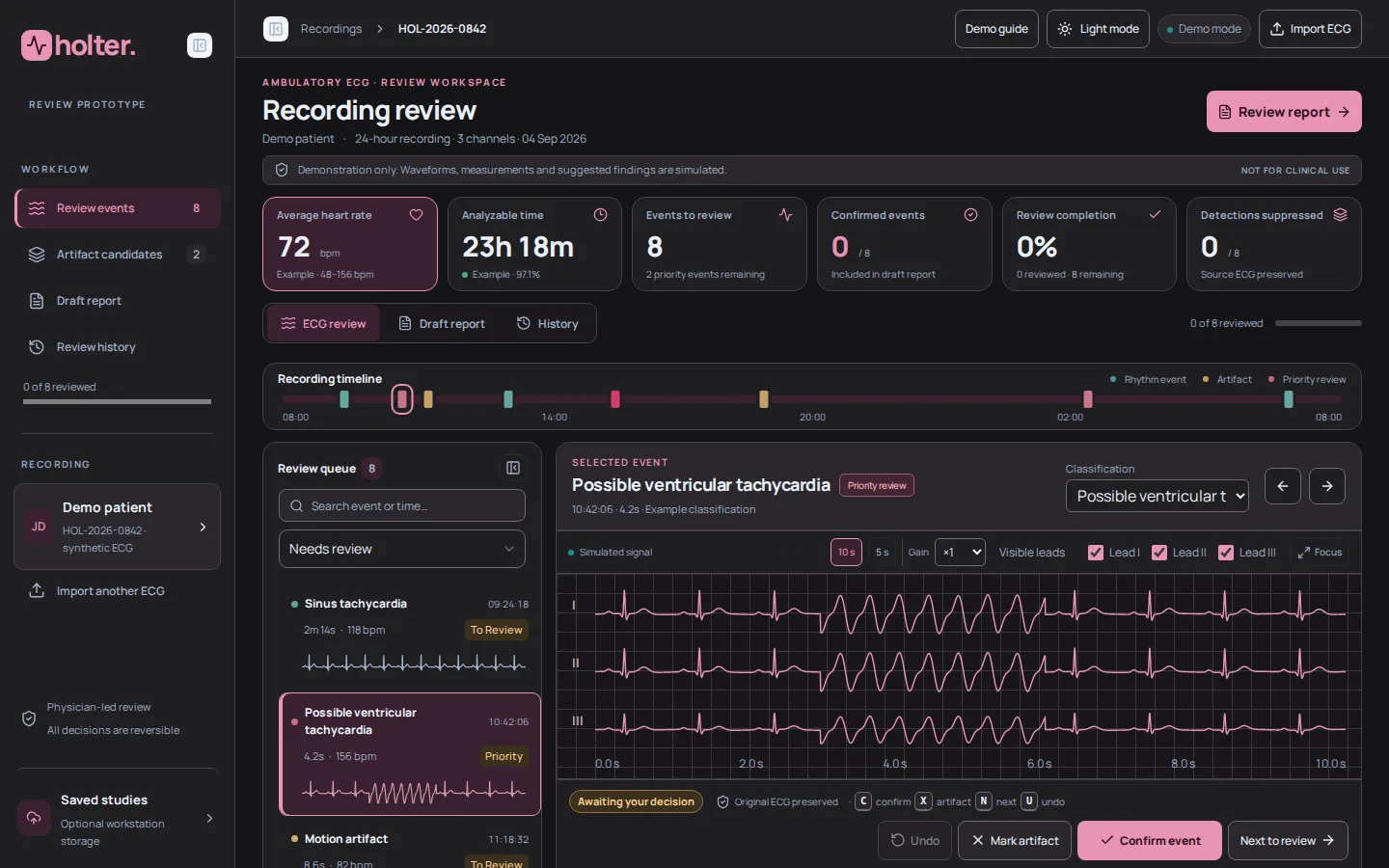
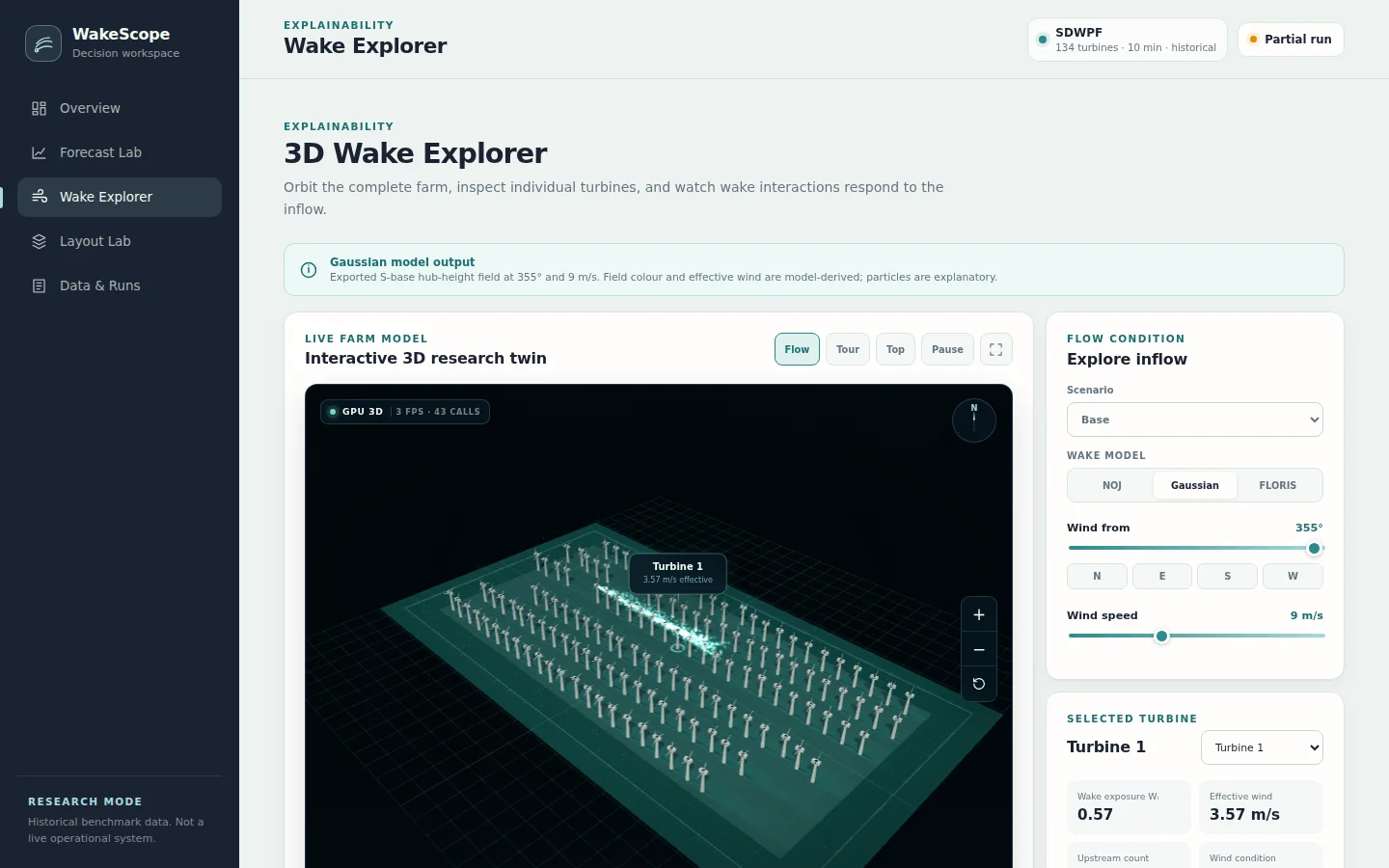
For recruiters and hiring managers

The short version of what I do, what I have shipped, and how to move to a conversation.
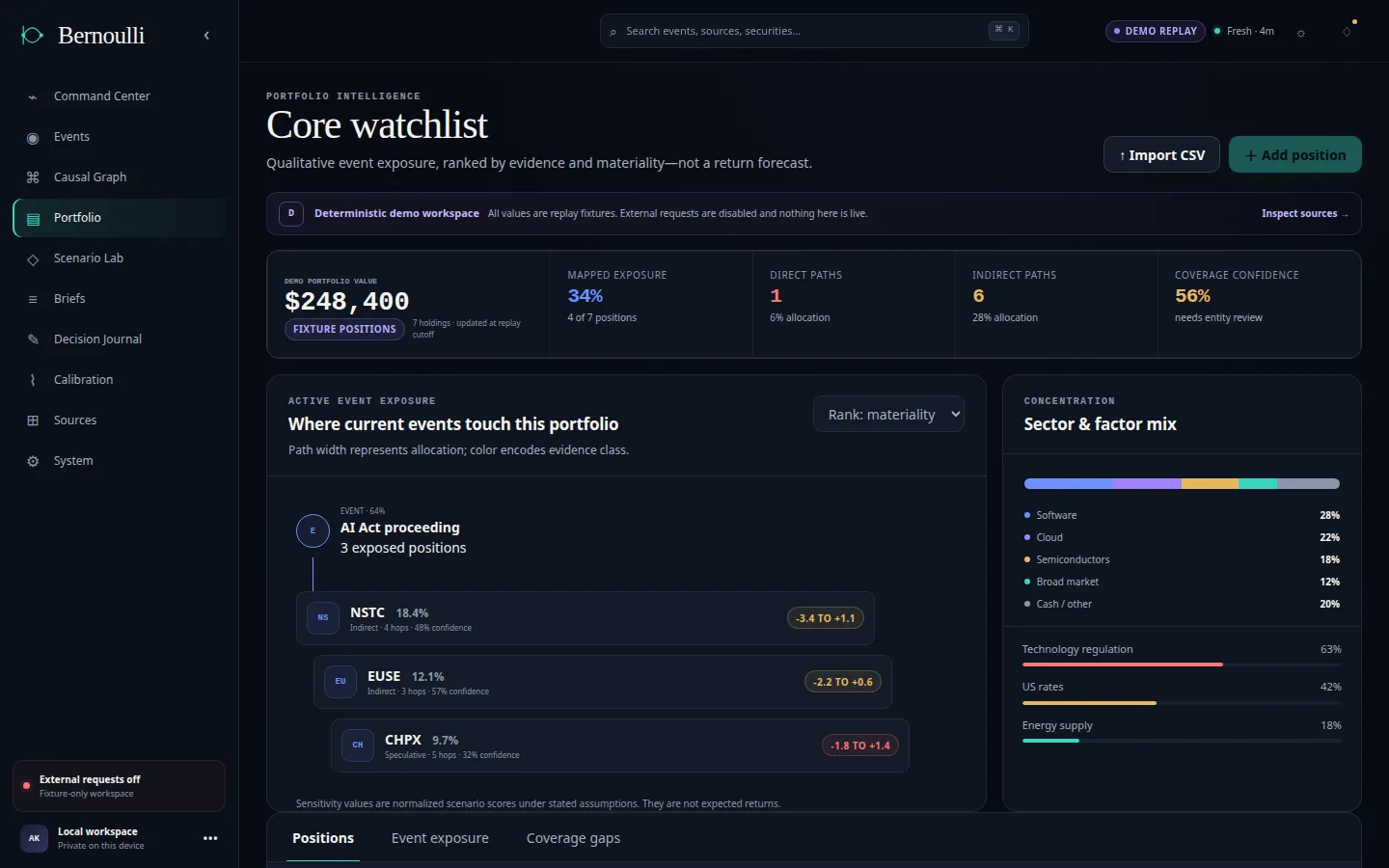
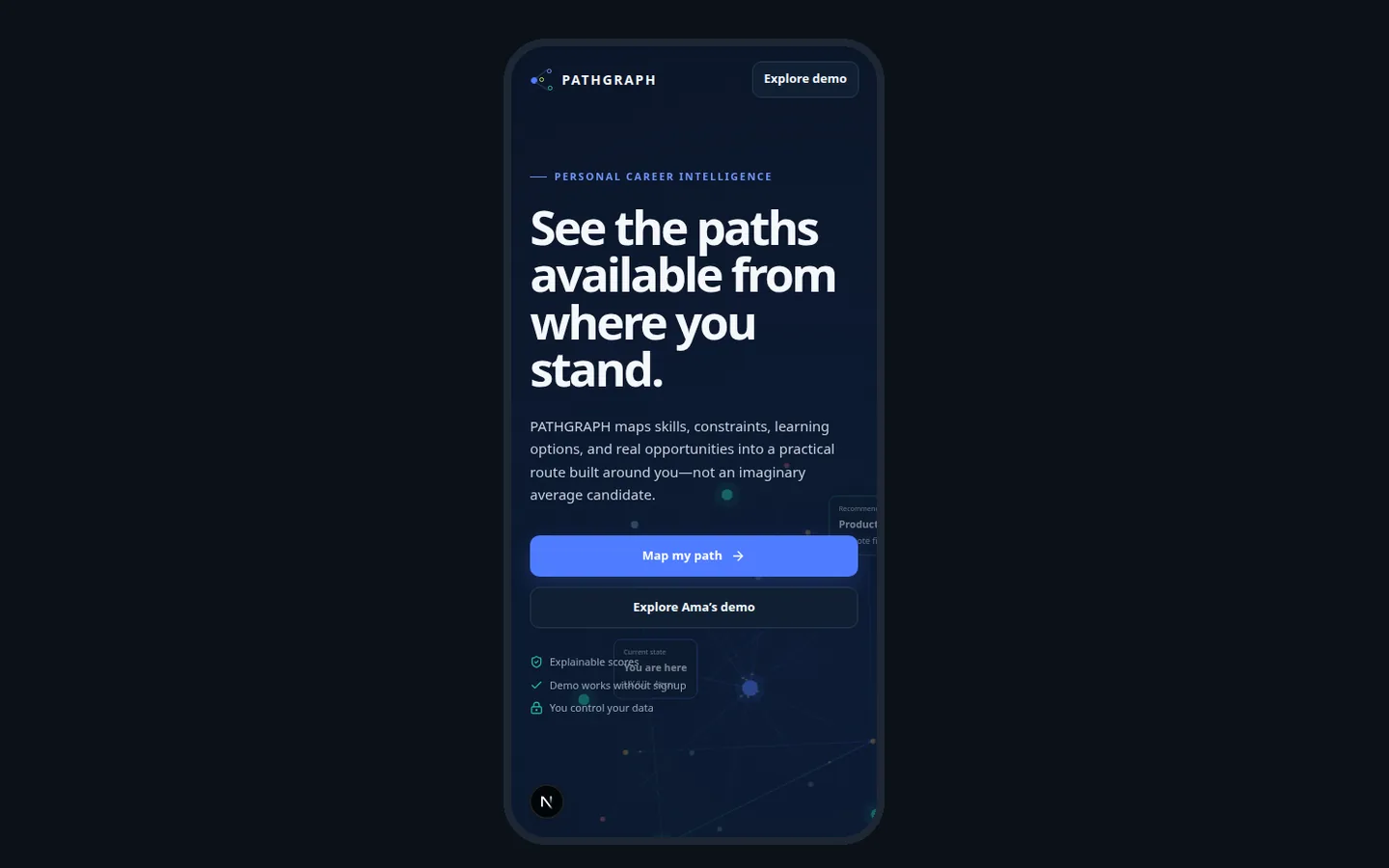
What roles fit?
AI/ML engineer, applied AI engineer, or AI product engineer on a team that ships. Remote, full-time or contract, overlapping EU and US East hours from Skopje. Available now.
What have you shipped?
Thirty-one working systems, every one with real screens on this page: a parking control tower with a 3D digital twin, a clinician's ECG review workstation, a wind-farm research pipeline, event and sourcing intelligence workspaces, a GitHub review app, consent-first health apps, a studio hub with an evidence graph, five playable games and more. Two are public products: MakedonskaDrzava.com, a Macedonian digital library with a retrieval-grounded assistant over about 300 books, and Mailathon, a brand-aware email platform verified by a knowledge graph. For an employer, Umanitek, I built the collection layer behind a threat-intelligence graph, scaled it to 113 sources, and designed a three-stage LLM pipeline projected to cut model cost by about four times. For a client, Fairbeat, I was lead committer on a live Next.js music marketplace.
What are you strongest at?
Three things. LLM systems that verify before they act: Mailathon, DealRadar, Reviewer Brief. Knowledge graphs and retrieval that can cite their sources: MakedonskaDrzava, Bernoulli, GameForge Hub. Operational tools for people who cannot afford a wrong answer: AirGo for a parking operator, Holter for ECG review.
How do you work?
Working slice first, then evidence, then expansion. Typed contracts at every boundary, tests and audit trails from the first commit, written decisions instead of meetings. English C1, German basic, French, Macedonian native.
Can I see code or a demo?
Yes. Open the two live products now; Mailathon has a demo account. Most other repositories are private: email me the project name and you have read access within a day. I am glad to do a 30-minute walkthrough of any system on this page.
What should I read first?
The five blocks under Selected work, then the skills matrix. Each project block ends with a plain statement of what is still missing, so you can judge maturity without asking.

About

My background is in Computer Science and Engineering at Ss. Cyril and Methodius University in Skopje. My thesis research is on wake-aware wind power forecasting. I worked as an AI engineer at Uniper Renewables in Düsseldorf on a German governmental scholarship. Most recently I was an AI and knowledge-graph engineer for a Swiss digital-identity company, where I built the collection layer and the LLM pipeline behind a threat-intelligence graph.

In between, I build products: a Macedonian digital library with grounded retrieval, a control tower for a parking operator, a brand-aware email platform, and an ECG review workstation. I am looking for remote AI/ML engineering or AI product roles where the domain is hard and the system has to be trusted.

  • 2026AI and decentralized knowledge graph engineer, Umanitek, Zug (remote)
  • 2025 to nowCo-founder, MakedonskaDrzava.com; founder, Mailathon
  • 2024AI engineering intern, Uniper Renewables, Düsseldorf; HEC Paris accelerator with biox-ai
  • 2023Machine learning intern, Macedonian Academy of Sciences and Arts; data engineering intern, Loka
  • 2022Data analysis intern, A1 Telekom Austria
  • 2021 to 2022Web development intern, Sols; open-source contributor, solaris.games
Techstars Startup Weekend winner, 2024ADAC Automotive Challenge, 2nd place, 2024Primatijada 2023 silver medal, informatics paperCIIT 2023 and 2018 publicationsTUM.AI hackathon, medical trackCambridge CAE English, German basic, French